
Algarve Cataplana and Coastal Seafood Cooking
The hinged copper cataplana pan gives its name to the Algarve's most characteristic seafood stews. Here is how the pan works, what goes into it and why it matters to coastal cooking in southern Portugal.
The cataplana is a hinged metal pan shaped like a large clam shell, and it lends its name to the seafood stews that have become one of the most recognisable dishes of the Algarve. In a region where working fishing ports sit a short walk from the kitchen, the pan and the cooking it produces belong together: both exist to keep the flavour of the Atlantic sealed inside.
A Pan Built Like a Shell
Traditional cataplana pans are made of beaten copper, sometimes lined with tin, and joined along one edge by a sturdy hinge. A small clasp on the opposite side holds the two halves shut during cooking. The lower half forms a shallow bowl, while the upper half is domed so that steam rises, condenses on the cooler metal and falls back onto the food. The result is a closed, humid environment in which fish and shellfish cook gently in their own juices.
Copper was preferred because it spreads heat evenly and responds quickly to changes in temperature. In contemporary kitchens aluminium and stainless steel versions are common, often with a copper base or a hammered exterior, but the shape remains the same. Because the pan can be used on a hob, over charcoal or, historically, over an open fire, it suited the flexible cooking arrangements of coastal households. Its metal handles allow it to be lifted without difficulty, and the whole vessel can be carried to the table still closed.
How a Cataplana is Cooked
Preparation is usually a matter of layering rather than stirring. Sliced onion, garlic, tomato, peppers and a bay leaf go into the bottom half, often with a little chouriço for depth. The seafood is arranged on top, seasoned with salt, olive oil, coriander and a splash of white wine or water, and the lid is clamped down. The pan is then set over moderate heat.
As the contents warm, steam builds and the pressure inside rises slightly, which is why the clasp matters. Cooks tend to shake the pan gently rather than open it, since breaking the seal releases the trapped aroma and slows the cooking. The dish is brought to the table closed and opened at the moment of serving, so that the first thing guests notice is the fragrant cloud that escapes. This small piece of theatre is part of the appeal of the cataplana as a shared meal.
Ingredients from the Algarve Coast
The Algarve's shoreline offers an unusually wide range of produce for a single pan. The sheltered channels and sandbanks of the Ria Formosa supply clams, razor clams and cockles, while the open Atlantic provides prawns, crab, octopus, cuttlefish, monkfish, sea bass and gilt-head bream. Sardines, long central to coastal cooking, are more often grilled than stewed, but they illustrate the same principle of simplicity and freshness.
Supporting ingredients are equally local in character. Algarve salt pans have produced sea salt for centuries, and the region's olive oil, coriander, sweet peppers, tomatoes, onions and garlic form the aromatic base of most stews. A little white wine adds acidity, and piri-piri is sometimes included for warmth rather than heat.
Variations Along the Coast
The most familiar version is cataplana de marisco, a mixed shellfish stew that may include clams, prawns and crab. Cataplana de amêijoas concentrates on clams alone, while cataplana de peixe uses firm white fish. Octopus appears in its own variation, and some recipes combine pork with clams, a pairing that reflects the meeting of inland farming and coastal fishing.
Related dishes show the same approach to the sea. Arroz de marisco turns the same ingredients into a soupy rice, caldeirada is a slower mixed fish stew, feijoada de búzios uses whelks with beans, and xarém com amêijoas sets clams into a cornmeal porridge. Alongside these sit marinated mackerel and air-dried tuna, preserved foods that grew out of the practical need to keep a catch usable for longer.
The Pan in Algarve Food Culture
In Algarve homes the cataplana is associated with gatherings: family lunches, summer evenings and local festivities where one vessel feeds several people. Because it arrives at the table covered, it encourages conversation and a shared style of eating. Hammered copper pans are still sold in markets and craft workshops, and many kitchens display one on a wall when it is not in use.
The pan therefore functions as both a tool and a symbol. It is a practical piece of equipment designed for a specific coastline, and at the same time a reminder of how closely cooking in the Algarve follows the rhythm of the tides.
Related content
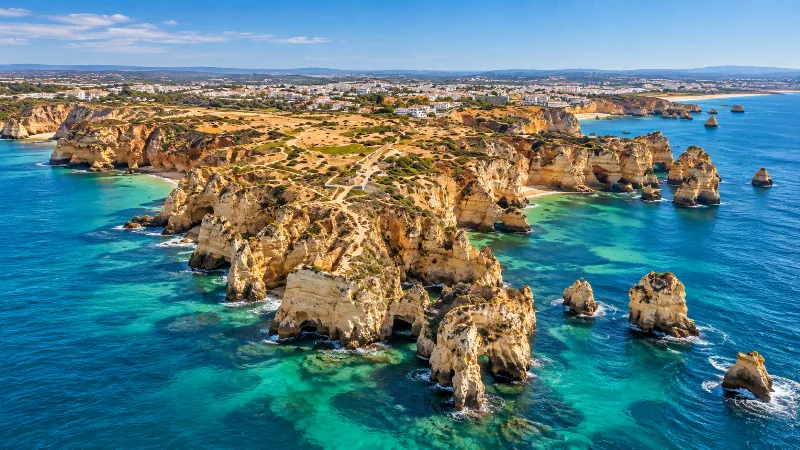
Algarve
Explore the Algarve through sandy beaches, limestone cliffs, Faro, Ria Formosa, coastal trails, historic towns and southern Portuguese landscapes.
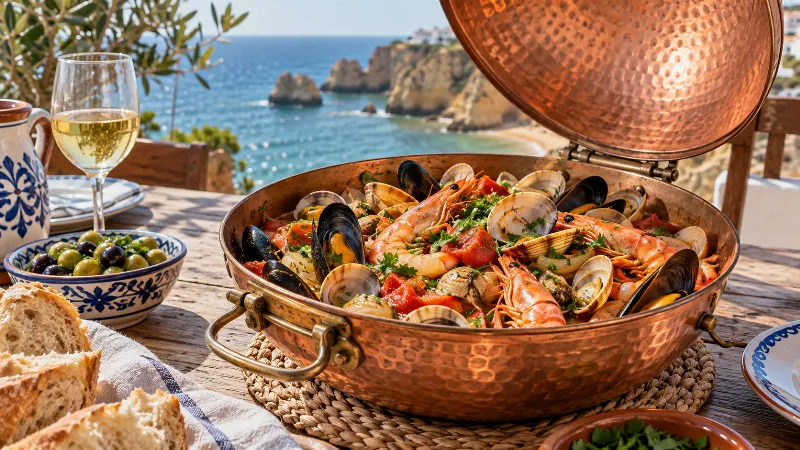
Cataplana
Learn how the Algarve’s distinctive hinged cooking vessel gives its name to a varied family of fish, seafood and other dishes.
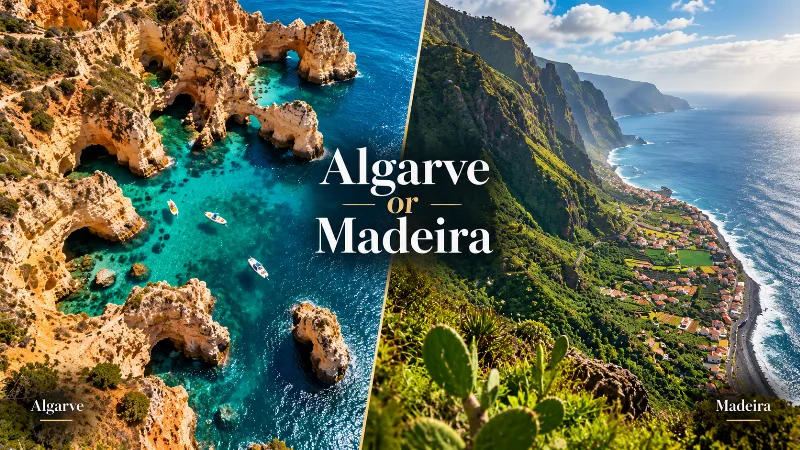
Algarve or Madeira: Which Is Better for Your Trip?
The Algarve and Madeira both offer warm-weather escapes, but they differ greatly in beaches, scenery, hiking, driving, towns and overall travel style.
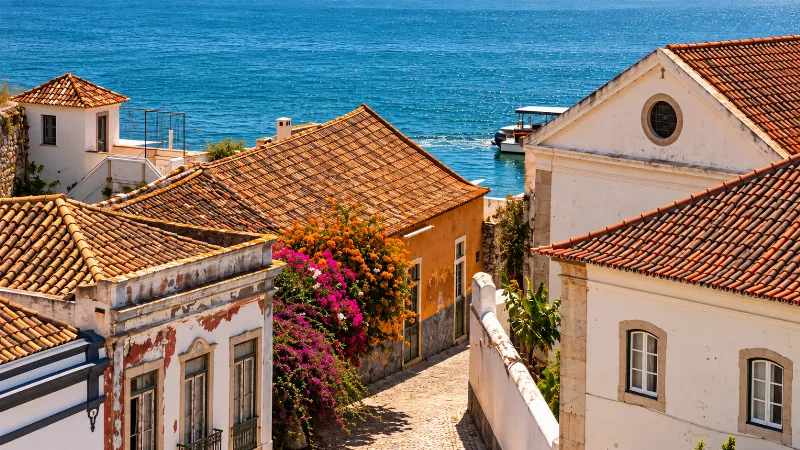
Faro
Faro is the Algarve’s regional capital, combining a walled old town, historic architecture and direct access to the Ria Formosa lagoon.
Portugal for First-Time Visitors: What to Know Before You Go
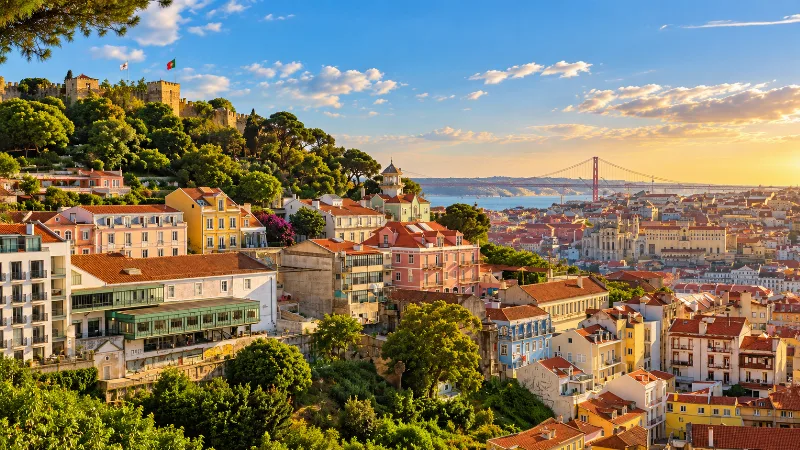
A practical first-trip guide to Portugal covering cities, transport, weather, walking, food, beaches, timing and common itinerary mistakes.
Tavira
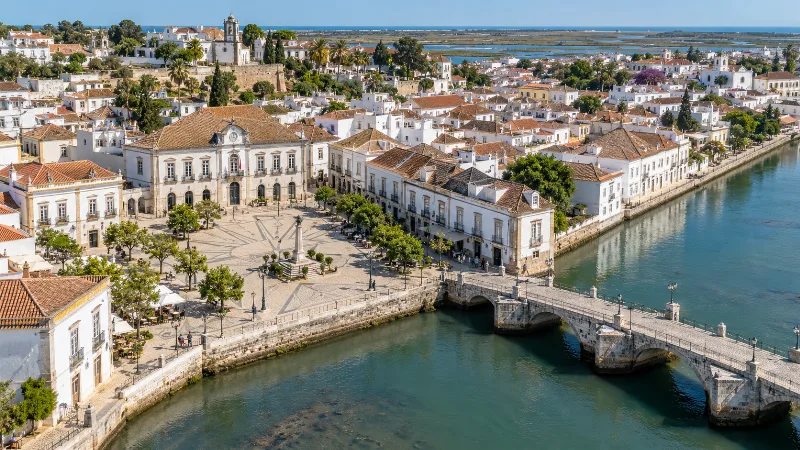
A historic town on the River Gilão in Portugal's eastern Algarve, shaped by a long maritime past, a skyline of church towers and the salt marshes of the Ria Formosa.
Tavira
Tavira is an eastern Algarve town with whitewashed streets, riverside squares, historic churches and access to the island beaches of Ria Formosa.