
Berlengas Archipelago Cliffs and Fortress
The Berlengas archipelago off Peniche combines granite cliffs, important seabird colonies and the historic Fortress of São João Baptista in a protected Atlantic setting.
The Berlengas archipelago rises from the Atlantic Ocean roughly ten kilometres off the coast of Peniche, in central Portugal. Its largest island, Berlenga Grande, is known for steep granite cliffs, clear water and a historic fortress that has guarded the approaches to the mainland for centuries. The islands form a protected nature reserve, and their isolation gives them a character quite different from the country's sandy coastal resorts.
The Berlengas: A Granite Archipelago in the Atlantic
The Berlengas are not a single island but a small group of granite islands and rocky islets, divided into three main clusters: Berlenga Grande, the Estelas and the Farilhões. Granite gives the archipelago its pale, weathered appearance, and centuries of wind and salt spray have carved ledges, crevices and narrow inlets along the coast. Human presence is limited, and the islands are valued chiefly for their natural environment rather than for built development. The crossing from the mainland is short in distance but exposes travellers to the open Atlantic, where conditions can change quickly and the sea itself is part of the experience.
Rugged Cliffs and Seabird Colonies
The cliffs are the defining feature of the Berlengas. On Berlenga Grande they rise abruptly from the water, forming high walls of rock that shelter the island's interior and create dramatic viewpoints along its paths. These ledges and fissures provide nesting places for seabirds, and the archipelago is recognised as an important site for species such as Cory's shearwater and yellow-legged gulls. Visiting during the breeding season calls for particular care, since disturbances near nests can affect young birds.
Vegetation on the islands is low and resilient, adapted to thin soil, strong winds and salt. Spring brings patches of colour among the rocks, while the surrounding marine environment supports a rich variety of life. Sea caves, natural arches and clear shallows can be seen from the water, and boat trips around the island offer a different perspective on the cliffs than the land paths do.
The Fortress of São João Baptista
On a small rocky outcrop beside Berlenga Grande stands the Fortress of São João Baptista, the archipelago's most striking historic structure. Its walls appear to grow out of the granite, and the position was chosen to watch over the sea routes near Peniche. The fortress dates from the period when coastal defences were strengthened against pirates and privateers, and it has been repaired and altered over the centuries. Today it is recognised as a national monument and forms a distinctive silhouette against the Atlantic.
The fort is reached by a narrow causeway from the main island, and its compact interior includes a chapel and sheltered courtyards. Its story reflects the wider history of Portugal's Atlantic coast, where isolated rocks and headlands were fortified to protect shipping and coastal communities. The nearby lighthouse on Berlenga Grande adds another landmark to the island's skyline.
Experiencing the Island's Natural Character
Berlenga Grande is small enough to explore on foot, with paths leading to viewpoints, the lighthouse and the fortress. The island's sheltered cove provides a place to appreciate the clear water, while the cliffs above reward walkers with views back towards the mainland. Visitors are asked to respect the nature reserve by keeping to established paths, avoiding nesting areas and taking litter away. The appeal of the Berlengas lies in this combination of granite scenery, wildlife and a sense of remoteness that remains close to the Portuguese coast.
Related content

São João
São João is Porto’s major midsummer celebration, filling the city with street gatherings, music, decorations, food, fireworks and long-standing local traditions.
Portugal's Most Impressive Fortresses
Explore portugal's most impressive fortresses with a practical guide to notable places, regional landscapes, local heritage and travel planning in Portugal
Exploring the Historic Village of Almeida
Explore exploring the historic village of almeida with a practical guide to notable places, regional landscapes, local heritage and travel planning in Port
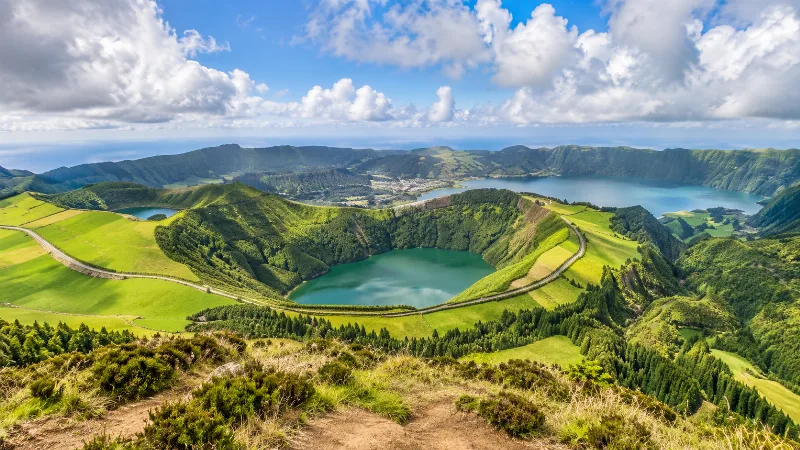
Azores
Discover the Azores through volcanic islands, crater lakes, green landscapes, Atlantic coastlines, hiking, wildlife and distinctive island communities.
Discovering the Cliffs of the Algarve
Explore discovering the cliffs of the algarve with a practical guide to notable places, regional landscapes, local heritage and travel planning in Portugal
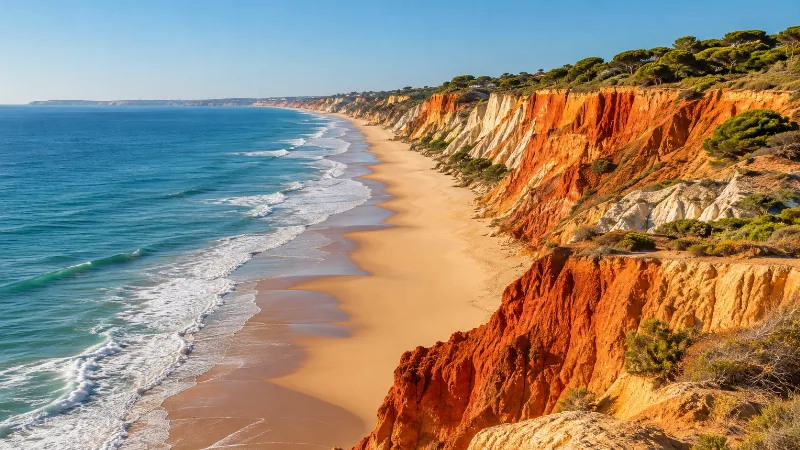
Praia da Falésia – Red Cliffs and Expansive Sandy Shores
Praia da Falésia is an Algarve beach known for its long sands and striking red and ochre cliff formations.
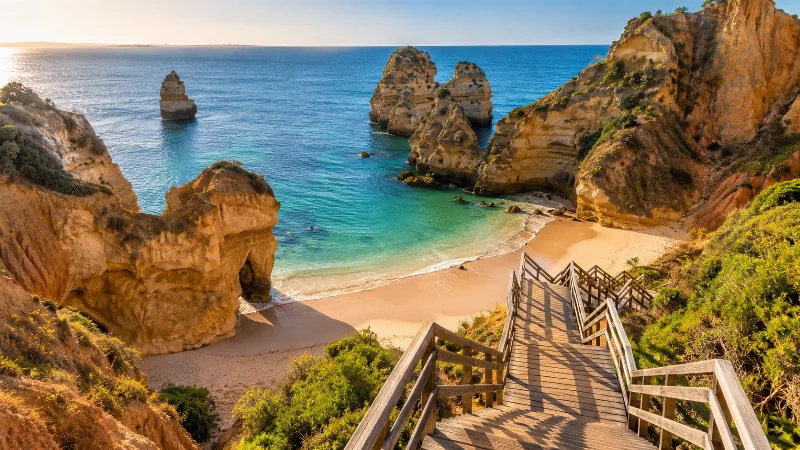
Praia do Camilo – Golden Cliffs and Turquoise Waters
Praia do Camilo is a compact beach at Lagos, framed by sculpted cliffs and reached by a long wooden stairway.
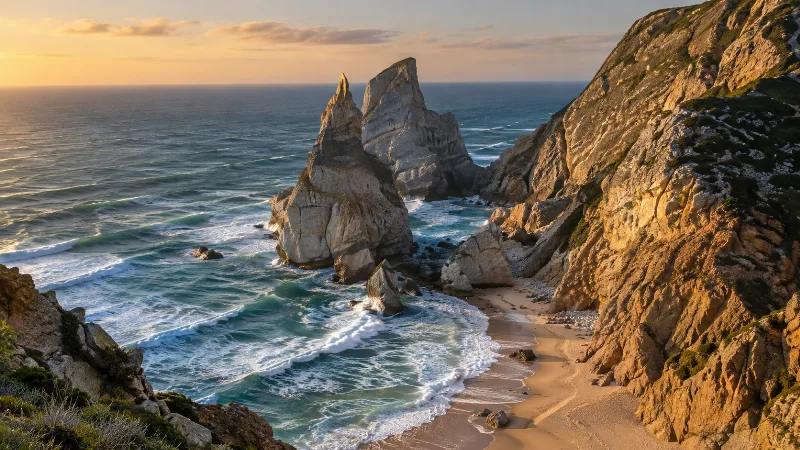
Praia da Ursa – A Wild Beach Beneath Atlantic Cliffs
Praia da Ursa is a striking undeveloped beach near Cabo da Roca, recognised for its sea stacks and demanding approach.