Best Regions to Visit in Portugal
Discover Portugal's most popular travel regions, from the historic cities of Lisbon and Porto to the beaches of Algarve, the countryside of Alentejo and the Atlantic islands.
Portugal is one of Europe's most geographically diverse travel destinations, combining Atlantic coastlines, historic cities, mountain landscapes, traditional villages and island environments. Each region has its own architectural heritage, cultural traditions, natural attractions and distinctive travel experiences.
From the historic streets of Lisbon and Porto to the beaches of the Algarve and the volcanic landscapes of the Azores, Portugal offers a wide variety of destinations for urban exploration, coastal holidays, nature tourism and cultural travel.
Lisbon and the Surrounding Region
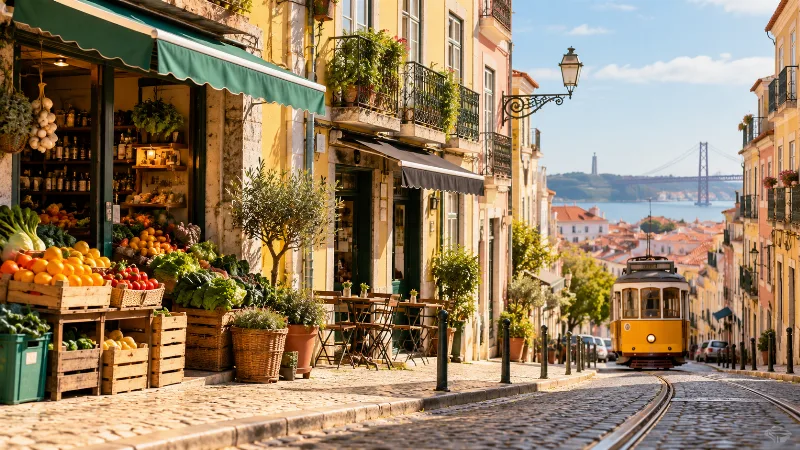
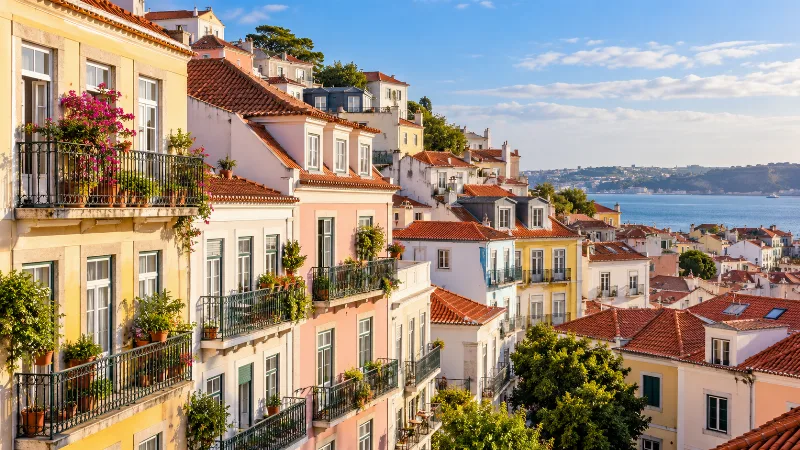
Lisbon, the capital of Portugal, is one of the country's principal tourism destinations. The city is known for its historic neighbourhoods, traditional architecture, museums, viewpoints and location along the Tagus River.
Areas such as Alfama, Baixa, Chiado and Belém reflect different periods of Lisbon's architectural and cultural development. Historic trams, waterfront promenades and public squares contribute to the city's distinctive urban landscape.
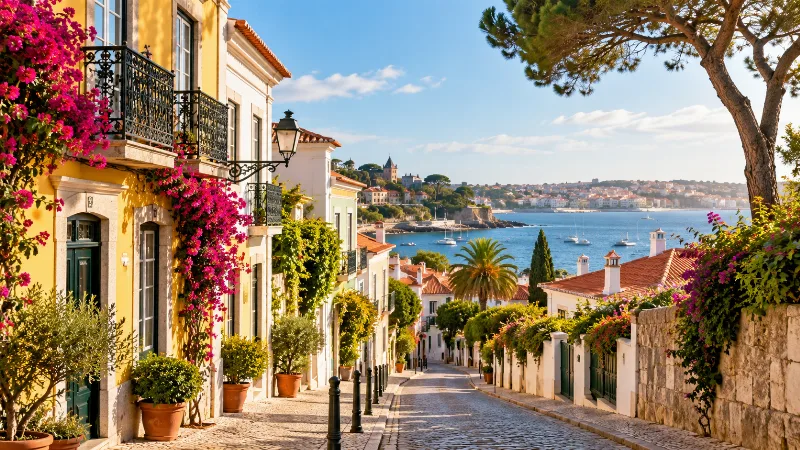
Beyond the capital, nearby destinations including Sintra, Cascais and Estoril provide access to palaces, coastal scenery, beaches and historic settlements.
Porto and Northern Portugal
Porto is an important cultural and economic centre in northern Portugal. Situated along the Douro River, the city is recognised for its historic centre, traditional buildings, bridges and longstanding connection with port wine production.
The Ribeira district, Dom Luís I Bridge and the riverfront areas of Porto are among the city's best-known landmarks.
The wider northern region includes Braga, Guimarães, Viana do Castelo and the Douro Valley. The Douro Valley is particularly recognised for its terraced vineyards, river landscapes and winemaking traditions.
Northern Portugal also includes mountainous areas and protected natural environments, including Peneda-Gerês National Park.
Central Portugal and Historic Destinations
Central Portugal brings together historic university cities, mountain landscapes, coastal settlements and traditional villages.
Coimbra is known for its historic university and cultural heritage. Aveiro features canals, distinctive boats and architecture associated with its coastal environment.
The Serra da Estrela mountain range forms one of mainland Portugal's most prominent natural landscapes, with mountain villages, hiking areas and seasonal changes in scenery.
Other destinations, including Óbidos, Tomar, Batalha and Alcobaça, are associated with medieval history, religious architecture and significant cultural monuments.
Algarve and Southern Portugal
The Algarve occupies the southern part of mainland Portugal and is internationally recognised for its beaches, coastal cliffs, seaside towns and Mediterranean-influenced climate.
Popular coastal destinations include Lagos, Albufeira, Portimão, Tavira and Faro. The region contains sandy beaches, rocky formations, sheltered coves and extensive coastal walking areas.
The Ria Formosa Natural Park is an important coastal lagoon system, characterised by barrier islands, wetlands and diverse habitats.
Inland Algarve presents a different landscape, with traditional villages, agricultural areas and low mountain ranges.
Alentejo and Rural Portugal
Alentejo is characterised by extensive rural landscapes, agricultural plains, cork oak woodlands and historic towns.
Évora is one of the region's principal cultural destinations, recognised for its preserved historic centre and monuments reflecting different periods of Portuguese history.
Other settlements, including Monsaraz, Marvão, Elvas and Beja, feature historic architecture, defensive walls and traditional urban environments.
The Alentejo coastline includes beaches, cliffs and sections of protected natural landscapes along the Atlantic Ocean.
The region is also associated with traditional cuisine, olive cultivation, wine production and longstanding agricultural practices.
Madeira and Atlantic Island Landscapes
Madeira is a Portuguese autonomous region in the Atlantic Ocean, known for its mountainous terrain, subtropical vegetation, dramatic coastal landscapes and extensive walking routes.
Funchal, the regional capital, serves as the main urban centre and offers historic streets, gardens, museums and waterfront areas.
The island's levadas, traditional irrigation channels accompanied by walking paths in many locations, are an important feature of its landscape and hiking infrastructure.
Other notable natural environments include Laurisilva forest, volcanic mountain formations and coastal viewpoints.
The Madeira archipelago also includes Porto Santo, an island recognised for its long sandy beach.
The Azores and Volcanic Nature
The Azores are an autonomous Portuguese archipelago consisting of nine main islands in the North Atlantic Ocean.
The islands are characterised by volcanic formations, crater lakes, geothermal features, green landscapes and coastal environments.
São Miguel is known for destinations such as Sete Cidades, Lagoa do Fogo and Furnas. Pico Island is recognised for Mount Pico, Portugal's highest mountain, and its distinctive volcanic landscape.
Other islands, including Terceira, Faial, São Jorge and Flores, offer different combinations of historic settlements, natural scenery and outdoor activities.
The Azores are particularly associated with hiking, marine wildlife observation and nature-oriented tourism.
Travel Planning Across Portugal
Travel conditions vary considerably between Portugal's mainland regions and Atlantic islands.
Lisbon and Porto have extensive urban transport networks, while regional trains, buses and roads connect many mainland destinations.
The Algarve and Alentejo can be explored through a combination of public transportation and road travel, depending on the selected locations.
Madeira and the Azores require separate consideration of air connections, local transportation and, in the Azores, inter-island travel arrangements.
Seasonal weather, regional geography and travel distances are important factors when organising itineraries across different parts of Portugal.
Portugal Travel Guides and Regional Information
PortugalGuide.net is an independent English-language travel information platform covering Portugal's cities, regions, coastal destinations, cultural heritage and natural landscapes.
The website publishes informational guides about regional attractions, beaches, historic places, local traditions, travel routes and practical journey planning.
Its content provides a reference for exploring the geographical and cultural diversity of mainland Portugal, Madeira and the Azores.