
Best Time to Visit Portugal: A Month-by-Month Guide
Understand seasonal weather and travel conditions across Portugal before choosing dates.
Understand seasonal weather and travel conditions across Portugal before choosing dates. This guide focuses on practical choices that help visitors explore Portugal at a sensible pace, while accounting for the differences between cities, regions and seasons.
Why one forecast cannot describe Portugal
Portugal spans Atlantic coastlines, mountains, inland plains and islands, so the best travel period depends on the route. The north is generally wetter than the southern mainland, inland areas can be hotter in summer, and mountain conditions differ from coastal temperatures. Madeira has its own microclimates while the Azores often experience rapid changes in cloud and rain. Check local forecasts near departure instead of relying on a single countrywide weather summary.
January to March
Winter brings cooler weather and a higher likelihood of rain in many mainland areas, especially in the north. City visits can be pleasant with flexible indoor alternatives and suitable waterproof layers. Higher elevations may experience winter conditions, making hiking more demanding. As spring approaches, landscapes grow greener and daylight increases. Coastal walks remain possible on suitable days, but Atlantic wind and surf are factors even when skies appear clear.
April to June
Spring and early summer are appealing for walking, gardens, rural scenery and historic towns. Temperatures tend to become more comfortable for longer days outdoors, though occasional rain remains possible. May and June can support a varied itinerary linking cities with countryside without the peak heat of midsummer in many inland locations. Daylight extends sightseeing options, but visitors should still carry sun protection and water on exposed routes.
July to September
Summer is associated with long days and beach travel, particularly in the Algarve and along other coastal stretches. Inland cities and plains may see intense heat, so early starts and shaded breaks make sightseeing easier. Popular seaside destinations can be busy during holiday periods. September can provide warm conditions with a change in visitor patterns, but conditions vary by place and year. Ocean water temperature and wave strength differ greatly between the Atlantic west coast and more sheltered southern areas.
October to December
Autumn can work well for cultural trips, scenic drives and countryside visits, with an increasing chance of rain as the season advances. Fewer daylight hours call for realistic travel plans, especially in rural areas. Winter festivals, local traditions and city museums create options when outdoor weather is unsettled. Match your dates to an activity: choose calmer hiking windows where possible, verify seasonal access and leave room for the unexpected.
Practical planning checks
Before departure, compare your intended route with current official information for the places involved. Check opening arrangements for cultural sites, route notices for natural areas, and the applicable transport timetables for the exact travel date. The same plan can work differently in a busy summer weekend, a rainy winter weekday or a public holiday. Keep essential addresses and connections available offline, allow space for an alternative activity and adjust the schedule when local conditions differ from expectations. For best time to visit portugal: a month-by-month guide, reliable local information and a realistic daily pace are more useful than trying to follow a rigid checklist.
Related content
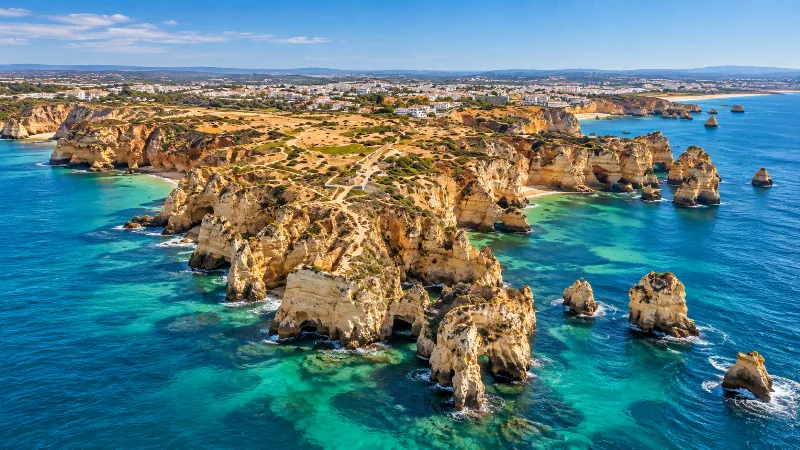
Algarve
Explore the Algarve through sandy beaches, limestone cliffs, Faro, Ria Formosa, coastal trails, historic towns and southern Portuguese landscapes.

Algarve or Madeira: Which Is Better for Your Trip?
The Algarve and Madeira both offer warm-weather escapes, but they differ greatly in beaches, scenery, hiking, driving, towns and overall travel style.
Hidden Beaches Along the Algarve Coast
Explore hidden beaches along the algarve coast with a practical guide to notable places, regional landscapes, local heritage and travel planning in Portuga
Best Places to Visit in the Algarve
Explore best places to visit in the algarve with a practical guide to notable places, regional landscapes, local heritage and travel planning in Portugal.
Discovering the Cliffs of the Algarve
Explore discovering the cliffs of the algarve with a practical guide to notable places, regional landscapes, local heritage and travel planning in Portugal
Best Places to Visit in Eastern Algarve
Explore best places to visit in eastern algarve with a practical guide to notable places, regional landscapes, local heritage and travel planning in Portug