
How Many Days Do You Need to Explore Portugal?
Match the length of your Portugal trip to the places and experiences you value most.
Match the length of your Portugal trip to the places and experiences you value most. This guide focuses on practical choices that help visitors explore Portugal at a sensible pace, while accounting for the differences between cities, regions and seasons.
Start with distance, not a checklist
Portugal looks compact on a map, yet its different landscapes reward unhurried travel. Lisbon and Porto both merit time to explore their historic neighborhoods, riverfronts and viewpoints on foot. Adding the Algarve, inland Alentejo or northern mountains changes the character of the journey and increases travel time. Consider the hours spent checking out, changing stations and finding the next accommodation. A short itinerary works best when concentrated in one area rather than divided among widely separated destinations.
A long weekend or four days
With three or four days, make one city your base. Lisbon offers hills, the Tagus waterfront, historic quarters and access to nearby Sintra or Cascais. Porto offers its river setting, historic streets and opportunities to discover the Douro landscape. Treat a day trip as a choice, not an obligation; a packed schedule can leave little time to enjoy the place itself. Walking time matters because steep streets and cobblestones often make a short distance slower than expected.
A week across two areas
Seven days can accommodate two main bases, such as Lisbon and Porto, with a reasonable transfer between them. Another option is a Lisbon-focused stay followed by time on the coast or in Alentejo. Keeping the number of hotel moves low allows for more meaningful visits. Reserve flexible intervals for markets, viewpoints and parks without fixed entry slots. If traveling with children or anyone who prefers a relaxed pace, limit the number of major sights planned for each day.
Ten days or longer
Ten days gives greater scope to combine cities with a distinct region such as the Douro Valley or Algarve. Two weeks can support a wider north-to-south itinerary, though it is still wise to pick priorities. Madeira and the Azores are separate island destinations requiring additional flights and weather planning; adding them is not simply another short mainland excursion. Allow a buffer around connections and outdoor activities where conditions can change.
Build in breathing room
A practical itinerary alternates days of intensive sightseeing with lighter exploration. Research which sites need advance entry planning and which are easy to visit spontaneously. In summer, midday heat may favor museums or shaded places, while coastal weather can be windy even when the city is warm. An itinerary is useful when it helps make choices, not when it tries to include every landmark. Quality of time on the ground matters more than the number of locations visited.
Practical planning checks
Before departure, compare your intended route with current official information for the places involved. Check opening arrangements for cultural sites, route notices for natural areas, and the applicable transport timetables for the exact travel date. The same plan can work differently in a busy summer weekend, a rainy winter weekday or a public holiday. Keep essential addresses and connections available offline, allow space for an alternative activity and adjust the schedule when local conditions differ from expectations. For how many days do you need to explore portugal, reliable local information and a realistic daily pace are more useful than trying to follow a rigid checklist.
Related content
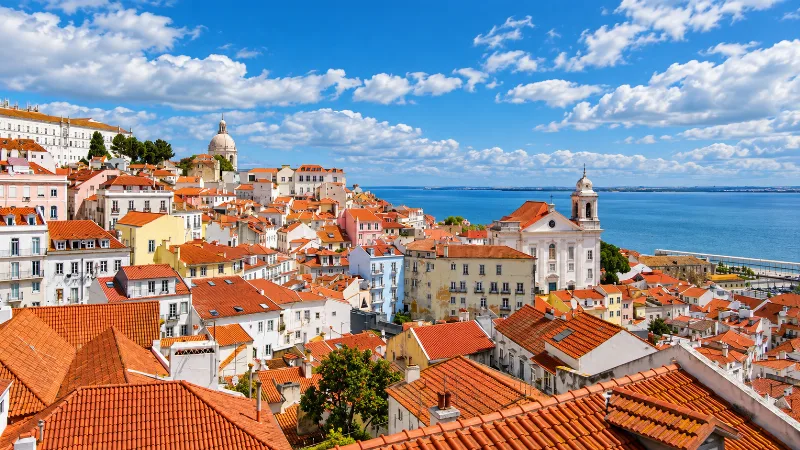
Lisbon
Portugal’s capital combines historic neighbourhoods, river views, tiled façades, viewpoints and an energetic everyday city life.
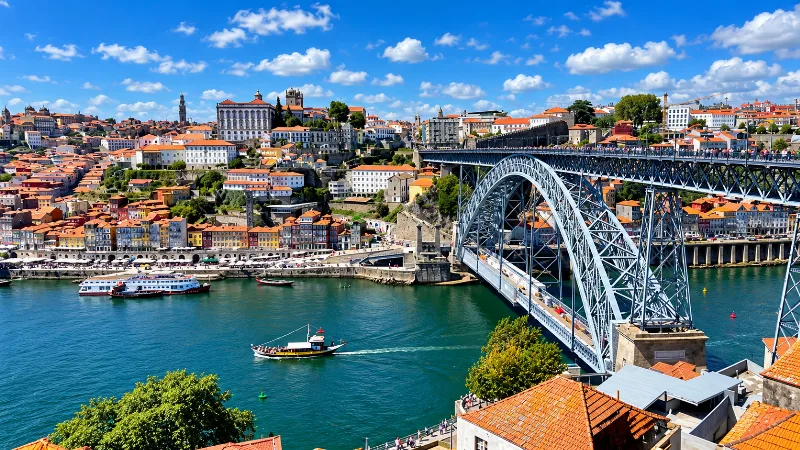
Porto
Porto is a compact northern city of steep streets, granite architecture, riverfront views, historic districts and strong local character.
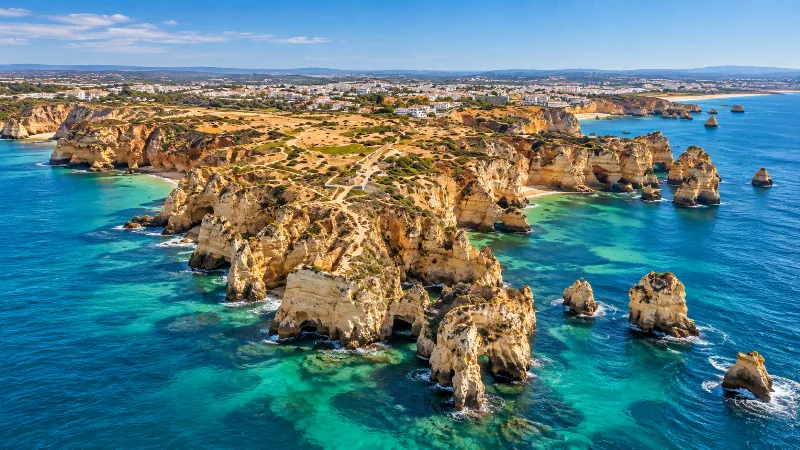
Algarve
Explore the Algarve through sandy beaches, limestone cliffs, Faro, Ria Formosa, coastal trails, historic towns and southern Portuguese landscapes.
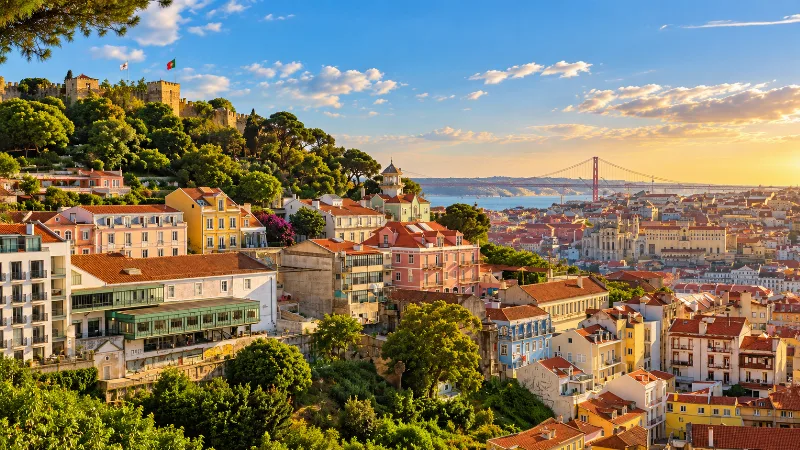
Portugal for First-Time Visitors: What to Know Before You Go
A practical first-trip guide to Portugal covering cities, transport, weather, walking, food, beaches, timing and common itinerary mistakes.
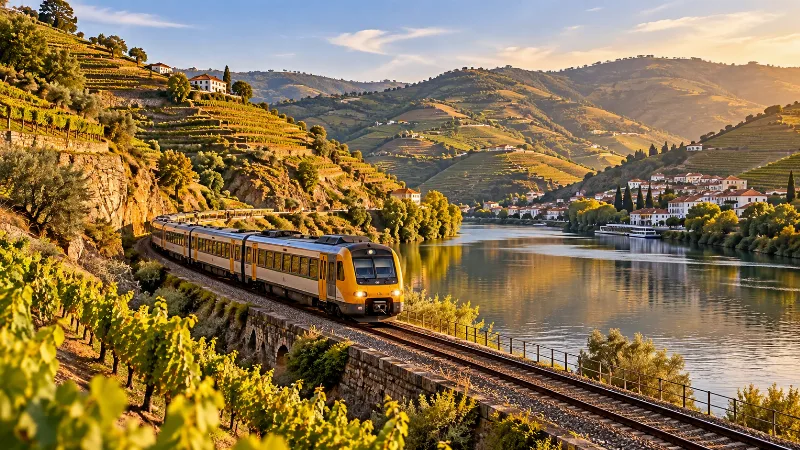
Portugal by Train
Portugal’s rail network connects many major cities and provides a comfortable way to travel between Lisbon, Porto, Coimbra, Braga, Aveiro and the Algarve.

Is Portugal Expensive to Visit?
Portugal can suit different travel budgets, but accommodation, season, city choice, transport and dining habits have a much bigger impact than national averages.