
How to Avoid Common Tourist Mistakes in Portugal
Avoid preventable planning errors involving transport, weather and sightseeing.
Avoid preventable planning errors involving transport, weather and sightseeing. This guide focuses on practical choices that help visitors explore Portugal at a sensible pace, while accounting for the differences between cities, regions and seasons.
Trying to see too much
A common planning error is treating every city, beach and palace as a quick stop. Transfers take longer than the rail or driving time alone suggests, and walking through steep historic districts is rarely effortless. Focus on a manageable number of bases and leave unallocated intervals. A day dedicated to one area often gives a clearer sense of place than several rushed visits to unrelated sites.
Assuming all coasts behave alike
The west coast faces Atlantic weather and waves that can be powerful, while other stretches offer different exposures. A beautiful beach does not necessarily mean safe swimming. Consult posted warnings, observe lifeguard guidance when available and avoid unstable cliff edges. Tide timing can change access along rocky shorelines. For hiking or photography, never cross safety barriers merely to reach a dramatic viewpoint.
Ignoring station and schedule details
A ticket may use a station name that differs from the one nearest your accommodation. Some regional buses operate less often than expected, particularly outside major corridors. Confirm boarding locations, departure times and return options directly with transport operators. Check service notices near departure and allow a buffer for important onward connections. Never build an entire day around an assumed late return service.
Underestimating temperature differences
Inland summer afternoons can become hot, while ocean wind or mountain mist may call for an extra layer. Plan midday breaks and carry water during long walks. Madeira and the Azores have local microclimates, so weather at one viewpoint may differ from conditions a short distance away. Flexible sightseeing choices prevent a sudden shower or cloud bank from ruining a day.
Confusing convenience with authenticity
It is not necessary to visit every famous landmark to enjoy Portuguese culture. Spend time walking ordinary streets respectfully, observing public spaces and understanding local customs. Avoid intrusive photography of residents or private homes. Read visitor rules at protected natural sites and historic properties. Thoughtful travel means arriving prepared, allowing local life to continue and adapting to the actual place rather than forcing a prewritten itinerary.
Practical planning checks
Before departure, compare your intended route with current official information for the places involved. Check opening arrangements for cultural sites, route notices for natural areas, and the applicable transport timetables for the exact travel date. The same plan can work differently in a busy summer weekend, a rainy winter weekday or a public holiday. Keep essential addresses and connections available offline, allow space for an alternative activity and adjust the schedule when local conditions differ from expectations. For how to avoid common tourist mistakes in portugal, reliable local information and a realistic daily pace are more useful than trying to follow a rigid checklist.
Another mistake is treating photograph locations as unrestricted public access. Some cliffs and protected landscapes have fragile edges, controlled pathways or seasonal restrictions. Follow local signs and do not climb barriers. Also verify the day of the week for museums and cultural properties because closure patterns are not necessarily uniform.
Related content
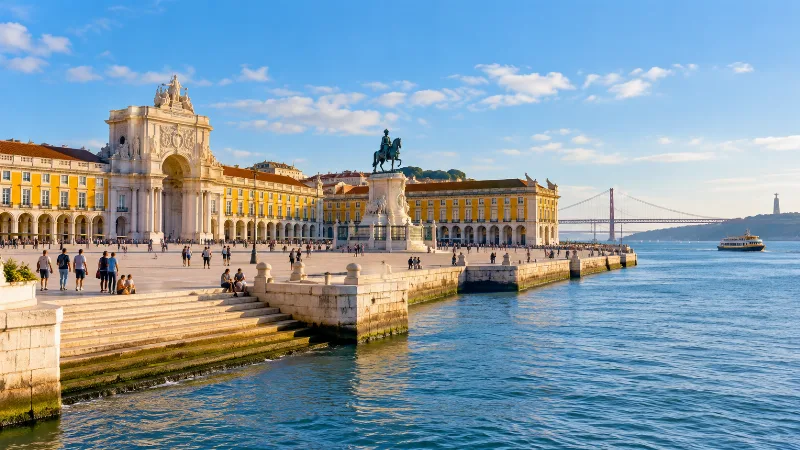
Portugal Travel Tips
Practical Portugal travel tips covering transport, weather, walking, payments, timing, local customs, safety and planning for different regions.
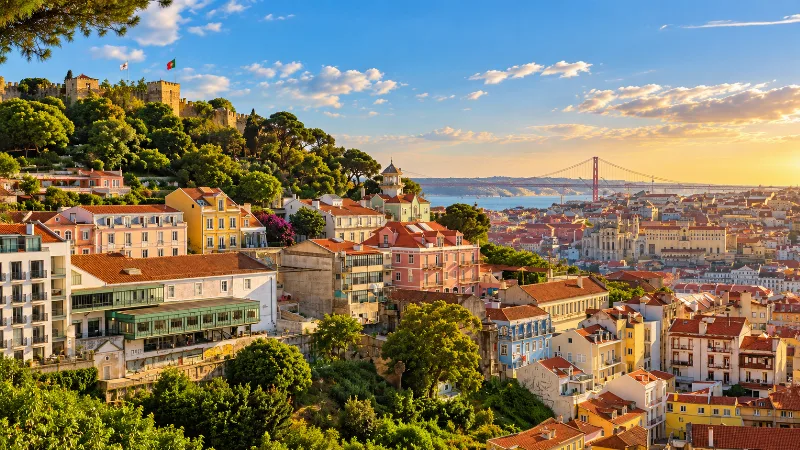
Portugal for First-Time Visitors: What to Know Before You Go
A practical first-trip guide to Portugal covering cities, transport, weather, walking, food, beaches, timing and common itinerary mistakes.
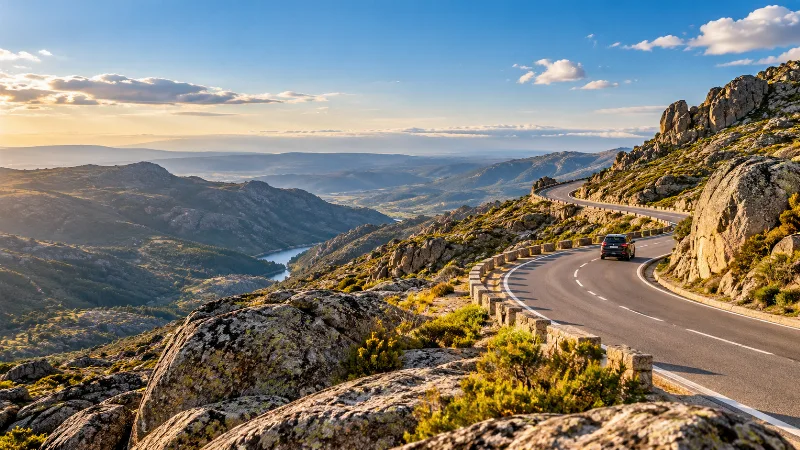
Driving in Portugal
Driving gives travellers access to rural Portugal, small villages, beaches and mountain regions, but tolls, parking and local road conditions require planning.

Pastel de Nata
Pastel de nata is Portugal’s famous custard tart, combining crisp laminated pastry with a rich baked custard and a deeply caramelized surface.
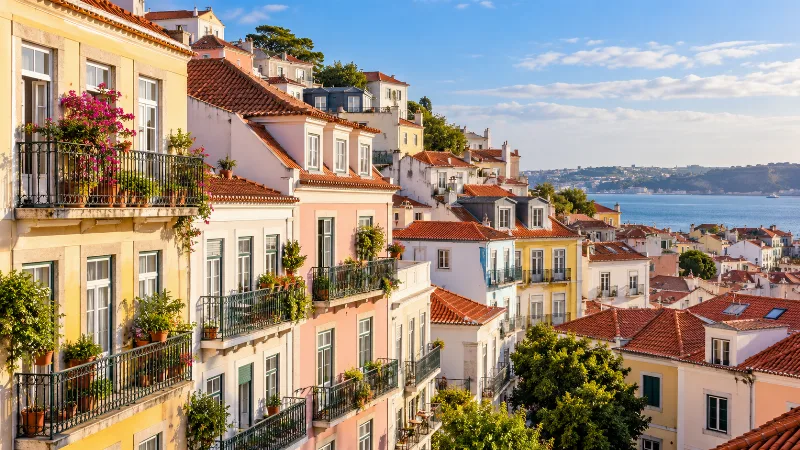
Housing in Portugal
Housing in Portugal varies by city, property type and region, with major differences in rent, building quality, transport access and neighbourhood character.