
How to Choose Where to Stay in Portugal
Select a travel base according to your itinerary, mobility and transport needs.
Select a travel base according to your itinerary, mobility and transport needs. This guide focuses on practical choices that help visitors explore Portugal at a sensible pace, while accounting for the differences between cities, regions and seasons.
Choose the region before the neighborhood
The right place to stay depends primarily on what you plan to see. Lisbon may suit a city-focused visit with nearby outings, while Porto offers a different historic and riverfront setting. A coastal base makes sense for beaches and cliff walks; an inland town may better serve rural sightseeing. Start with the day’s likely destinations and estimate realistic travel time, not just the distance visible on a map.
Consider walkability and hills
Historic districts may have attractive streets but also steep gradients, steps and uneven paving. If traveling with luggage, a stroller or limited mobility, examine the route from the nearest station or public transport stop. A location described as central is not necessarily easy to reach on foot. Think about the final walk at night and how the topography affects everyday movement between your base and sightseeing areas.
Public transport connections
For car-free visits, check whether the nearby transport actually serves your intended routes at useful times. Major-city neighborhoods often have several options, while smaller towns may depend on infrequent buses. A station on a map does not guarantee a convenient direct connection. Confirm morning and evening schedules if planning day trips. It can be wiser to stay near a reliable transport corridor than immediately beside a single famous landmark.
Match the atmosphere to the trip
Some travelers enjoy lively central streets, while others value quiet evenings and green space. Coastal communities may have seasonal changes in activity and traffic. A countryside base can be peaceful but less practical without a vehicle. Consider accessibility, noise, proximity to essential services and the amount of time you expect to spend at the accommodation. These qualities often matter more than a small difference in map position.
Test the itinerary from your base
Before finalizing a location, simulate a typical day: breakfast, outward transport, activities, return and evening walk. Estimate the time involved and whether several days would require repeated long transfers. Check access conditions and route connections using current sources. Choosing where to stay is a logistics decision that should support the travel experience, not dictate it. A well-chosen base gives you more usable time each day.
Practical planning checks
Before departure, compare your intended route with current official information for the places involved. Check opening arrangements for cultural sites, route notices for natural areas, and the applicable transport timetables for the exact travel date. The same plan can work differently in a busy summer weekend, a rainy winter weekday or a public holiday. Keep essential addresses and connections available offline, allow space for an alternative activity and adjust the schedule when local conditions differ from expectations. For how to choose where to stay in portugal, reliable local information and a realistic daily pace are more useful than trying to follow a rigid checklist.
Related content
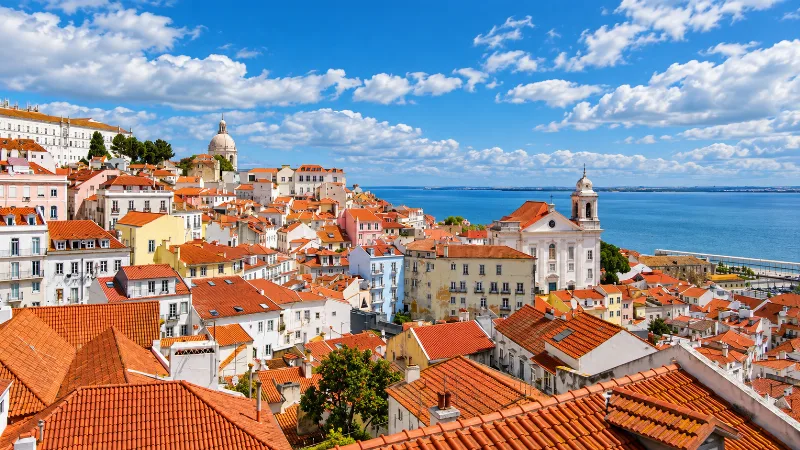
Lisbon
Portugal’s capital combines historic neighbourhoods, river views, tiled façades, viewpoints and an energetic everyday city life.

Porto
Porto is a compact northern city of steep streets, granite architecture, riverfront views, historic districts and strong local character.

Lisbon or Porto: Which City Is Right for Your Trip?
Lisbon and Porto offer very different first impressions of Portugal, from scale and weather to food, nightlife, day trips and overall pace.