
How to Plan a 7-Day Trip to Portugal
Organize one week in Portugal without making every day a race between destinations.
Organize one week in Portugal without making every day a race between destinations. This guide focuses on practical choices that help visitors explore Portugal at a sensible pace, while accounting for the differences between cities, regions and seasons.
Choose a simple geographic shape
The easiest seven-day journey usually follows one or two nearby regions, rather than zigzagging across the country. Lisbon and Porto make a familiar pairing because rail links connect them, but there are alternatives: a Lisbon and coastal itinerary, a Porto and northern Portugal itinerary, or a week focused on the Algarve. Decide whether you want historic neighborhoods, nature, beaches or a combination before selecting stops.
Days one and two: a clear base
Spend the first two days getting oriented rather than immediately undertaking a long day trip. In Lisbon, divide time between neighborhoods and waterfront places; in Porto, allow room for the historic center and riverbanks. Walkable routes make it easier to discover local architecture and public spaces. Plan fewer sights on arrival day because flight delays, luggage and transfers take time. A nearby evening viewpoint can be a better start than a complicated schedule.
Days three and four: expand carefully
Choose one full-day outing that adds a different landscape or cultural setting. From Lisbon, Sintra offers gardens and historic buildings, while Cascais provides a coastal contrast. From Porto, parts of the Douro region or another northern town may suit the itinerary. Examine transport schedules and opening arrangements before committing to multiple major stops. Spend the remaining time in your base city so the trip does not become an uninterrupted sequence of transfers.
Days five and six: second base or deeper exploration
Move to your second region only if the transfer is worthwhile for your interests. A two-night stay provides more value than arriving late and departing early the following morning. In a coastal area, plan for a mix of beaches, walks and viewpoints; in an urban destination, combine landmark visits with quieter streets and green spaces. Build an indoor alternative for poor weather rather than counting on every planned outdoor activity.
Day seven: protect departure time
Leave the last day flexible according to the departure point and transport mode. If a flight is involved, allow sufficient time for airport travel and normal check-in procedures. Keep important documents accessible and verify the current transport timetable. A realistic weekly plan includes unallocated time for delays and spontaneous discoveries. The most memorable parts of a journey often arise between scheduled attractions, not only at the most famous ones.
Practical planning checks
Before departure, compare your intended route with current official information for the places involved. Check opening arrangements for cultural sites, route notices for natural areas, and the applicable transport timetables for the exact travel date. The same plan can work differently in a busy summer weekend, a rainy winter weekday or a public holiday. Keep essential addresses and connections available offline, allow space for an alternative activity and adjust the schedule when local conditions differ from expectations. For how to plan a 7-day trip to portugal, reliable local information and a realistic daily pace are more useful than trying to follow a rigid checklist.
Related content
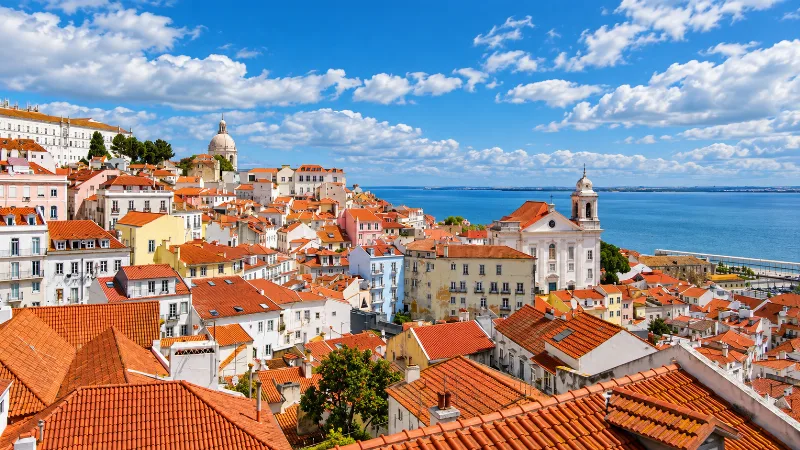
Lisbon
Portugal’s capital combines historic neighbourhoods, river views, tiled façades, viewpoints and an energetic everyday city life.
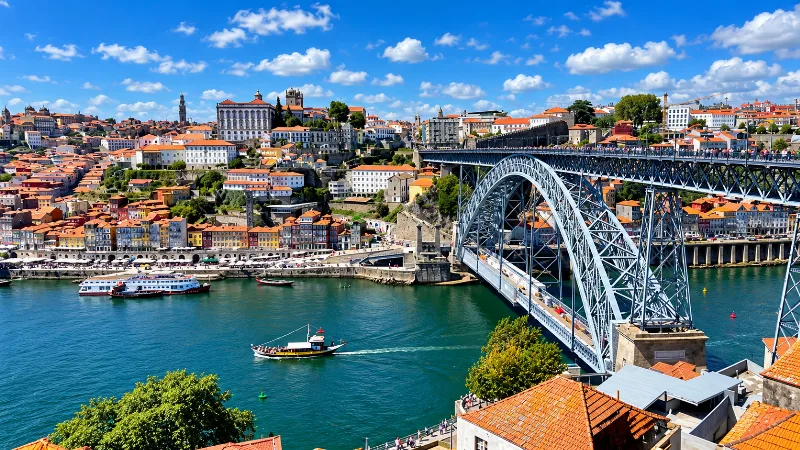
Porto
Porto is a compact northern city of steep streets, granite architecture, riverfront views, historic districts and strong local character.
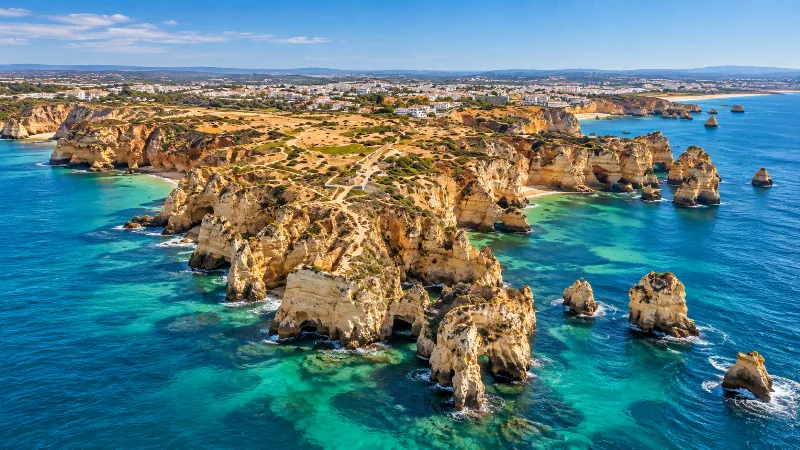
Algarve
Explore the Algarve through sandy beaches, limestone cliffs, Faro, Ria Formosa, coastal trails, historic towns and southern Portuguese landscapes.
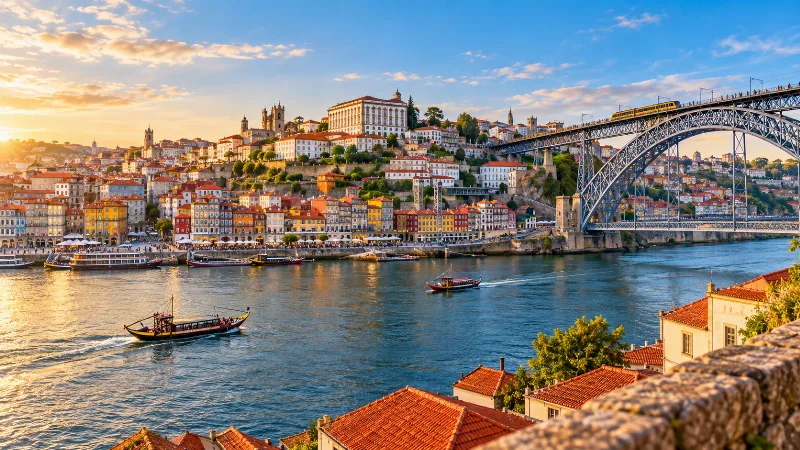
Portugal in 7 Days
A seven-day Portugal itinerary works best when it focuses on a small number of regions instead of trying to cover the entire country at speed.
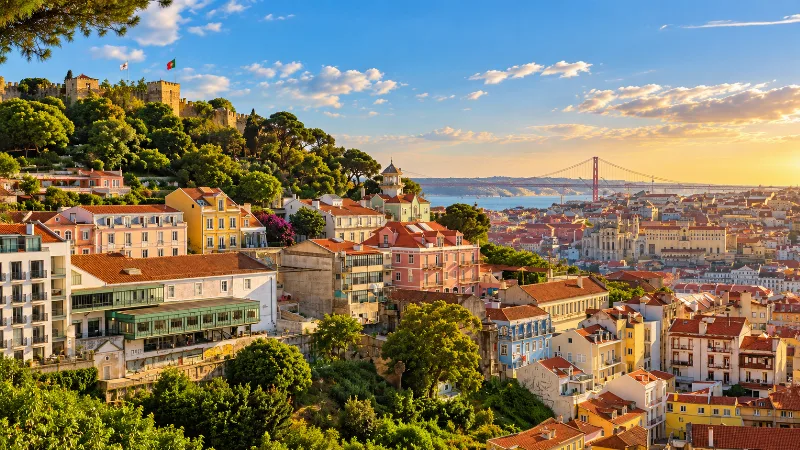
Portugal for First-Time Visitors: What to Know Before You Go
A practical first-trip guide to Portugal covering cities, transport, weather, walking, food, beaches, timing and common itinerary mistakes.
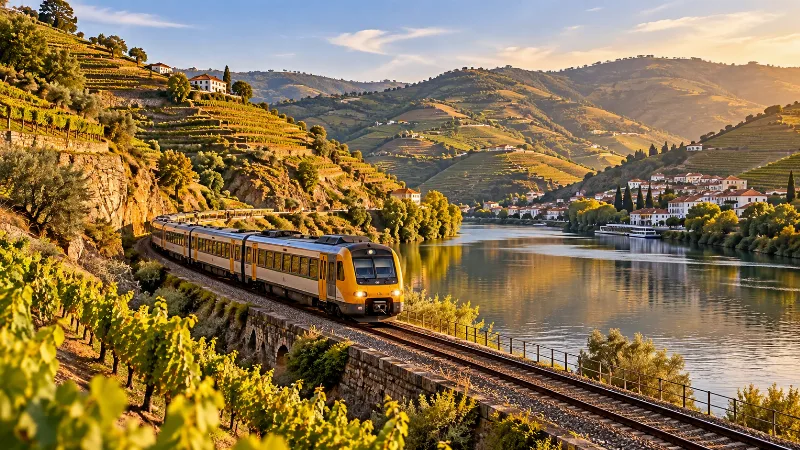
Portugal by Train
Portugal’s rail network connects many major cities and provides a comfortable way to travel between Lisbon, Porto, Coimbra, Braga, Aveiro and the Algarve.