
How to Plan a Coastal Road Trip in Portugal
Create a coast-focused itinerary with realistic stops, safe access and varied landscapes.
Create a coast-focused itinerary with realistic stops, safe access and varied landscapes. This guide focuses on practical choices that help visitors explore Portugal at a sensible pace, while accounting for the differences between cities, regions and seasons.
Choose one stretch of coastline
Portugal’s coast is long and diverse, from the north near the Minho to the southern Algarve. A satisfying road trip need not drive the entire length. Pick a manageable section according to your interests: sandy expanses, fishing towns, dramatic cliffs or protected natural landscapes. A route with nearby stops often feels more complete than a fast drive between famous beaches separated by many hours.
Account for access and parking
Not all scenic locations are reached directly by car. Some beaches require stairs, walks over uneven ground or access along local roads with limited parking. Read posted restrictions and use designated parking areas. Do not drive onto fragile dunes or informal tracks to shorten the approach. Historic seaside towns can have narrow streets, so the best strategy may be to park outside the center and explore on foot.
Respect the Atlantic environment
Ocean conditions change with swell, wind and tides. A lookout can be safe when approached from marked areas yet hazardous beyond barriers or near cliff edges. Check local weather and avoid exposed walkways in dangerous conditions. Some coastal routes cross protected habitats with restrictions designed to preserve dunes, vegetation or birdlife. Follow signs rather than assuming the shortest path is permitted.
Balance nature and cultural stops
A coast-focused journey can include historic streets, harbors, estuaries and walking trails, not just beaches. Schedule time for places that reveal how settlements relate to the sea. In the Algarve, golden limestone formations contrast with the wilder western coast. Farther north, broad beaches and rocky headlands create other rhythms. Avoid allocating the same short stop to every destination regardless of its size and access.
Use a weather-aware plan
Choose overnight bases that reduce unnecessary driving and leave time for unplanned stops. Long summer days expand options, but heat and visitor numbers can affect access. In other seasons, wind and rain call for adaptable routes. Confirm roads and trail access near the day of travel. A thoughtful road trip uses the car to connect places, then slows down enough to experience them outside the vehicle.
Practical planning checks
Before departure, compare your intended route with current official information for the places involved. Check opening arrangements for cultural sites, route notices for natural areas, and the applicable transport timetables for the exact travel date. The same plan can work differently in a busy summer weekend, a rainy winter weekday or a public holiday. Keep essential addresses and connections available offline, allow space for an alternative activity and adjust the schedule when local conditions differ from expectations. For how to plan a coastal road trip in portugal, reliable local information and a realistic daily pace are more useful than trying to follow a rigid checklist.
At each stop, allow more time than the road distance suggests. A viewpoint may require a short hike and an accessible beach may have a long staircase. If the weather turns, substitute a sheltered town walk for an exposed clifftop route. This keeps the day useful without encouraging unnecessary risks.
Related content
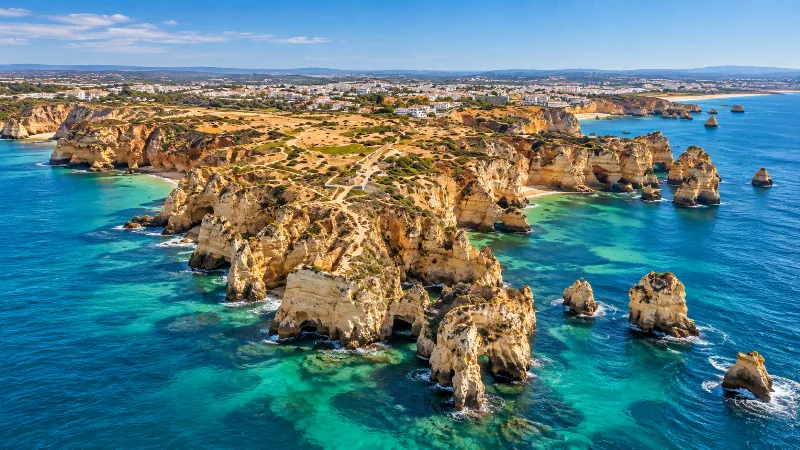
Algarve
Explore the Algarve through sandy beaches, limestone cliffs, Faro, Ria Formosa, coastal trails, historic towns and southern Portuguese landscapes.

Algarve or Madeira: Which Is Better for Your Trip?
The Algarve and Madeira both offer warm-weather escapes, but they differ greatly in beaches, scenery, hiking, driving, towns and overall travel style.
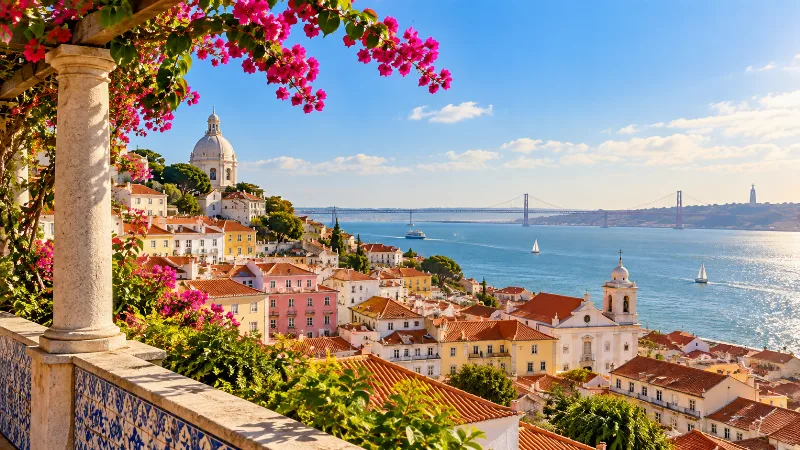
Best Time to Visit Portugal
Portugal can be visited year-round, but the best time depends on region, weather, crowd levels, outdoor plans and the type of trip you want.
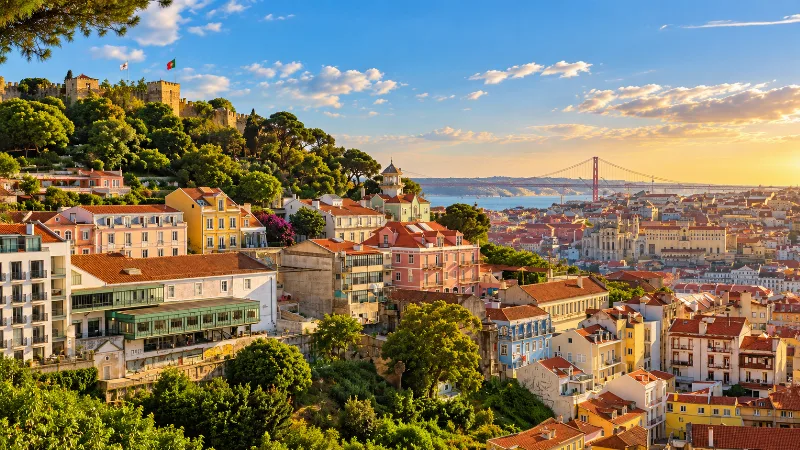
Portugal for First-Time Visitors: What to Know Before You Go
A practical first-trip guide to Portugal covering cities, transport, weather, walking, food, beaches, timing and common itinerary mistakes.
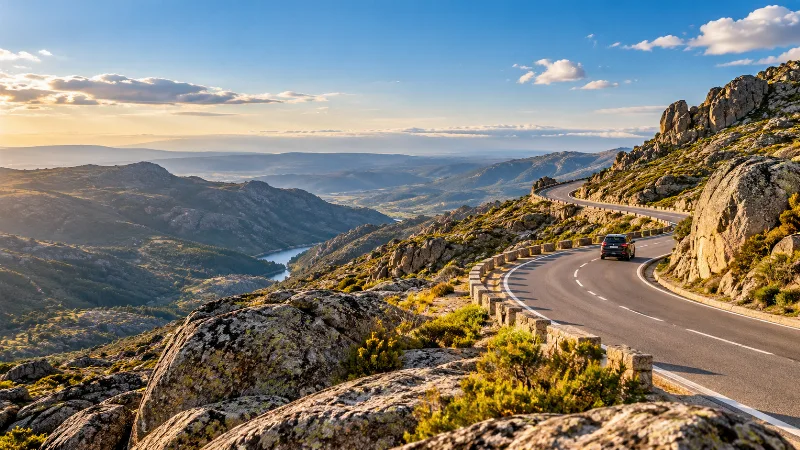
Driving in Portugal
Driving gives travellers access to rural Portugal, small villages, beaches and mountain regions, but tolls, parking and local road conditions require planning.
Portugal Travel Tips
Practical Portugal travel tips covering transport, weather, walking, payments, timing, local customs, safety and planning for different regions.