
How to Travel Between Cities in Portugal
Compare trains, intercity buses and driving for journeys between Portuguese cities.
Compare trains, intercity buses and driving for journeys between Portuguese cities. This guide focuses on practical choices that help visitors explore Portugal at a sensible pace, while accounting for the differences between cities, regions and seasons.
Think in networks rather than straight lines
Intercity journeys depend on available routes, not simply on geographic distance. Lisbon and Porto have frequent rail connections, while smaller towns may require a change of service or be better reached by bus. Coastal and inland destinations are not equally connected. Start with the actual origin and destination, then compare total door-to-door travel time including station access, transfers and the walk to your accommodation.
When trains are practical
Trains are useful for many major-city journeys and selected regional routes. Different rail services have different stopping patterns and reservation arrangements. Check the current schedule, service type and exact station, particularly where a city has more than one station. Allow adequate transfer time when making connections. Rail journeys can offer scenery and a comfortable alternative to driving, though not every beach or countryside site is near a station.
Where intercity buses help
Buses extend access to towns not served by convenient rail routes. Terminals can be outside the most historic parts of cities, so include local transport in your plan. Check whether a journey operates every day, as frequency may vary with season and route. If you plan a one-way walk or rural visit, look up the return service before departure. Do not assume that the final bus will be late in the evening.
Driving between destinations
Driving can make dispersed beaches, rural viewpoints and small towns easier to combine. Consider toll roads, parking regulations, city traffic restrictions and the time needed to reach a parking area near historic centers. Narrow streets are common in older districts. When using a vehicle, limit long driving days and avoid making a scenic detour depend on an unrealistically short stop. Check local road conditions before mountain journeys.
Make the route resilient
Verify up-to-date public transport information with the relevant transport operator before travel. During busy periods or around holidays, plan important departures with extra margin. Keep a backup for missed connections and save key station names offline. The right choice is the option that fits your route and pace, not necessarily the fastest service on paper. A compact itinerary is often easier than a series of distant day trips.
Practical planning checks
Before departure, compare your intended route with current official information for the places involved. Check opening arrangements for cultural sites, route notices for natural areas, and the applicable transport timetables for the exact travel date. The same plan can work differently in a busy summer weekend, a rainy winter weekday or a public holiday. Keep essential addresses and connections available offline, allow space for an alternative activity and adjust the schedule when local conditions differ from expectations. For how to travel between cities in portugal, reliable local information and a realistic daily pace are more useful than trying to follow a rigid checklist.
Related content
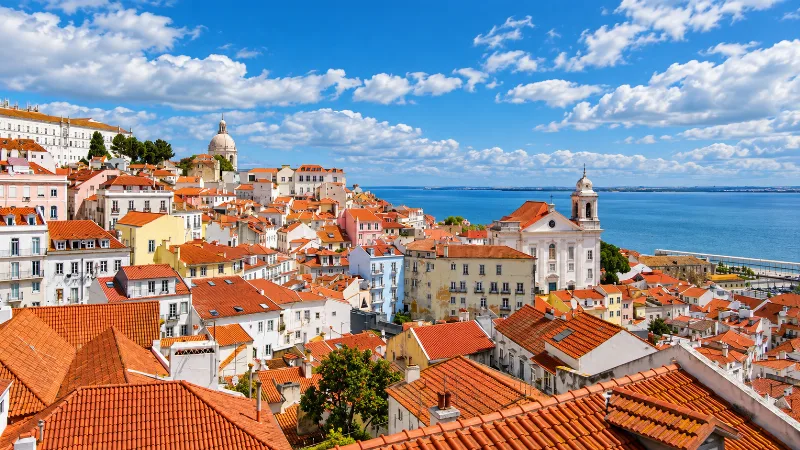
Lisbon
Portugal’s capital combines historic neighbourhoods, river views, tiled façades, viewpoints and an energetic everyday city life.
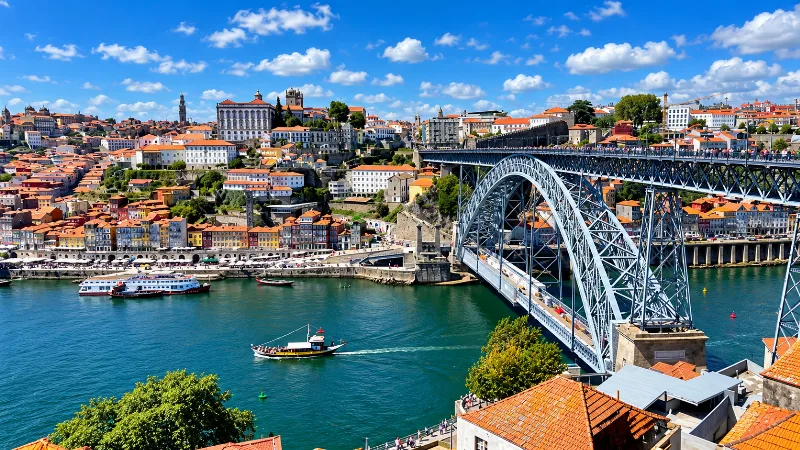
Porto
Porto is a compact northern city of steep streets, granite architecture, riverfront views, historic districts and strong local character.
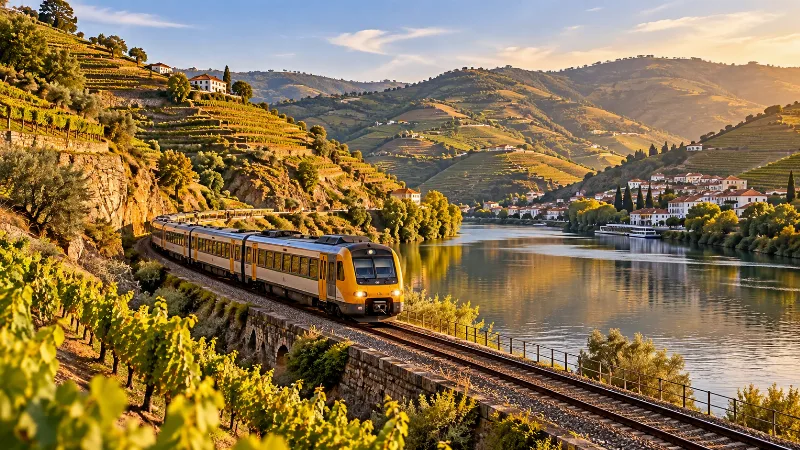
Portugal by Train
Portugal’s rail network connects many major cities and provides a comfortable way to travel between Lisbon, Porto, Coimbra, Braga, Aveiro and the Algarve.
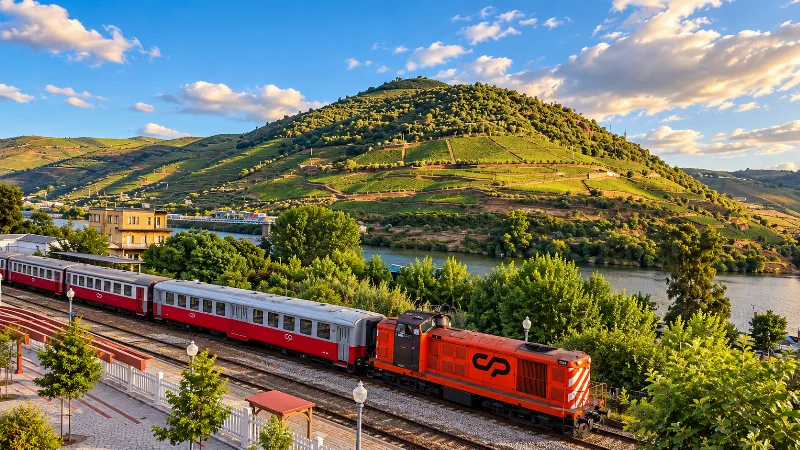
Portugal Without a Car: How Easy Is It?
Portugal can be explored without a car if you focus on major cities and rail corridors, but rural regions, remote beaches and mountains require more planning.
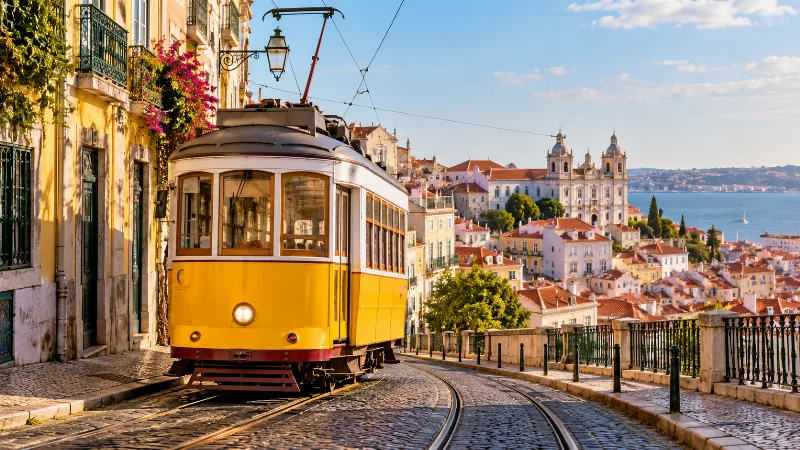
Public Transport in Portugal
Public transport in Portugal is strongest in Lisbon, Porto and major rail corridors, while smaller towns and rural regions require more careful planning.
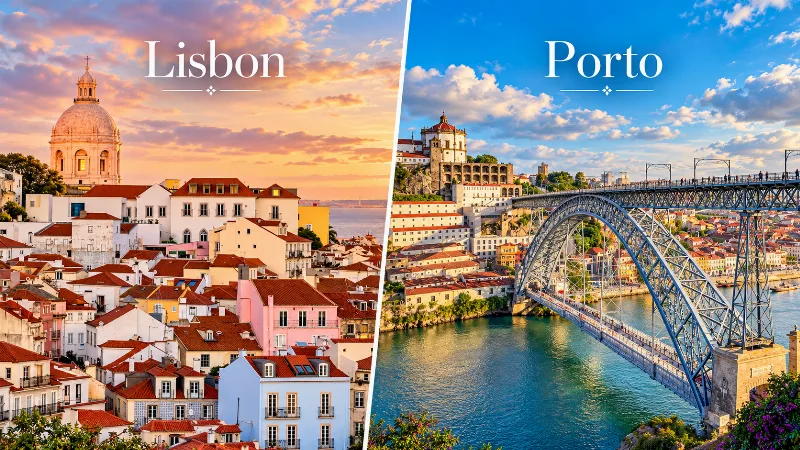
Lisbon or Porto: Which City Is Right for Your Trip?
Lisbon and Porto offer very different first impressions of Portugal, from scale and weather to food, nightlife, day trips and overall pace.