
Portugal by Train: What Travelers Should Know
Plan rail travel in Portugal using routes, station information and realistic connections.
Plan rail travel in Portugal using routes, station information and realistic connections. This guide focuses on practical choices that help visitors explore Portugal at a sensible pace, while accounting for the differences between cities, regions and seasons.
The shape of the rail network
Portugal has rail links between many important cities, including Lisbon, Porto and Coimbra, as well as selected regional destinations. Rail coverage is uneven: some attractive coastal areas and inland villages are distant from stations. Check actual journey options before designing a holiday entirely around trains. The national operator Comboios de Portugal provides official schedule and service information, while urban systems may have their own operators.
Choose the appropriate service
Long-distance and regional trains serve different purposes. Faster services connect major centers with fewer stops, while regional trains can be useful for shorter segments and smaller destinations. Ticket conditions and whether seats are assigned can differ by train type. Examine the specific service rather than assuming a single rule applies to the entire network. Plan realistic boarding time if traveling with large luggage or children.
Stations and transfers matter
A city may have several stations, and some long-distance services stop outside the most central tourist area. Confirm your arrival station and its connection to local transport before booking accommodation. When transferring, allow enough time to change platforms and cope with routine delays. Using the exact Portuguese station name reduces confusion. Saving the trip details on your phone is useful even if the connection temporarily fails.
Scenery and everyday travel
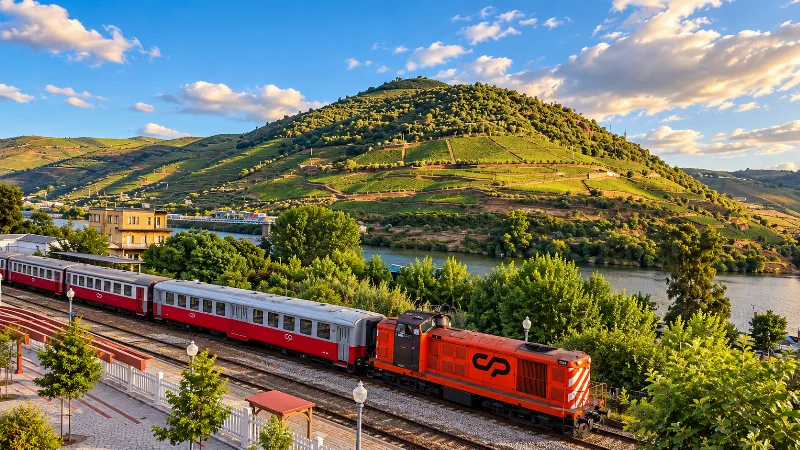
Rail journeys can reveal farmland, river valleys, smaller towns and the changing urban landscape. The experience is not identical on every line; some journeys prioritize speed while others pass through scenic sections. Trains also work well for selected day trips, provided the return timetable leaves enough time at the destination. Avoid planning a remote walk solely on the assumption that an infrequent regional train will always align with your preferred schedule.
Check details near departure
Timetables may change because of engineering work, public holidays or other operational adjustments. Consult the operator’s official notices and allow extra margin around flights or important appointments. If you need step-free access, verify facilities for the exact stations and services involved. A train-first itinerary is excellent for connected towns; add local buses or walking plans only after checking the last segment of each journey.
Practical planning checks
Before departure, compare your intended route with current official information for the places involved. Check opening arrangements for cultural sites, route notices for natural areas, and the applicable transport timetables for the exact travel date. The same plan can work differently in a busy summer weekend, a rainy winter weekday or a public holiday. Keep essential addresses and connections available offline, allow space for an alternative activity and adjust the schedule when local conditions differ from expectations. For portugal by train: what travelers should know, reliable local information and a realistic daily pace are more useful than trying to follow a rigid checklist.
A railway-focused holiday is easier when the overnight base is chosen near the relevant station, but the station itself may not be close to the historic sights. Examine the final walk and any steep terrain. For scenic routes, consider whether the view is best from the train or after leaving it at a suitable stop.
Related content
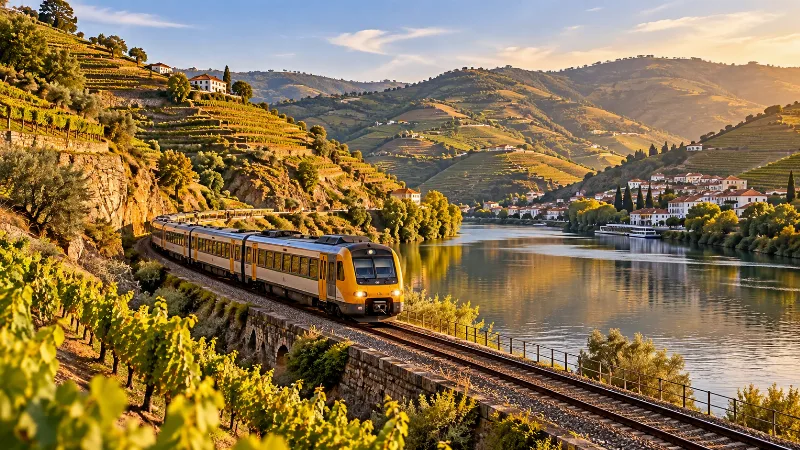
Portugal by Train
Portugal’s rail network connects many major cities and provides a comfortable way to travel between Lisbon, Porto, Coimbra, Braga, Aveiro and the Algarve.
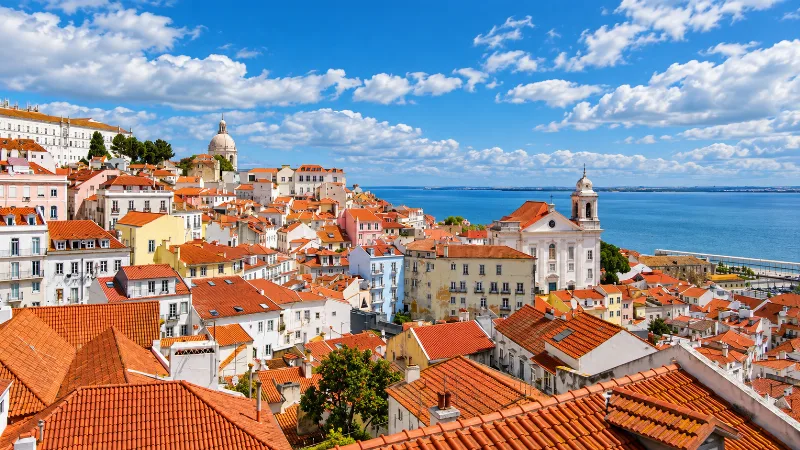
Lisbon
Portugal’s capital combines historic neighbourhoods, river views, tiled façades, viewpoints and an energetic everyday city life.
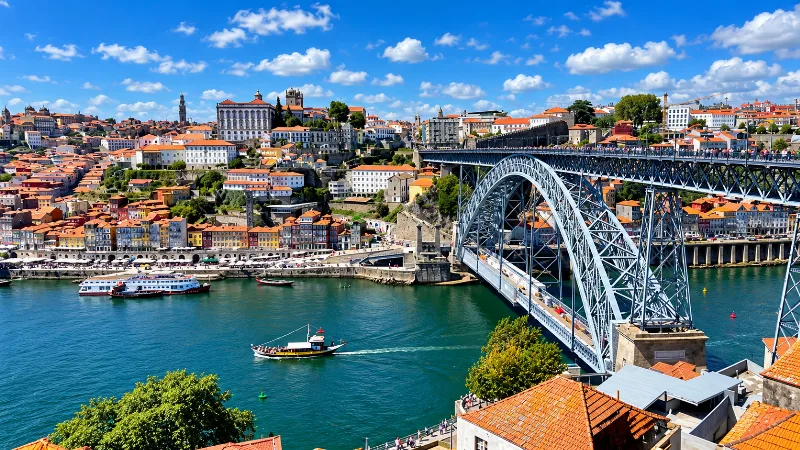
Porto
Porto is a compact northern city of steep streets, granite architecture, riverfront views, historic districts and strong local character.
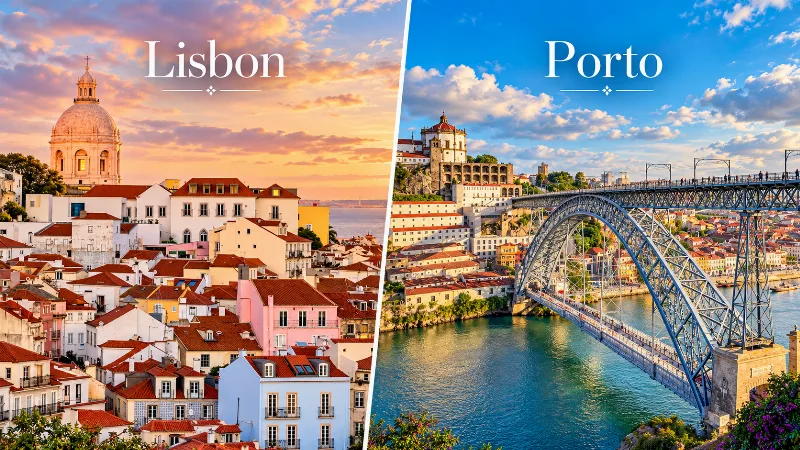
Lisbon or Porto: Which City Is Right for Your Trip?
Lisbon and Porto offer very different first impressions of Portugal, from scale and weather to food, nightlife, day trips and overall pace.
Portugal Without a Car: How Easy Is It?
Portugal can be explored without a car if you focus on major cities and rail corridors, but rural regions, remote beaches and mountains require more planning.