
Portugal in Summer: Weather, Crowds and Travel Tips
Plan comfortable summer travel across Portugal’s cities, beaches and rural regions.
Plan comfortable summer travel across Portugal’s cities, beaches and rural regions. This guide focuses on practical choices that help visitors explore Portugal at a sensible pace, while accounting for the differences between cities, regions and seasons.
Different regions feel different
Portuguese summer weather varies substantially between coastal and inland areas. Atlantic breezes can moderate temperatures near the ocean, while inland cities and plains may experience strong heat. Northern areas and mountains have their own conditions. Madeira and the Azores should not be planned using mainland forecasts. Check each destination rather than assuming the temperature at one city predicts the entire trip.
Manage daytime heat
During hot weather, start long city walks earlier and use shaded spaces or indoor visits during the warmest periods. Carry water, wear sun protection and take rest breaks. Stone streets and open squares can feel hotter under direct sunshine. Hiking on exposed ridges is particularly demanding without shade. Adjust the route if official warnings indicate extreme heat or elevated wildfire risk.
Plan popular areas with flexibility
Coastal destinations can be busy during summer holidays, especially at well-known beaches and viewpoints. Early arrival may help with a relaxed day, but parking, access and visitor controls can change. Avoid treating every popular location as essential. Nearby areas and quieter hours may offer an equally rewarding experience, provided public access is allowed and conditions are safe.
Be careful around water
The Atlantic can have strong currents, changing surf and cooler water than visitors expect. Follow beach flags and lifeguard instructions where present. Do not enter rough water simply because other people appear to be swimming. On cliff-backed beaches, remain away from unstable rock faces and heed warning signs. Check tide conditions before walks that pass beneath headlands or through coves.
Prepare for travel days
Book time-sensitive transport with appropriate planning and confirm schedules directly with operators. Carry layers for air-conditioned transport or windy evening conditions. In rural areas, services may operate at different frequencies from urban routes. Leave room for slower road journeys around busy holiday periods. Summer is ideal for many outdoor experiences when the itinerary respects heat, crowds and local environmental conditions.
Practical planning checks
Before departure, compare your intended route with current official information for the places involved. Check opening arrangements for cultural sites, route notices for natural areas, and the applicable transport timetables for the exact travel date. The same plan can work differently in a busy summer weekend, a rainy winter weekday or a public holiday. Keep essential addresses and connections available offline, allow space for an alternative activity and adjust the schedule when local conditions differ from expectations. For portugal in summer: weather, crowds and travel tips, reliable local information and a realistic daily pace are more useful than trying to follow a rigid checklist.
In peak sunshine, exposed stone steps, narrow streets without shade and long queueing periods can make a simple sightseeing day tiring. Bring water before starting a remote trail, as facilities may not be available there. Consider an earlier outing followed by a slower afternoon rather than pushing through extreme heat.
Related content
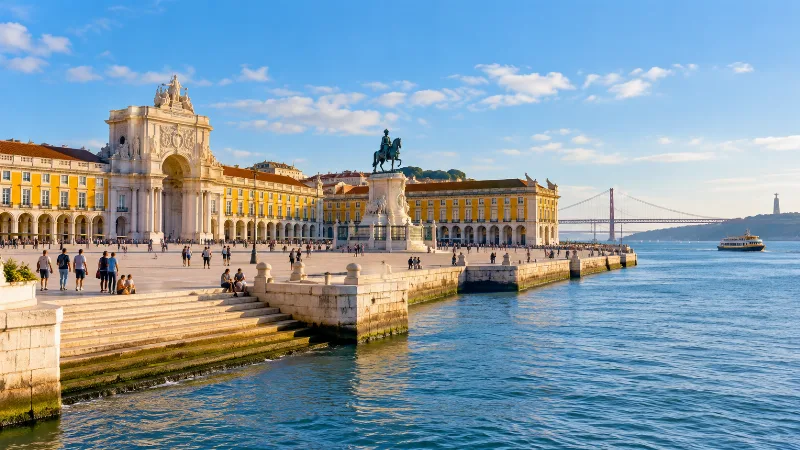
Portugal Travel Tips
Practical Portugal travel tips covering transport, weather, walking, payments, timing, local customs, safety and planning for different regions.
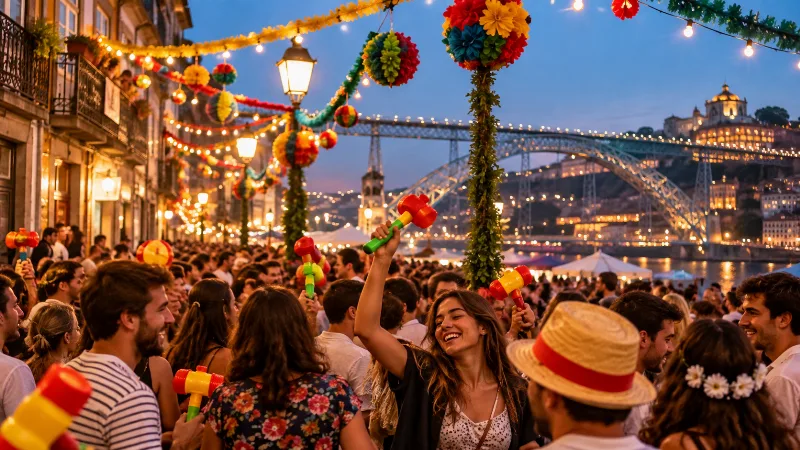
São João
São João is Porto’s major midsummer celebration, filling the city with street gatherings, music, decorations, food, fireworks and long-standing local traditions.
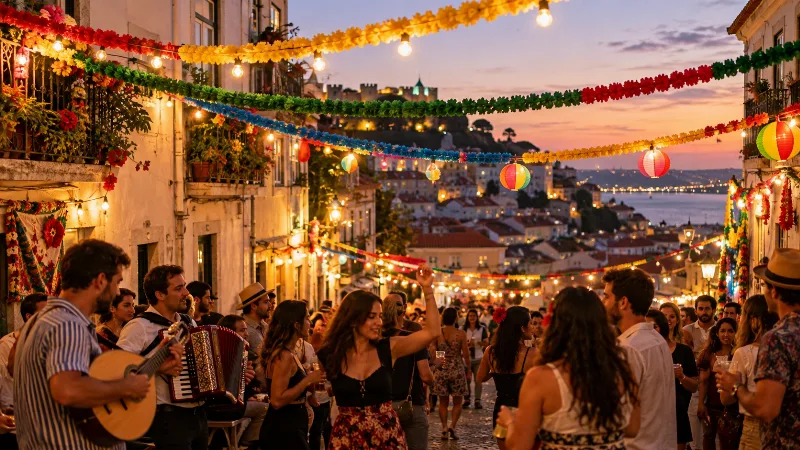
How to Plan a Trip to Portugal During Festival Season
Enjoy Portugal’s cultural calendar while managing travel, crowds and local customs.
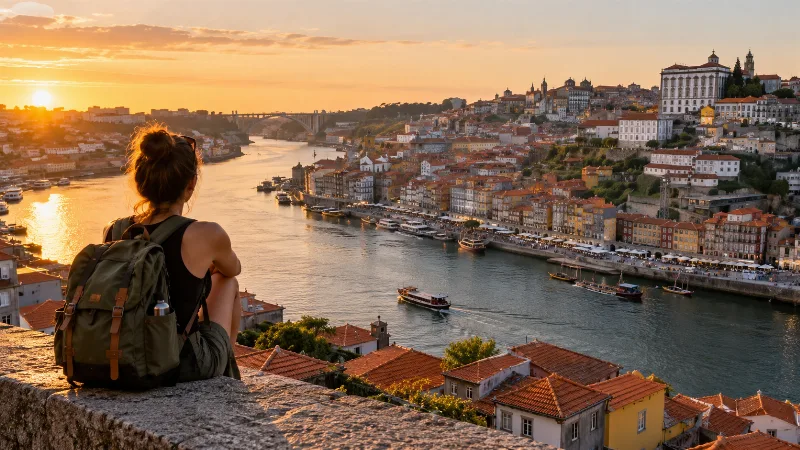
How to Explore Portugal on a Budget
Make thoughtful travel choices without sacrificing the essential experiences of Portugal.
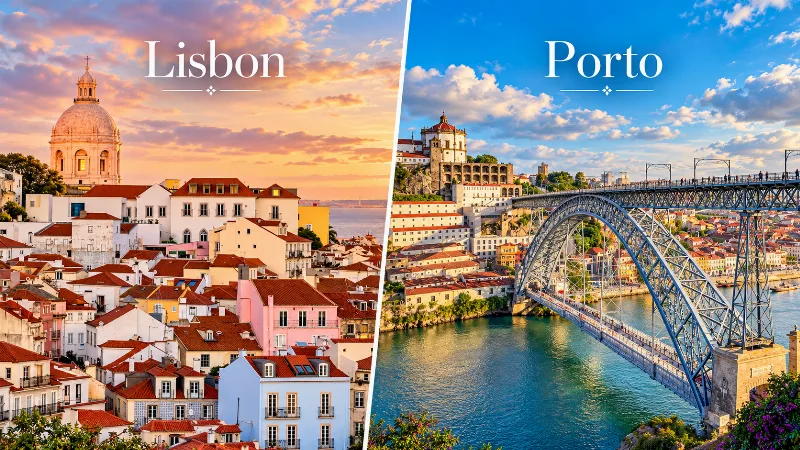
Lisbon or Porto: Which City Is Right for Your Trip?
Lisbon and Porto offer very different first impressions of Portugal, from scale and weather to food, nightlife, day trips and overall pace.
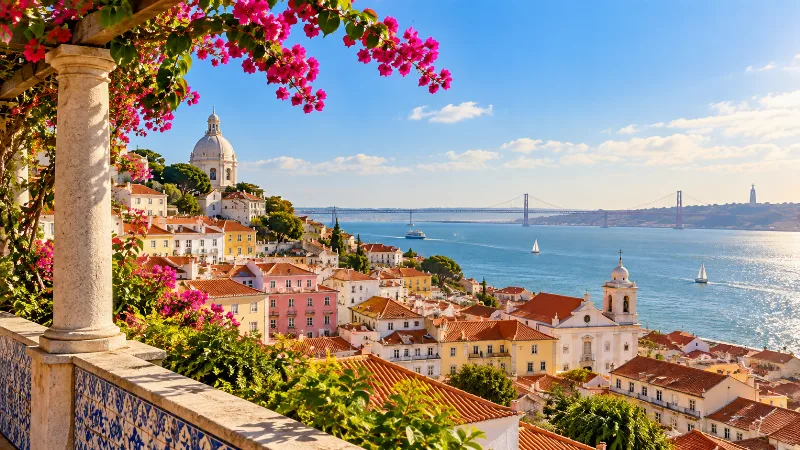
Best Time to Visit Portugal
Portugal can be visited year-round, but the best time depends on region, weather, crowd levels, outdoor plans and the type of trip you want.