
Public Transport in Portugal: Trains, Buses and Metro
Navigate Portuguese urban and intercity transport with more confidence.
Navigate Portuguese urban and intercity transport with more confidence. This guide focuses on practical choices that help visitors explore Portugal at a sensible pace, while accounting for the differences between cities, regions and seasons.
Understand the different systems
Portugal’s public transport includes national rail services, urban and regional buses, metro networks in major urban areas and other local connections. Operators and ticketing systems differ by location; a ticket valid on one network may not apply to another. Check the exact transport system relevant to your city rather than assuming there is one nationwide urban ticket. For intercity journeys, look at the complete route including the final local connection.
Trains for longer journeys
Rail services are useful between several major cities and on selected regional routes. Different categories of train have different stops and booking conditions. Confirm the station name because cities can have multiple stations. When planning a transfer from rail to local transport, leave adequate time for platforms and station exits. Official operator timetables are preferable to assumptions based on a map or an older travel account.
Metro and local transport
Lisbon and Porto have metro and other city transport services, though coverage and arrangements are not identical. Buses, trams and walking can complement rail-based routes depending on the neighborhood. Look up the correct platform, direction and final stop. In hilly places, a seemingly short walking connection may involve steep stairs. Visitors with accessibility needs should check the relevant operator’s current station and vehicle information.
Buses outside the main cities
Regional and intercity buses connect many places not conveniently reached by train. Frequencies can be lower on some routes and may differ on weekends or holidays. Confirm the actual stop or terminal: it may not be immediately beside the main rail station. For nature sites and beaches, investigate the return trip before departing. A beautiful destination is less practical as a day trip if the last service leaves before your planned visit is complete.
Make transfers simpler
Keep a saved copy of key schedules and use official channels to check planned service changes. Allow margin around flights or other fixed departures and avoid unnecessary tight connections. Understand whether a ticket must be validated and how payment works on the specific network. Public transport can make Portugal accessible without a vehicle, especially when the itinerary respects the strengths and limitations of each system.
Practical planning checks
Before departure, compare your intended route with current official information for the places involved. Check opening arrangements for cultural sites, route notices for natural areas, and the applicable transport timetables for the exact travel date. The same plan can work differently in a busy summer weekend, a rainy winter weekday or a public holiday. Keep essential addresses and connections available offline, allow space for an alternative activity and adjust the schedule when local conditions differ from expectations. For public transport in portugal: trains, buses and metro, reliable local information and a realistic daily pace are more useful than trying to follow a rigid checklist.
Related content
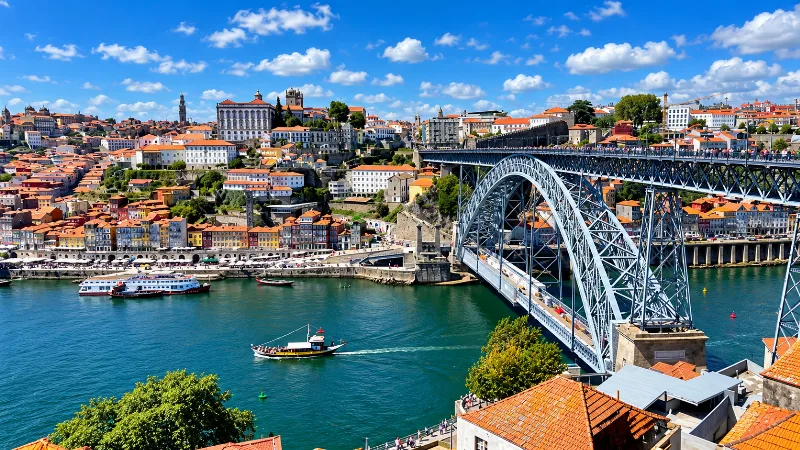
Porto
Porto is a compact northern city of steep streets, granite architecture, riverfront views, historic districts and strong local character.
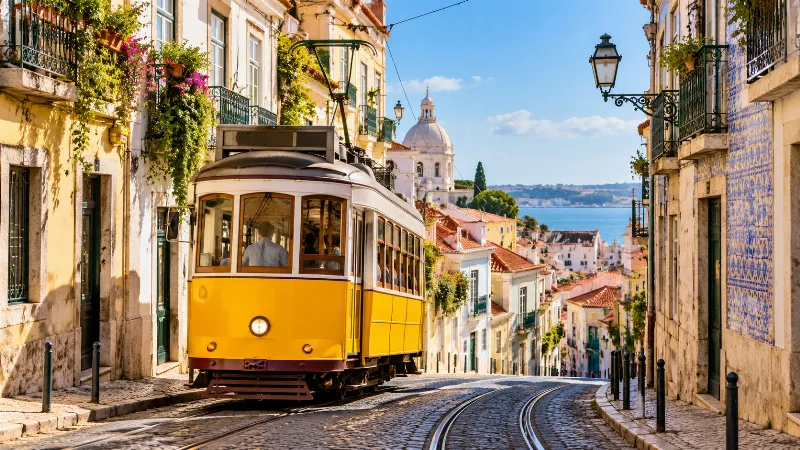
Getting Around Portugal
Portugal is easy to explore with a mix of trains, buses, metro systems, ferries, domestic flights and rental cars, depending on the route.
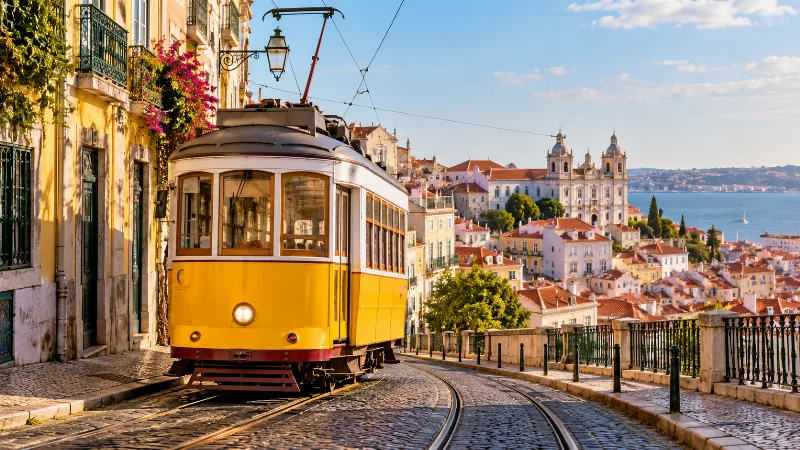
Public Transport in Portugal
Public transport in Portugal is strongest in Lisbon, Porto and major rail corridors, while smaller towns and rural regions require more careful planning.
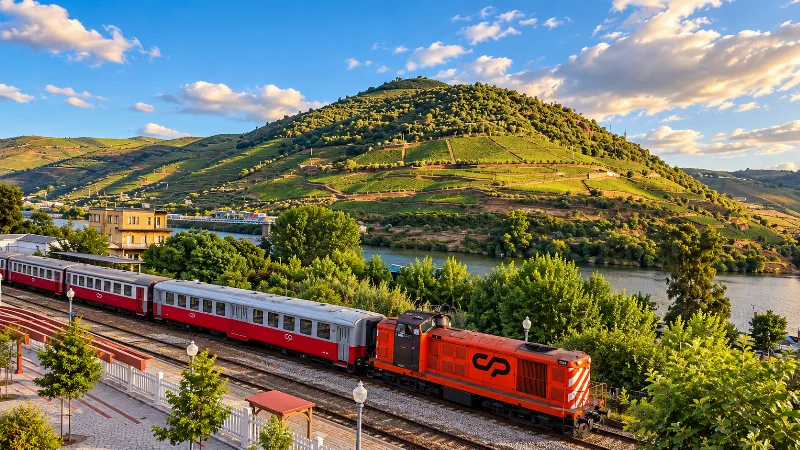
Portugal Without a Car: How Easy Is It?
Portugal can be explored without a car if you focus on major cities and rail corridors, but rural regions, remote beaches and mountains require more planning.
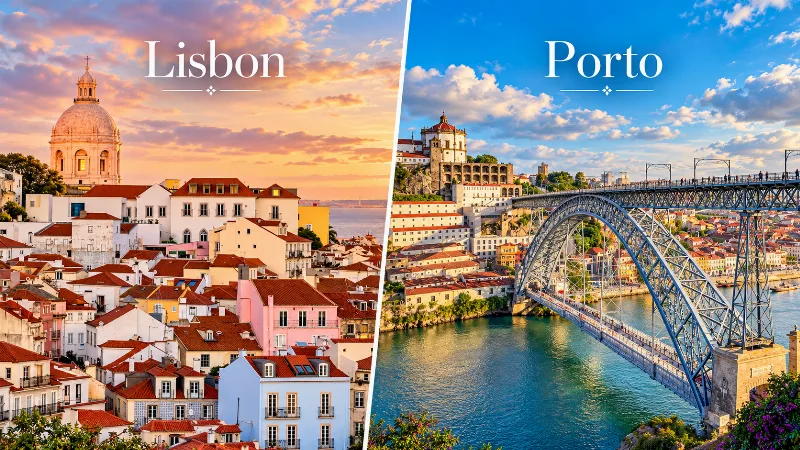
Lisbon or Porto: Which City Is Right for Your Trip?
Lisbon and Porto offer very different first impressions of Portugal, from scale and weather to food, nightlife, day trips and overall pace.