
Portuguese Coffee Culture
Understand espresso, regional coffee names, milk-based orders and the role of cafés and pastelarias in Portuguese daily life.
Coffee in Portugal is part of everyday life in cafés and pastelarias. A visit may be a quick stop at the counter, part of breakfast or an opportunity to catch up with neighbours. Learning a few common drink names makes ordering easier and offers an introduction to local café culture.
Ordering an Espresso
An espresso is commonly ordered simply as um café. The term bica is associated with Lisbon, while cimbalino is traditionally associated with Porto. Usage varies, and you do not need to use regional expressions to place an order.
If you prefer a particular volume or strength, explain your preference. A short espresso and a longer extraction can taste different, even when served in similar cups.
Choosing Coffee with Milk
A galão is typically served in a tall glass and contains a larger proportion of milk. A meia de leite usually comes in a cup, with coffee and milk in a more balanced combination.
An espresso with a small amount of milk is another familiar option. Quantities and presentation vary between establishments, so ask if you are unsure which drink matches your preference.
Visiting a Pastelaria
Pastelarias serve pastries and other food alongside coffee, making them part of many morning and afternoon routines. Customers may stop briefly for a drink or sit down for breakfast and conversation.
Some establishments offer table service, while others take orders at the counter. Observe how service works or ask a member of staff when visiting somewhere unfamiliar.
Everyday Café Etiquette
Greet the person serving and give your order clearly. In a busy café, be considerate about occupying a table for an extended period, particularly when others are waiting.
If you intend to work on a laptop, ask whether this is welcome. A small neighbourhood café may have a different atmosphere and seating arrangement from a venue designed for longer stays.
Becoming Familiar with Local Life
Returning to the same café can help you recognise the rhythm of a neighbourhood. Ordering a familiar drink also provides a simple opportunity to practise Portuguese.
Over time, these small exchanges can make an everyday coffee stop part of feeling at home in the area.
Related content
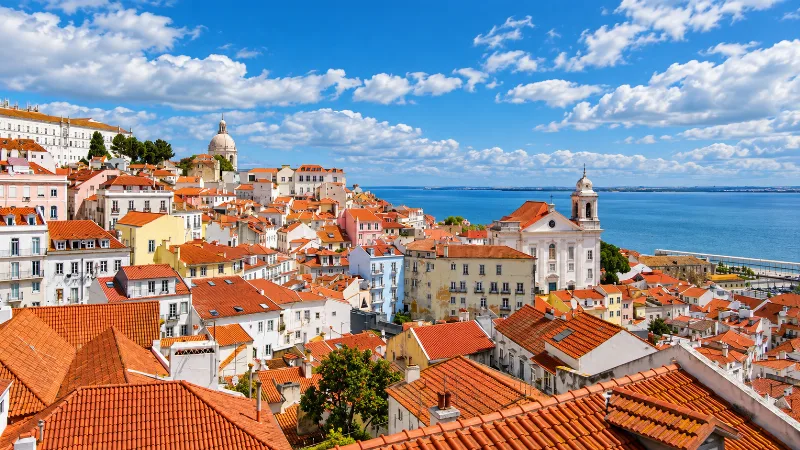
Lisbon
Portugal’s capital combines historic neighbourhoods, river views, tiled façades, viewpoints and an energetic everyday city life.
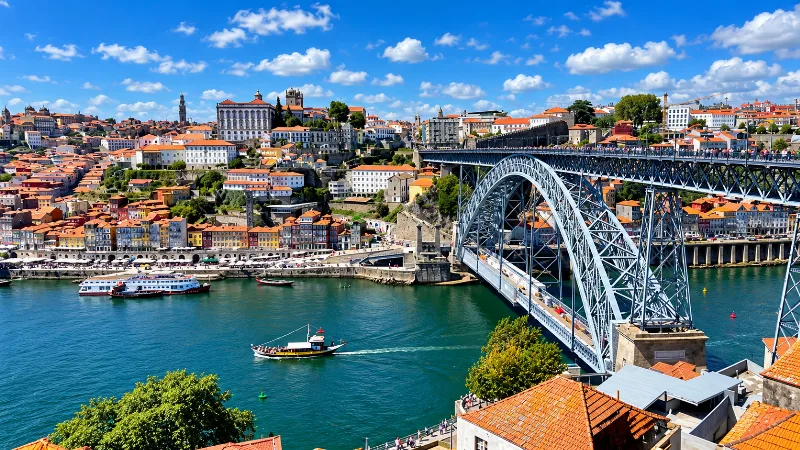
Porto
Porto is a compact northern city of steep streets, granite architecture, riverfront views, historic districts and strong local character.
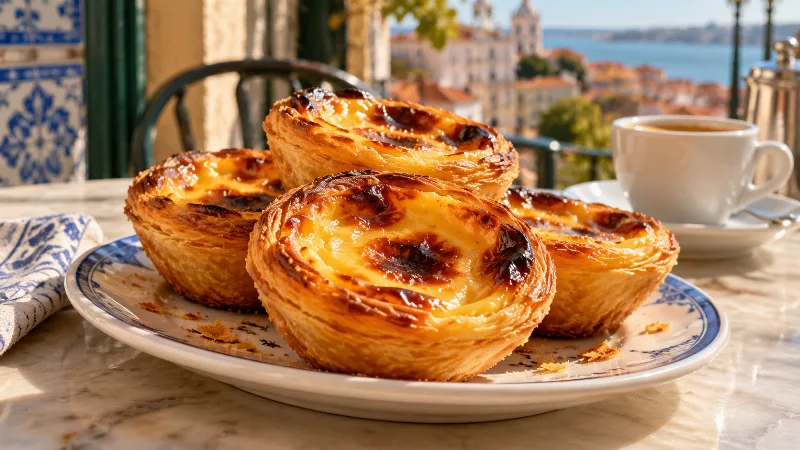
Pastel de Nata
Pastel de nata is Portugal’s famous custard tart, combining crisp laminated pastry with a rich baked custard and a deeply caramelized surface.
Is Portugal Expensive to Visit?
Portugal can suit different travel budgets, but accommodation, season, city choice, transport and dining habits have a much bigger impact than national averages.
Everyday Life in Portugal
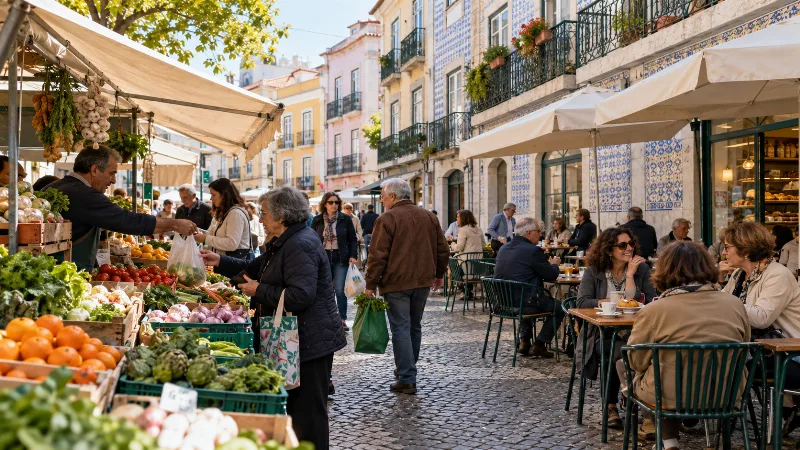
Explore daily routines in Portugal, from neighbourhood shopping and café culture to meal times, local services and community life.