
Bolo do Caco and Espetada Traditions in Madeira
Bolo do caco and espetada sit at the heart of Madeira's festive table: a soft sweet-potato flatbread baked on hot stone and beef grilled on a laurel skewer.
Bolo do caco and espetada are two of the most recognisable elements of Madeira's food culture, and they are very often eaten together. The first is a round, faintly sweet flatbread cooked on a hot stone slab; the second is beef threaded onto a stick of laurel and grilled over embers. Both are simple, rustic preparations that grew out of the island's own ingredients, and both are closely tied to the arraiais and saints' festivals that fill Madeira's calendar through the warmer months.
What bolo do caco actually is
Bolo do caco is a flatbread, not a loaf. It is made from wheat flour, water, salt and yeast, with mashed sweet potato worked into the dough — the ingredient that gives it a slightly moist crumb, a gentle sweetness and a pale golden colour. The name comes from the cooking surface: a caco, a flat piece of basalt or tile that is heated over a fire or in an oven. Traditionally the bread was baked directly on this hot stone, which produces a dry, faintly charred crust in a matter of minutes.
Shaped by hand into discs of roughly palm size, the dough is left to prove, then slapped onto the hot stone and turned once. Good bolo do caco is soft inside with a thin, slightly crisp exterior, and it is at its best eaten warm, within minutes of leaving the heat.
How it is served on the island
The most familiar presentation is with garlic butter. The split bread is spread generously with butter mixed with crushed garlic and parsley, and it arrives at the table still hot, often as a starter while other dishes are being prepared. It also works as a vehicle: a slice of chouriço, a piece of tuna, or a spoonful of limpets will often find its way inside. Because the bread is flat and sturdy, it makes a natural companion to grilled meat, and a basket of it is standard alongside espetada.
Bolo do caco is sold in bakeries, market stalls and small roadside stands across Madeira, and it remains one of the most portable expressions of the island's everyday cooking.
Espetada and the laurel skewer
Espetada is Madeira's signature grilled meat dish. Cubes of beef — traditionally cut from the shoulder or neck, though other cuts are used — are seasoned with coarse salt, garlic and black pepper and threaded onto a long skewer. What distinguishes the Madeiran version is the skewer itself: a branch of laurel, in Portuguese louro, cut fresh and used instead of metal. As the wood warms, it releases aromatic oils that scent the meat from the inside, so the flavour is subtly herbal rather than smoky alone.
The skewers are cooked over hot wood embers, turned steadily so the meat browns evenly without drying. The finished espetada is often brought to the table hanging from a hook or standing upright on a wooden board, so that the juices run down onto the rice, chips or fried maize below.
Where the tradition belongs
Espetada is strongly associated with the hillside parishes above Funchal, particularly Estreito de Câmara de Lobos and Curral das Freiras, where it is a fixture of village restaurants and family celebrations. It also has a following on Porto Santo, where the skewer is typically grilled in the open air and served in generous portions. Bolo do caco, meanwhile, is found all over the archipelago, though it is most closely linked to the fishing and farming communities of the south coast.
Festive meals and shared tables
The pairing comes into its own at local festivals, where long tables are set up in streets and squares and food is cooked in quantity. Espetada grilled on laurel skewers, warm bolo do caco spread with garlic butter, a simple salad, fried cornmeal (milho frito) and a glass of local wine make an unpretentious but deeply regional meal. Festivals honouring São João and other saints, harvest gatherings and family milestones all tend to follow this pattern.
For visitors, the two foods offer a compact introduction to Madeiran cooking: ingredients grown on the island, techniques inherited from rural households, and a style of eating built around sharing. Neither dish depends on refinement, and that is precisely what makes them durable.
Related content

Madeira
Explore Madeira through Funchal, dramatic mountains, levada walks, subtropical gardens, volcanic coastlines and distinctive Atlantic island landscapes.
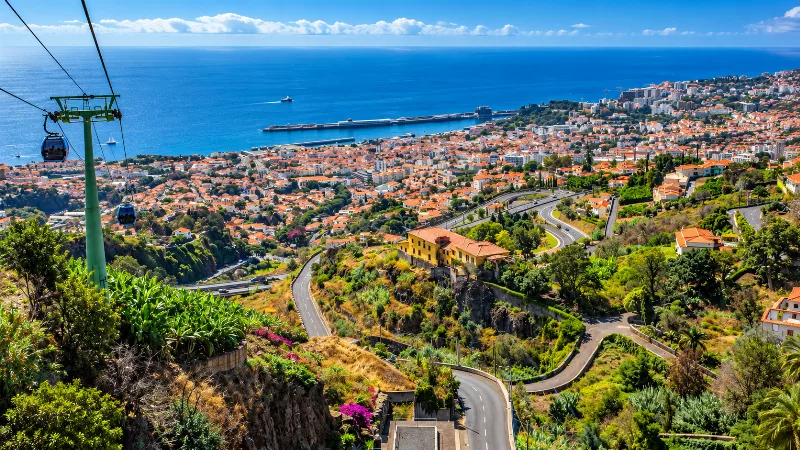
Funchal
Funchal is Madeira’s capital, combining a historic Atlantic port, steep green hillsides, gardens, markets and easy access to island landscapes.
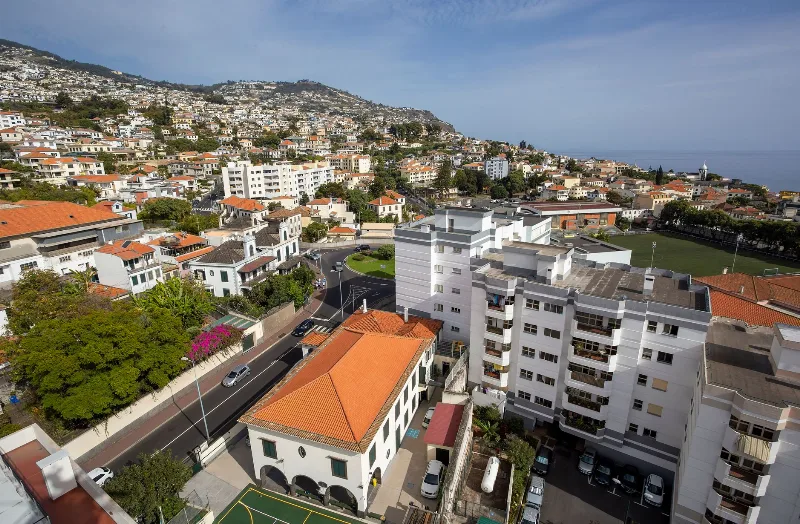
Funchal
Funchal, Madeira's capital, spreads from its Atlantic harbour up the slopes of a volcanic amphitheatre, combining a working port and historic quarters with gardens, wine lodges and access to the island's levada walks.
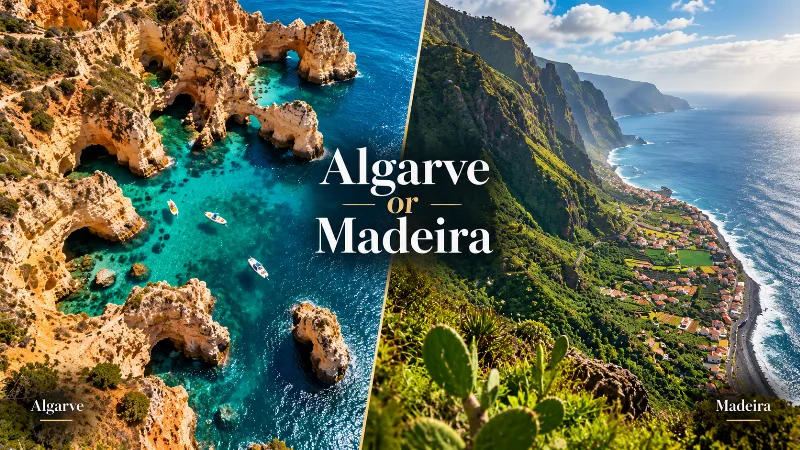
Algarve or Madeira: Which Is Better for Your Trip?
The Algarve and Madeira both offer warm-weather escapes, but they differ greatly in beaches, scenery, hiking, driving, towns and overall travel style.

Madeira or Azores: Which Islands Should You Choose?
Madeira and the Azores offer very different Atlantic island experiences, from hiking and volcanic scenery to weather, transport, towns and travel style.