
Pena Palace and Moorish Castle in Sintra's Wooded Hills
Sintra's Pena Palace and Moorish Castle occupy neighbouring hilltops, combining colourful Romantic architecture with medieval walls and lush woodland gardens.
Set in the wooded hills above Sintra, the Pena Palace and the Moorish Castle occupy two neighbouring crests of the Serra de Sintra. Together they create one of Portugal’s most distinctive historic landscapes, where palace architecture, medieval ruins and romantic gardens are held within the same dramatic setting. The area forms part of the Sintra Cultural Landscape, and its blend of built heritage and dense vegetation gives a visit a character quite unlike that of a single monument.
The hilltop setting above Sintra
Sintra lies where Atlantic influence meets a compact granite mountain range. Moist air from the ocean is caught by the hills, encouraging the deep green woodland that surrounds both monuments. Mist, sharp showers and sudden clearings are all part of the local weather, and they alter the views from the terraces and walls. On clearer days, the prospect extends over the town, the coastal plain and, in the distance, the Atlantic. The combination of elevated viewpoints, changing light and close-set woodland is central to the appeal of the area.
Pena Palace: Romantic architecture and terraces
The Palácio da Pena was created in the nineteenth century around the remains of an earlier monastery, under the patronage of Ferdinand II. It is one of the clearest expressions of Romantic architecture in Portugal, with domes, battlements, arched windows and painted façades that stand out against the trees. The exterior is deliberately varied: warm yellows and reds alternate with grey stone, and different sections suggest different architectural influences. Terraces and courtyards offer close views of the detailing as well as broad prospects over the Serra de Sintra. Inside, furnished rooms and tiled surfaces preserve something of the palace’s domestic character, though the gardens and outdoor spaces are just as important to the experience.
The Pena Park and its romantic gardens
Pena Park was conceived as a romantic landscape around the palace. Rather than following formal lines, its paths wind through groves of native oak and pine mixed with camellias, tree ferns and other exotic species. Shaded walks lead to viewpoints, small water features and quiet corners where the architecture appears framed by foliage. The gardens reward slow observation: mosses and lichens cover stonework, ferns gather in damp hollows, and the canopy changes with the seasons. This designed wildness is part of what distinguishes the Pena Palace gardens from conventional palace grounds.
Moorish Castle: walls and wooded approaches
The Castelo dos Mouros is a medieval fortification whose long stone walls follow the ridge beside the palace. Its origins lie in the period of Muslim rule in the Iberian Peninsula, and it later passed into Christian hands before losing its military importance. Today the ruined walls, stairways and towers form a rugged counterpoint to the colourful palace nearby. Walking along the battlements brings wide views over Sintra and the surrounding hills. The approach is through woodland, with granite outcrops and shady paths, so the castle is experienced as part of the forested landscape rather than as an isolated ruin.
A landscape for slow exploration
The two monuments can be linked on foot through the wooded hills, although the gradients are steep and the weather can change quickly. The paths encourage a slower pace: stops at viewpoints, attention to the texture of stone and vegetation, and time spent looking out between the trees. Birdlife and smaller woodland details add to the experience for those who watch closely. The gardens are especially attractive in mist or after rain, when the greens deepen and the palace and castle walls seem to emerge from the forest.
Cultural and natural value
Pena Palace, its gardens and the Moorish Castle show how architecture, woodland and topography can shape one another. The palace and its park reflect nineteenth-century Romantic taste, while the castle’s ruined walls belong to an older military landscape. Together they form a place where history is read through both stone and vegetation, and where the Serra de Sintra is as memorable as the buildings themselves.
Related content
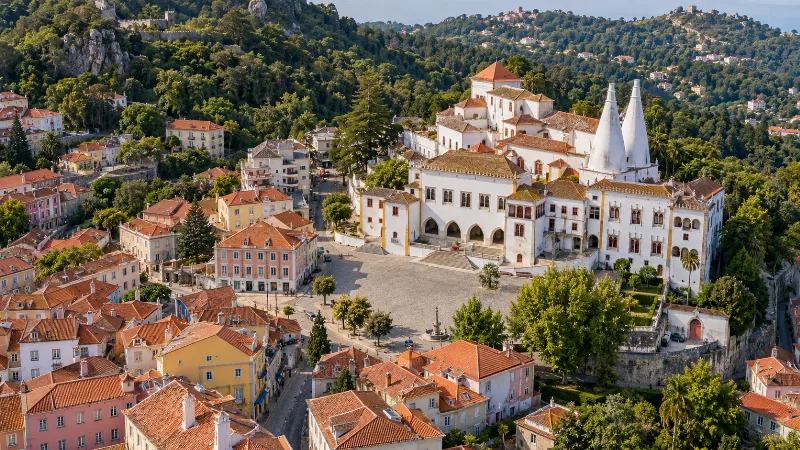
Sintra
Sintra combines hilltop palaces, wooded slopes, historic estates and a compact old town within easy reach of Lisbon.
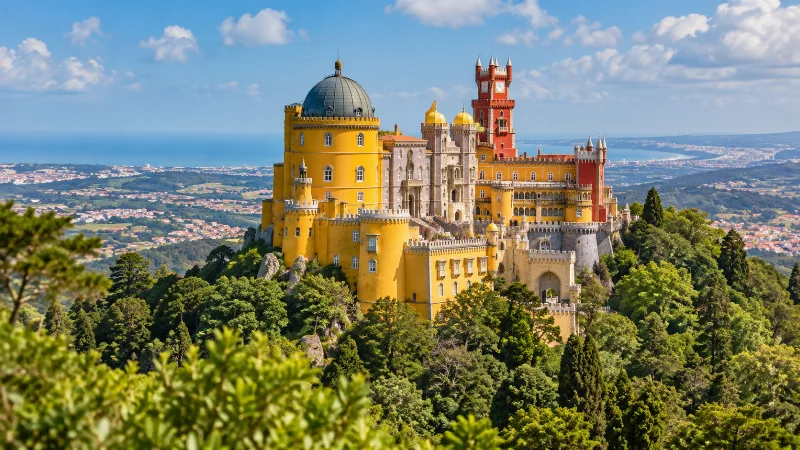
Spend a Day in Sintra
Plan a full day in Sintra with palaces, forested hills, historic streets and practical guidance for travelling from Lisbon.
Exploring the Palaces of Sintra
Explore exploring the palaces of sintra with a practical guide to notable places, regional landscapes, local heritage and travel planning in Portugal.
Best Things to Do in Sintra
Explore best things to do in sintra with a practical guide to notable places, regional landscapes, local heritage and travel planning in Portugal.
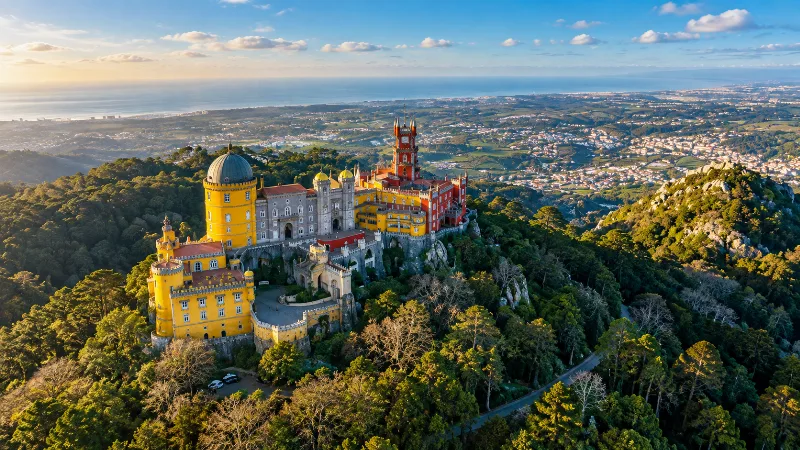
Lisbon Region
Explore Lisbon, Sintra, Cascais and Cabo da Roca through historic neighbourhoods, palaces, Atlantic scenery and easy day trips from the capital.
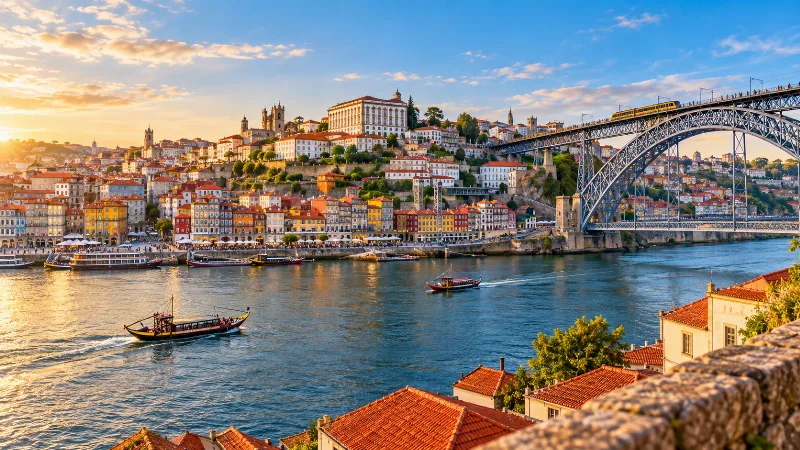
Portugal in 7 Days
A seven-day Portugal itinerary works best when it focuses on a small number of regions instead of trying to cover the entire country at speed.
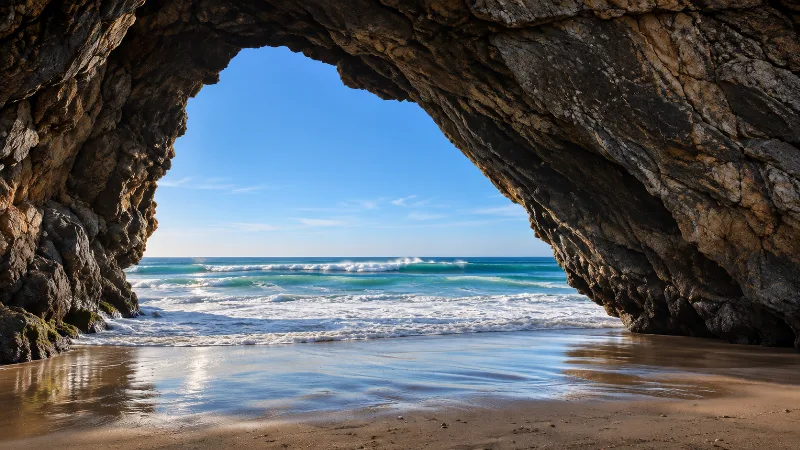
Praia da Adraga – Atlantic Scenery near Sintra
Praia da Adraga is a beach near Sintra, framed by rocky headlands, sculpted cliffs and Atlantic waves.
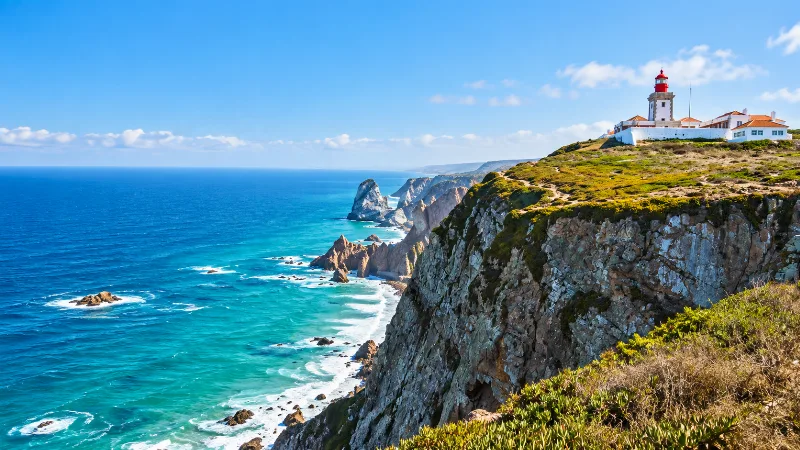
Cabo da Roca
Cabo da Roca is a dramatic Atlantic headland west of Lisbon, with high cliffs, open ocean views, exposed trails and rapidly changing coastal weather.