
Praia do Amado – Atlantic Waves and Rugged Coastal Scenery
Praia do Amado is an Atlantic-facing beach in the Aljezur area, distinguished by powerful surf and wild coastal scenery.
Praia do Amado is an Atlantic-facing beach in the Aljezur area, distinguished by powerful surf and wild coastal scenery. This guide focuses on the landscape, practical access considerations and ways to appreciate the natural setting responsibly.
Landscape and setting
the western Algarve near Aljezur and Carrapateira is recognised for a broad Atlantic beach backed by rugged cliffs. Rather than a constructed attraction, its principal interest lies in the natural relationship between land, water, climate and geology. Visitors can understand much of the setting simply by examining the shapes of the ground and the way the coastline or mountains frame the view. The character of the area is not static: weather, sun angle and seasonal vegetation can alter the experience substantially.
What makes the scenery distinctive
The defining visual detail is the meeting of open-ocean swell, long sandy stretches and layered cliff faces. This characteristic helps distinguish the place from other Portuguese destinations that may appear similar on a regional map. Look at the scene from more than one safe position where access is permitted; a wider perspective often reveals how the terrain is connected. Photographs may emphasize a single colour or formation, but the full landscape is broader than one familiar image.
Exploring the area
The usual visitor experience involves recognised beach approaches and coastal vantage points. The area is best appreciated without rushing from one photograph to another. Observe its different textures, the surrounding vegetation and the changing direction of light. A short stop can be satisfying, but allowing extra time helps reveal details that might be overlooked. Always follow the access arrangements in force on the day rather than assuming every path or viewpoint is open.
Natural context
The broader context includes the Costa Vicentina coastline, known for its comparatively wild Atlantic character. This connection is useful when planning a nature-focused itinerary: places along the same coast or on the same island can show distinct aspects of geological history, Atlantic weather and local ecology. The purpose of visiting need not be an intensive activity. Quiet observation from an approved location can often be the most appropriate way to experience sensitive or exposed environments.
Conditions and responsible visiting
One important practical consideration is that surf conditions vary and strong waves are not suitable for every swimmer. Visitor safety and environmental protection take priority over reaching a particular viewpoint. Stay on established routes, observe warning signs and carry away any waste. Coastal areas can be affected by tides, swell and unstable cliffs; inland mountain areas can be affected by poor visibility and changing trail conditions. Check the relevant current official notices when applicable.
Planning a visit
Observe sea conditions and beach safety information on arrival. A beach noted for surfing should not be assumed to have calm bathing water. Stay away from unstable cliff sections and follow any local restrictions. A flexible plan is preferable to relying on a precise photograph or a fixed expectation of colour and weather. The natural landscape itself is the main attraction, and no particular commercial service is required to appreciate its essential features. Visitors who prepare for the terrain and respect restrictions can enjoy the setting while helping preserve it for future trips.
Related content
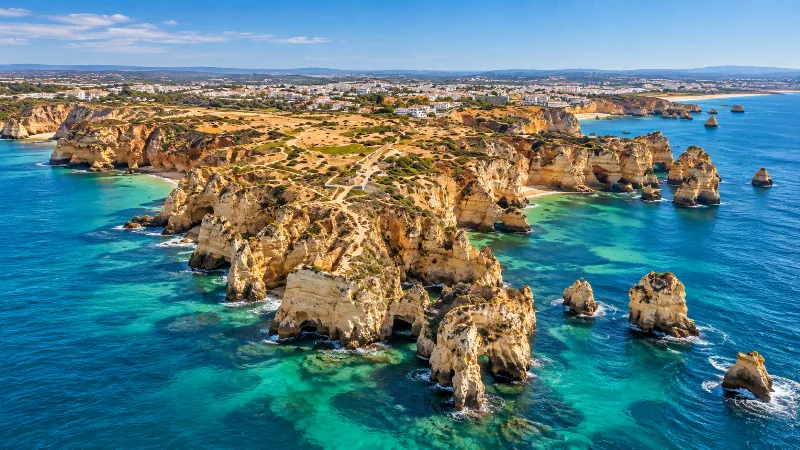
Algarve
Explore the Algarve through sandy beaches, limestone cliffs, Faro, Ria Formosa, coastal trails, historic towns and southern Portuguese landscapes.
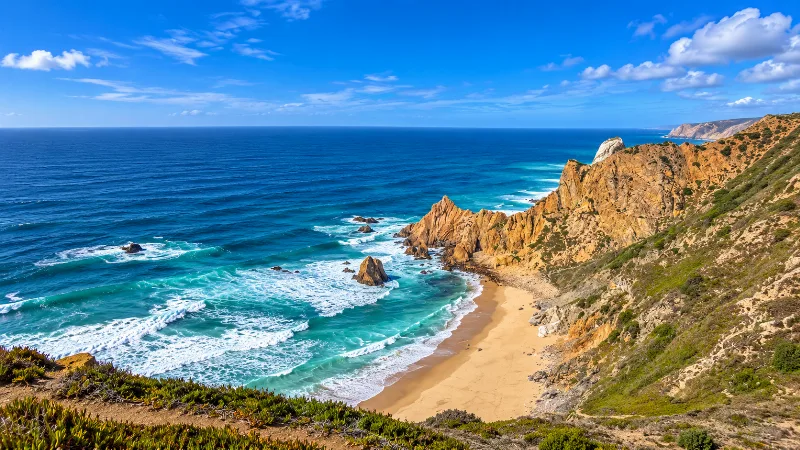
Costa Vicentina
Costa Vicentina is a rugged Atlantic coastline of cliffs, broad beaches, dunes and small settlements stretching through southwest Portugal.
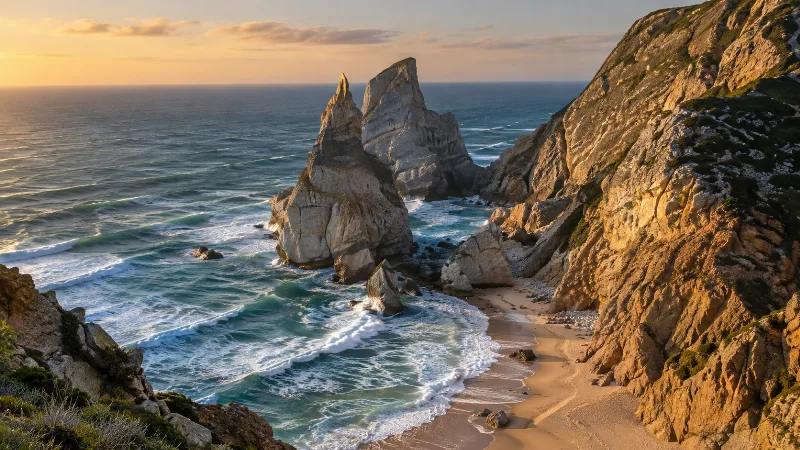
Praia da Ursa – A Wild Beach Beneath Atlantic Cliffs
Praia da Ursa is a striking undeveloped beach near Cabo da Roca, recognised for its sea stacks and demanding approach.
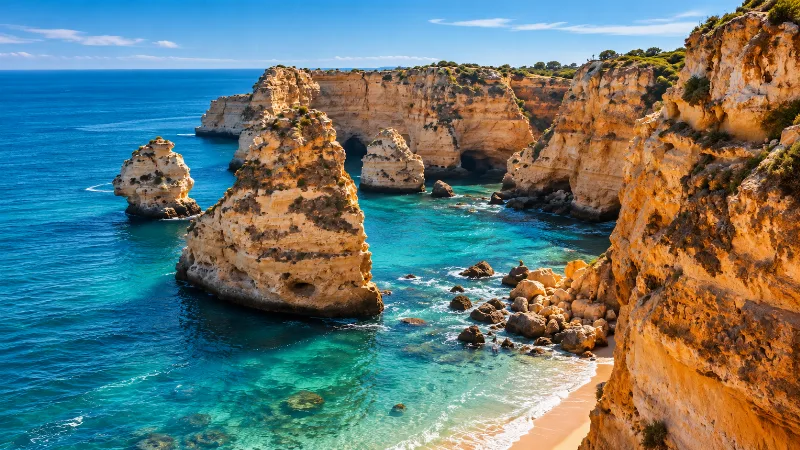
Praia da Marinha
Praia da Marinha is one of the Algarve’s most distinctive coastal landscapes, known for limestone cliffs, clear water, sea stacks and natural arches.
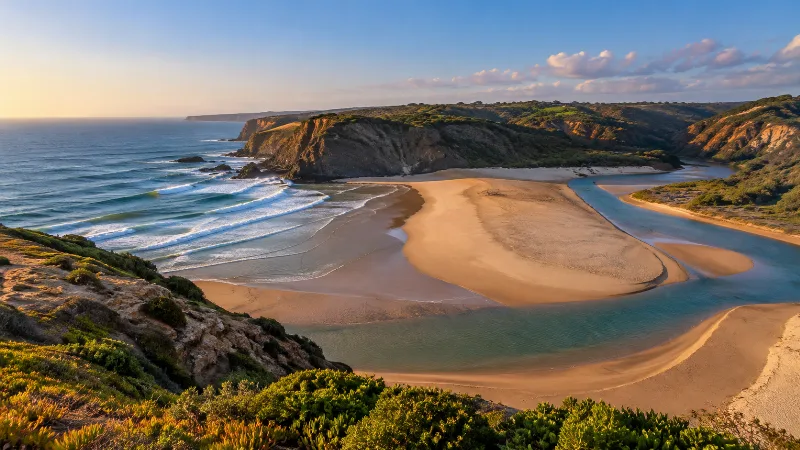
Praia de Odeceixe – Where the River Meets the Atlantic
Praia de Odeceixe sits at the mouth of the Seixe River, where a broad sandy beach connects river scenery with Atlantic surf.
Ponta da Piedade Clifftop Paths in the Western Algarve
The limestone headland of Ponta da Piedade, just south of Lagos, is threaded with clifftop paths above sea stacks, arches and hidden grottoes. This guide explains the geology, the walking routes and the natural detail that make the headland distinctive.