
How to Visit Portugal’s Islands from the Mainland
Understand mainland-to-island journeys for Madeira and the Azores.
Understand mainland-to-island journeys for Madeira and the Azores. This guide focuses on practical choices that help visitors explore Portugal at a sensible pace, while accounting for the differences between cities, regions and seasons.
Two archipelagos, different journeys
Madeira and the Azores are Portuguese island groups in the Atlantic, with distinct landscapes and travel patterns. Madeira is known for mountainous terrain, dramatic coastlines and levada routes. The Azores include volcanic lakes, green hills and multiple islands. Neither should be treated as an easy add-on to a mainland city visit without accounting for flights, local transfers and weather. Decide what kind of scenery and activity you want before choosing the islands.
Flying from the mainland
Air travel is the standard practical way to reach Madeira and the Azores from mainland Portugal. Routes, frequencies and operating schedules vary by season and destination. Check airline and airport information directly for current services and baggage rules. Consider the total journey from the departure city to your accommodation, including local airport transfers. If connections are involved, allow adequate time and avoid fragile same-day schedules.
Moving between islands
The Azores are an archipelago of separate islands, and visiting more than one requires additional transport planning. Inter-island options depend on the specific islands and season; air and sea links have different operational constraints. Madeira and nearby Porto Santo also require their own transport arrangements. Check the relevant operator’s current service before promising yourself a rapid multi-island itinerary.
Weather is part of the itinerary
Atlantic island weather can change quickly and may vary between adjacent areas. Clouds can obscure panoramic viewpoints, while wind can affect outdoor activity and transport. Build spare time into the schedule, especially when connecting between islands or returning to the mainland for an important departure. Consult official forecasts and local trail notices before hiking. A flexible island journey is often more satisfying than a packed sequence of fixed appointments.
Choose depth over counting islands
A first island visit may be more rewarding with one strong base and carefully selected excursions. Mountain walks, volcanic sites, coastal viewpoints and cultural towns all need different amounts of time. Consider your comfort with winding roads and exposed trails. Respect protected areas and access restrictions. The islands reward attention to their individual environments rather than a fast checklist built solely around flight availability.
Practical planning checks
Before departure, compare your intended route with current official information for the places involved. Check opening arrangements for cultural sites, route notices for natural areas, and the applicable transport timetables for the exact travel date. The same plan can work differently in a busy summer weekend, a rainy winter weekday or a public holiday. Keep essential addresses and connections available offline, allow space for an alternative activity and adjust the schedule when local conditions differ from expectations. For how to visit portugal’s islands from the mainland, reliable local information and a realistic daily pace are more useful than trying to follow a rigid checklist.
For island travel, identify which attractions depend strongly on clear visibility and keep those activities flexible. A cloud-covered mountain viewpoint may look entirely different a few hours later. When planning inter-island transfers, protect the time needed to reach the airport or port and confirm notices on the day.
Related content
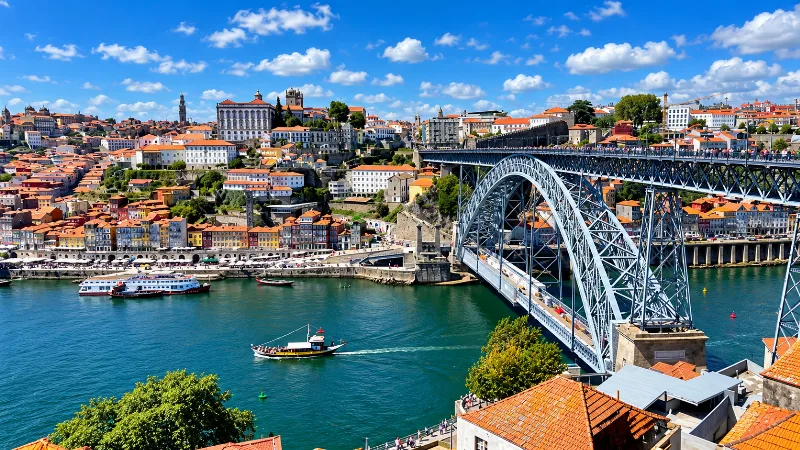
Porto
Porto is a compact northern city of steep streets, granite architecture, riverfront views, historic districts and strong local character.

Getting Around Portugal
Portugal is easy to explore with a mix of trains, buses, metro systems, ferries, domestic flights and rental cars, depending on the route.
Berlengas Archipelago Cliffs and Fortress
The Berlengas archipelago off Peniche combines granite cliffs, important seabird colonies and the historic Fortress of São João Baptista in a protected Atlantic setting.
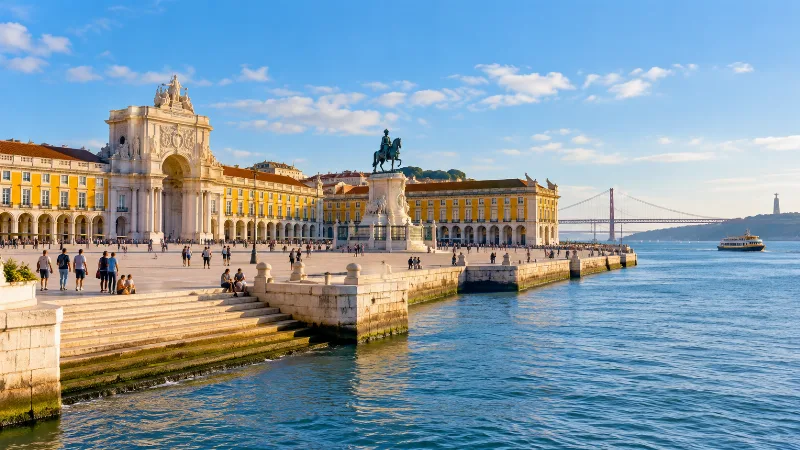
Portugal Travel Tips
Practical Portugal travel tips covering transport, weather, walking, payments, timing, local customs, safety and planning for different regions.
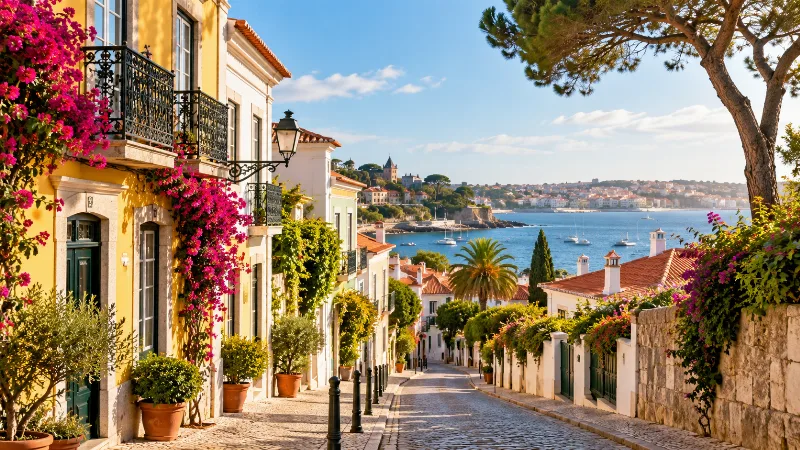
Places to Live in Portugal
Portugal offers very different living environments, from Lisbon and Porto to smaller cities, Atlantic islands, coastal towns and quieter inland regions.
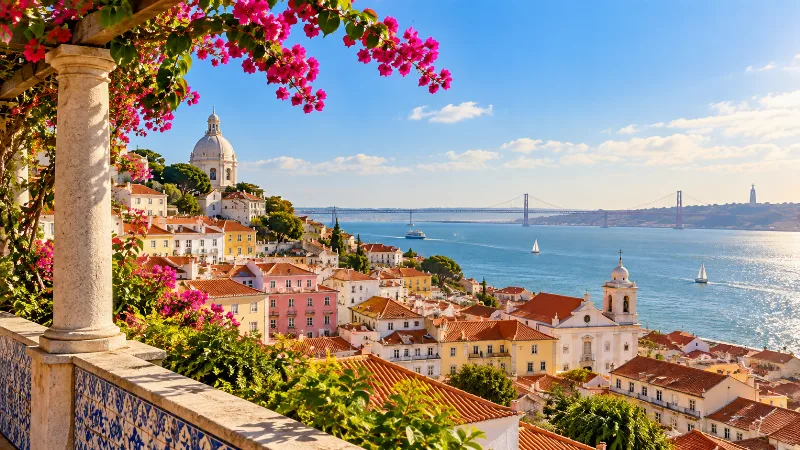
Best Time to Visit Portugal
Portugal can be visited year-round, but the best time depends on region, weather, crowd levels, outdoor plans and the type of trip you want.