
Portugal for Nature Lovers: How to Plan Your Trip
Combine Portugal’s coastal, mountain and island environments in a nature-focused itinerary.
Combine Portugal’s coastal, mountain and island environments in a nature-focused itinerary. This guide focuses on practical choices that help visitors explore Portugal at a sensible pace, while accounting for the differences between cities, regions and seasons.
Decide what nature means to you
Portugal offers contrasting outdoor settings: Atlantic cliffs, estuaries, forests, mountains, volcanic lakes and islands. A trip centered on birdlife and wetlands will look different from one built around hikes and highland scenery. Identify the habitats or activities that interest you most before choosing destinations. This prevents an itinerary from becoming a series of long transfers between unrelated natural landmarks.
Mainland landscapes
Peneda-Gerês in northern Portugal offers mountainous scenery and traditional rural surroundings, while Serra da Estrela provides another highland experience. The Ria Formosa area in the south is known for coastal wetlands and lagoon landscapes. Along the southwest coast, cliffs, beaches and exposed walking routes create a different environment. Each landscape has its own weather, access arrangements and conservation requirements that should be checked before visiting.
Island environments
Madeira’s Laurissilva forest and steep coastal terrain offer experiences distinct from the volcanic lakes and green slopes of the Azores. Weather can change rapidly and marked routes may be temporarily restricted. Do not assume that an apparently short trail is easy; elevation, exposure and ground conditions matter. When planning several outdoor activities, allow a backup day in case clouds, rain or strong wind affect the chosen route.
Travel with minimal impact
Remain on permitted paths, carry waste away and respect wildlife from a distance. Fragile dunes, cliff vegetation and protected nesting habitats are easily damaged by shortcuts. Avoid loud activity that disturbs animals or other visitors. Check whether an area has seasonal access rules or visitor limits. Nature travel is more rewarding when visitors understand the place and help preserve it rather than treating every landscape as an unrestricted photo location.
Prepare according to conditions
Carry appropriate footwear, water, weather protection and a reliable route description. Tell someone about plans in remote areas and verify the available emergency coverage. Official forecasts, trail closures and fire-risk information matter more than attractive photographs of a location in ideal weather. Balance more demanding days with gentle coastal or garden visits. A well-designed nature trip matches personal fitness and experience to terrain.
Practical planning checks
Before departure, compare your intended route with current official information for the places involved. Check opening arrangements for cultural sites, route notices for natural areas, and the applicable transport timetables for the exact travel date. The same plan can work differently in a busy summer weekend, a rainy winter weekday or a public holiday. Keep essential addresses and connections available offline, allow space for an alternative activity and adjust the schedule when local conditions differ from expectations. For portugal for nature lovers: how to plan your trip, reliable local information and a realistic daily pace are more useful than trying to follow a rigid checklist.
Photographers and walkers should consider that the best-looking light does not necessarily arrive during the safest trail conditions. A foggy ridge may have limited visibility, while coastal tide changes can alter access. Select viewpoints with legal, marked approaches, and prioritize conditions over the chance of obtaining a particular image.
Related content
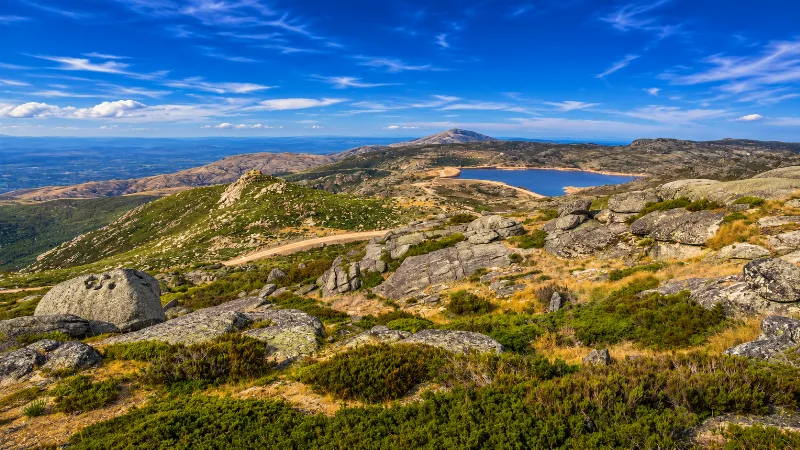
Serra da Estrela
Serra da Estrela is mainland Portugal’s highest mountain range, with granite plateaus, glacial valleys, villages, hiking routes and dramatic seasonal weather.
Exploring the Serra da Estrela Mountains
Explore exploring the serra da estrela mountains with a practical guide to notable places, regional landscapes, local heritage and travel planning in Portu
Serra da Estrela Granite Landscape and Glacial Valley
The highest ground in mainland Portugal is a weathered granite massif where ice once carved cirques, trough valleys and moraines. The Zêzere valley preserves some of the clearest glacial scenery in the country.
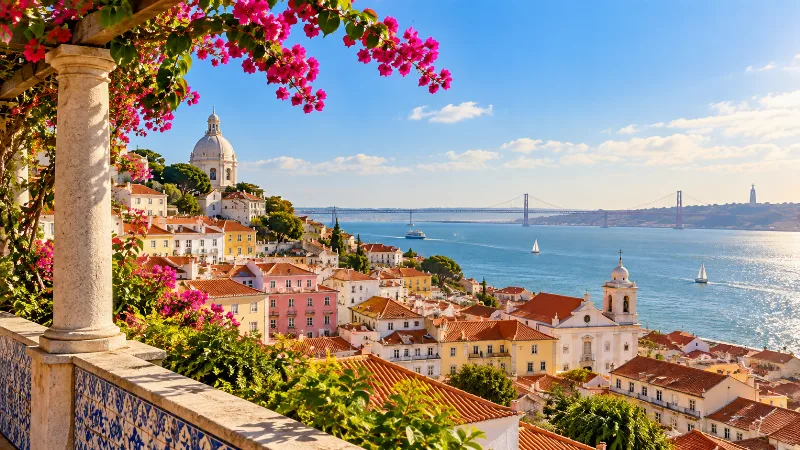
Best Time to Visit Portugal
Portugal can be visited year-round, but the best time depends on region, weather, crowd levels, outdoor plans and the type of trip you want.
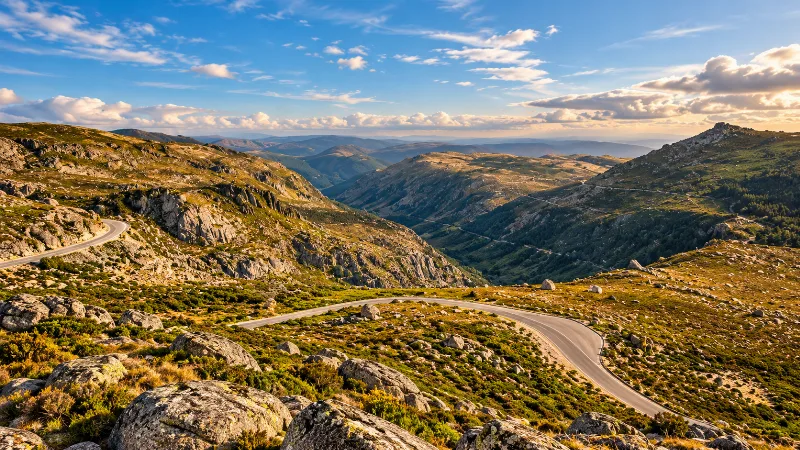
Central Portugal
Discover Coimbra, Aveiro, Serra da Estrela, Atlantic landscapes, mountain villages and the varied historic and natural scenery of central Portugal.
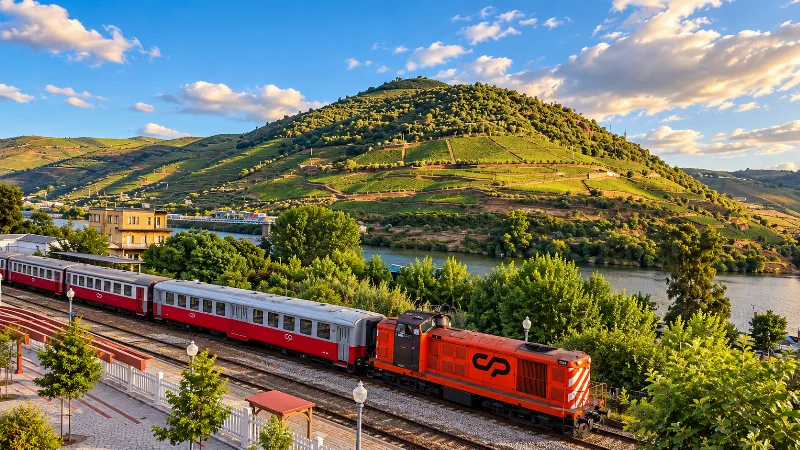
Portugal Without a Car: How Easy Is It?
Portugal can be explored without a car if you focus on major cities and rail corridors, but rural regions, remote beaches and mountains require more planning.