
Portugal in 10 Days: How to Organize Your Itinerary
Balance Lisbon, Porto and a third region with manageable transfers over ten days.
Balance Lisbon, Porto and a third region with manageable transfers over ten days. This guide focuses on practical choices that help visitors explore Portugal at a sensible pace, while accounting for the differences between cities, regions and seasons.
Establish priorities before choosing cities
Ten days is enough for a varied mainland visit but not for every region and island. A strong itinerary starts with a clear emphasis: culture, coast, food traditions, hiking or a balanced mix. Lisbon and Porto offer different urban histories and landscapes, while the Algarve, Douro Valley and Alentejo contribute contrasting scenery. Choose a third region based on what you most want to experience rather than simply adding destinations because they are popular.
Begin with Lisbon
Allow several days to discover Lisbon at neighborhood level. The city is built on slopes, and walking routes can involve steps and uneven paving. Group nearby sights and consider where public transportation makes sense. Belém, the old quarters and the riverfront each offer a different perspective, but they need not all be rushed into one day. A nearby outing to Sintra requires its own transport and time planning.
Continue to Porto
Travel north at a sensible hour so the transfer does not consume all of the day. Porto rewards walking beside the Douro, exploring its historic streets and observing the city’s topography from different banks of the river. Rain is possible even during generally favorable travel periods, so alternate outdoor time with indoor cultural visits. Another day can be set aside for nearby landscapes if the schedule allows.
Pick a contrasting final region
For cliffs and beaches, the Algarve changes the pace. For rural scenery and historic towns, Alentejo provides another option; for vineyard-covered valleys, consider the Douro region. The choice affects travel times and whether public transportation can support the activities you want. A rental vehicle is not essential for all routes, but isolated viewpoints and countryside stops often need more planning without one.
Use the last days intelligently
Avoid scheduling the longest transfer immediately before a time-sensitive flight or train. Confirm that the final night places you within easy reach of departure. Leave at least one lighter day for weather changes and unexpected interests. A ten-day route succeeds by balancing depth and variety, not by accumulating overnight stops. Share the itinerary with traveling companions and adjust the pace to the slowest comfortable walker.
Practical planning checks
Before departure, compare your intended route with current official information for the places involved. Check opening arrangements for cultural sites, route notices for natural areas, and the applicable transport timetables for the exact travel date. The same plan can work differently in a busy summer weekend, a rainy winter weekday or a public holiday. Keep essential addresses and connections available offline, allow space for an alternative activity and adjust the schedule when local conditions differ from expectations. For portugal in 10 days: how to organize your itinerary, reliable local information and a realistic daily pace are more useful than trying to follow a rigid checklist.
Related content
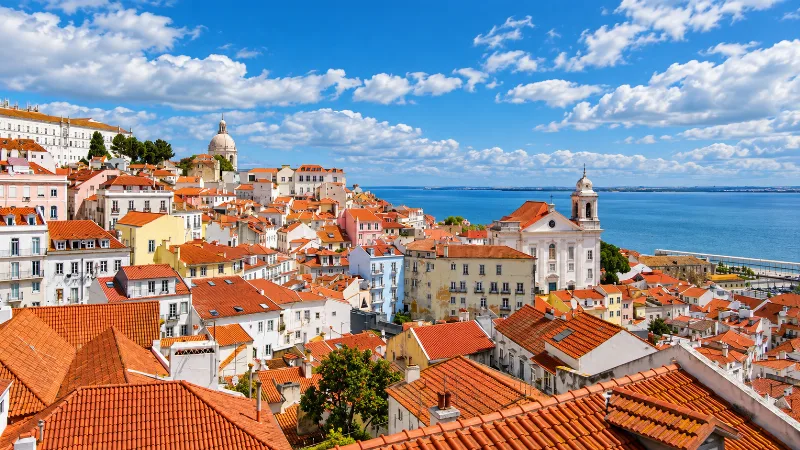
Lisbon
Portugal’s capital combines historic neighbourhoods, river views, tiled façades, viewpoints and an energetic everyday city life.
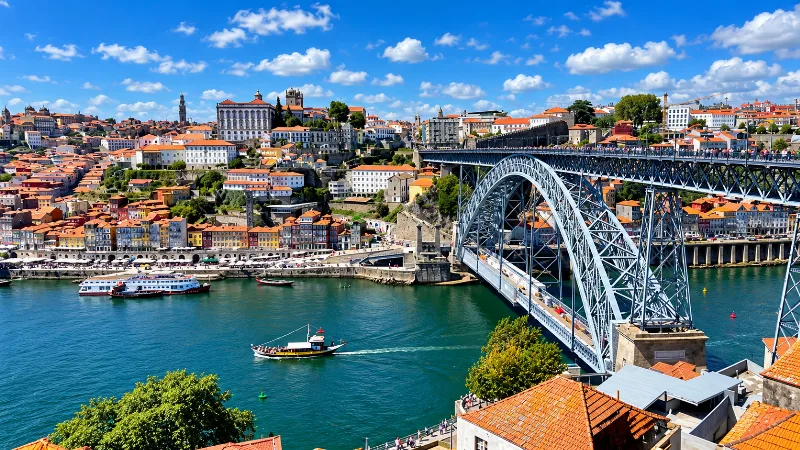
Porto
Porto is a compact northern city of steep streets, granite architecture, riverfront views, historic districts and strong local character.
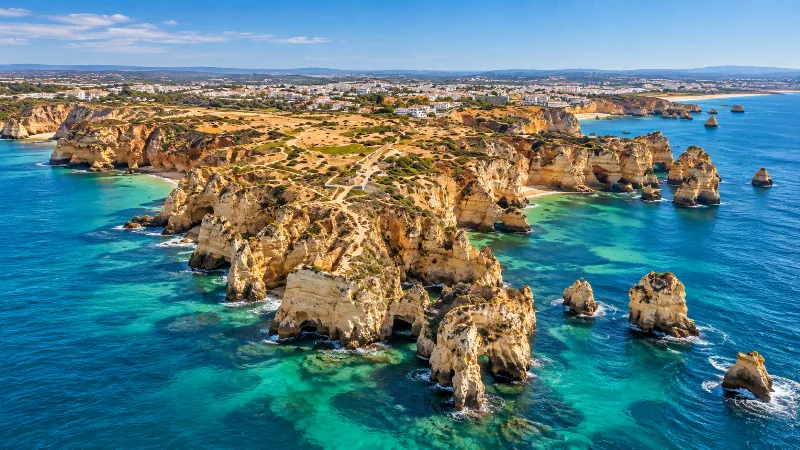
Algarve
Explore the Algarve through sandy beaches, limestone cliffs, Faro, Ria Formosa, coastal trails, historic towns and southern Portuguese landscapes.
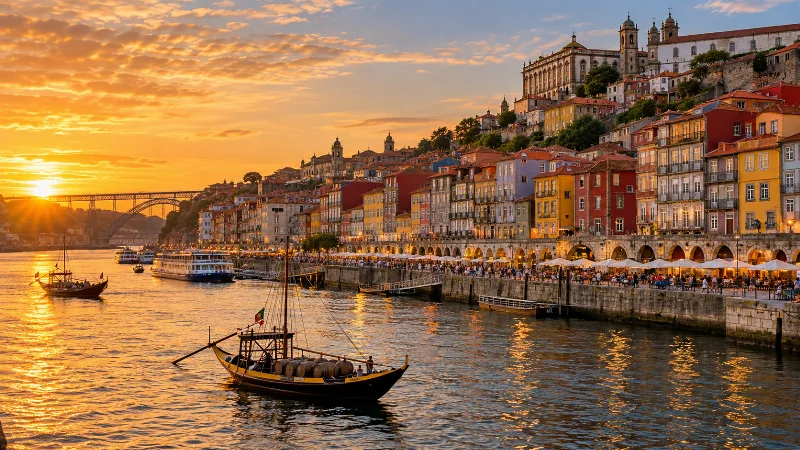
How to Plan a 7-Day Trip to Portugal
Organize one week in Portugal without making every day a race between destinations.
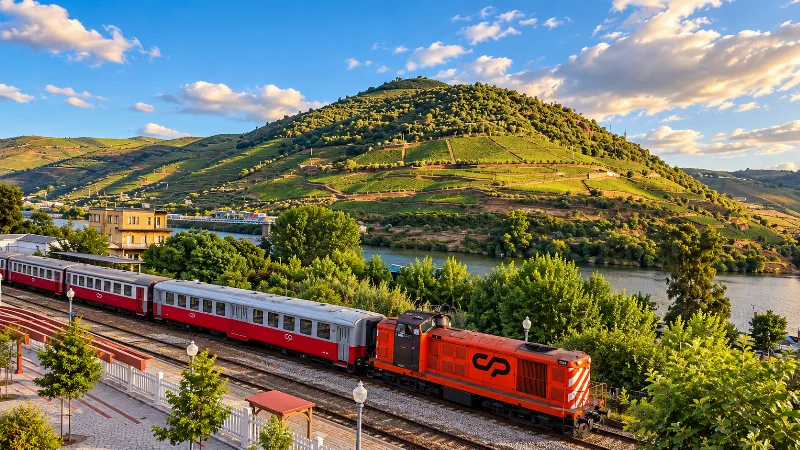
Portugal Without a Car: How Easy Is It?
Portugal can be explored without a car if you focus on major cities and rail corridors, but rural regions, remote beaches and mountains require more planning.
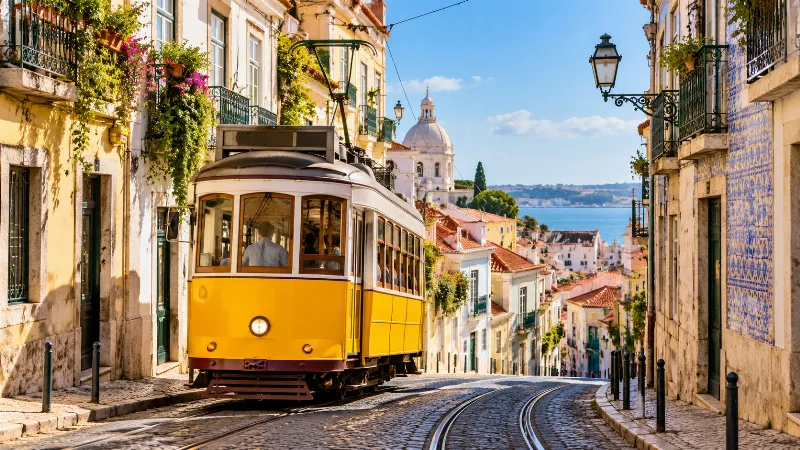
Getting Around Portugal
Portugal is easy to explore with a mix of trains, buses, metro systems, ferries, domestic flights and rental cars, depending on the route.