
Portugal in Winter: What to Expect
Discover seasonal travel conditions, city experiences and winter landscapes in Portugal.
Discover seasonal travel conditions, city experiences and winter landscapes in Portugal. This guide focuses on practical choices that help visitors explore Portugal at a sensible pace, while accounting for the differences between cities, regions and seasons.
Winter varies across the country
Mainland Portugal generally has cooler temperatures and shorter days in winter, but conditions are not uniform. Northern and western areas often see more rainfall than the southern mainland, while high elevations can be much colder. Coastal wind may make outdoor stops feel chilly. The islands follow different weather patterns and can experience rapidly changing local conditions. Check current regional forecasts before outdoor excursions.
City visits remain rewarding
Lisbon and Porto have museums, historic architecture, public spaces and neighborhood walks that can fit a winter itinerary. Shorter daylight hours encourage planning key outdoor views earlier in the day. Have an indoor alternative for periods of persistent rain. Slippery pavements and stone stairs deserve care in wet weather. Quieter times can make it easier to explore at a measured pace, though opening arrangements still need checking.
Nature requires extra planning
Mountain walks should be matched to daylight, trail conditions and the weather forecast. Snow or ice may affect high parts of Serra da Estrela; elsewhere, rain can make pathways muddy and rivers faster-flowing. Coastal headlands may be exposed to strong winds and heavy surf. Never treat a scenic winter walk as routine solely because a summer travel guide describes it as easy.
What to bring
Pack layers that can be adjusted as conditions change, a waterproof outer garment and walking shoes with dependable grip. Accommodation heating arrangements may differ from travelers’ expectations, so investigate practical features if comfort is a concern. Carry a compact umbrella where appropriate, but remember it may be ineffective on very windy coasts. A small waterproof pouch helps protect a phone and other essentials during sudden showers.
Keep the schedule flexible
Winter travel is best approached with adaptable daily plans instead of fixed expectations of sunshine. Monitor official forecasts, daylight and transport notices, especially when traveling into remote regions. Seasonal hours may differ at smaller attractions and visitor facilities. Portugal in winter offers its own atmosphere: green countryside in many areas, quieter historic streets and dramatic skies, provided the plan respects weather and shorter days.
Practical planning checks
Before departure, compare your intended route with current official information for the places involved. Check opening arrangements for cultural sites, route notices for natural areas, and the applicable transport timetables for the exact travel date. The same plan can work differently in a busy summer weekend, a rainy winter weekday or a public holiday. Keep essential addresses and connections available offline, allow space for an alternative activity and adjust the schedule when local conditions differ from expectations. For portugal in winter: what to expect, reliable local information and a realistic daily pace are more useful than trying to follow a rigid checklist.
For destinations with short daylight hours, decide in advance where a safe walk ends rather than beginning a remote route late in the afternoon. Keep a second plan close to transport connections. When the forecast improves, a riverside walk or historic district can replace an indoor activity without adding a long transfer.
Related content
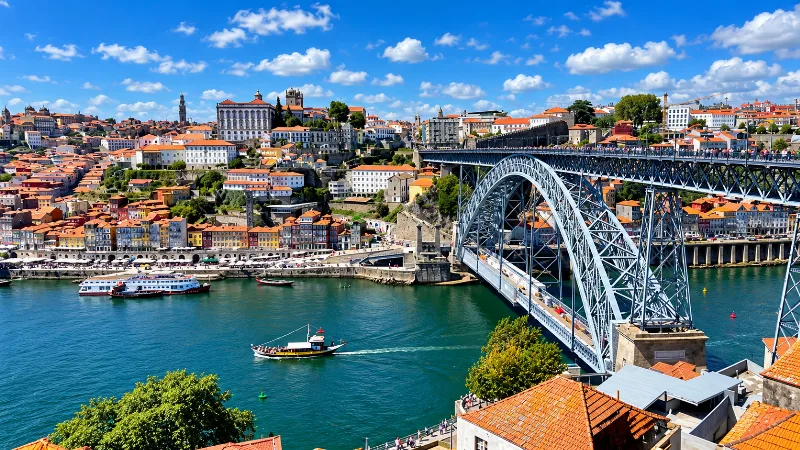
Porto
Porto is a compact northern city of steep streets, granite architecture, riverfront views, historic districts and strong local character.
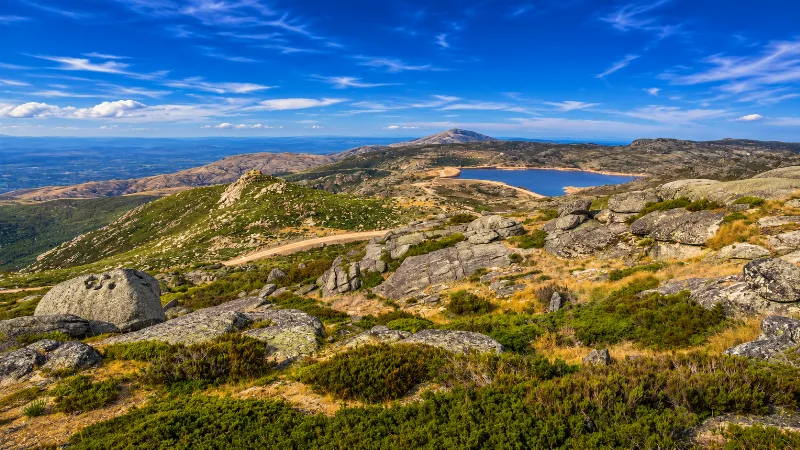
Serra da Estrela
Serra da Estrela is mainland Portugal’s highest mountain range, with granite plateaus, glacial valleys, villages, hiking routes and dramatic seasonal weather.
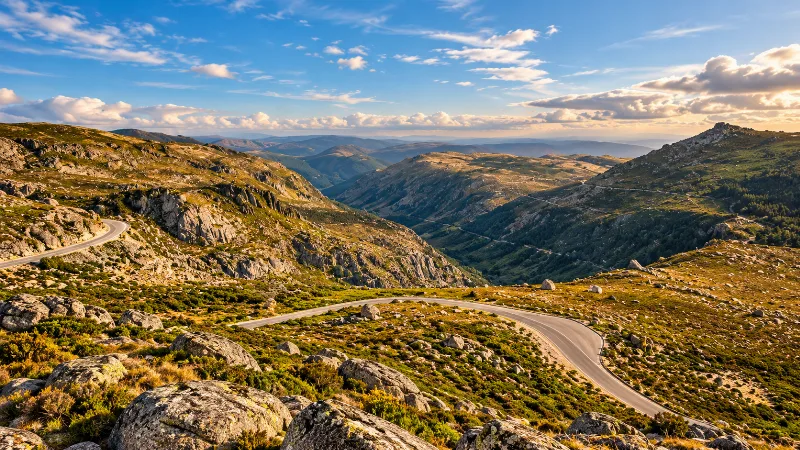
Central Portugal
Discover Coimbra, Aveiro, Serra da Estrela, Atlantic landscapes, mountain villages and the varied historic and natural scenery of central Portugal.
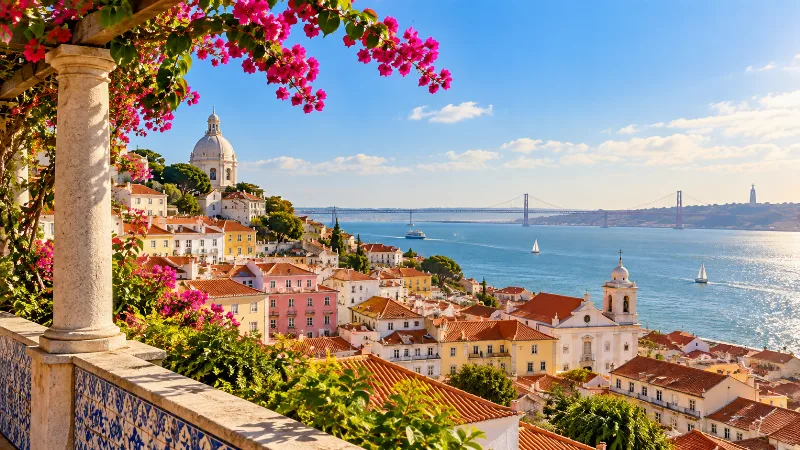
Best Time to Visit Portugal
Portugal can be visited year-round, but the best time depends on region, weather, crowd levels, outdoor plans and the type of trip you want.
Serra da Estrela Granite Landscape and Glacial Valley
The highest ground in mainland Portugal is a weathered granite massif where ice once carved cirques, trough valleys and moraines. The Zêzere valley preserves some of the clearest glacial scenery in the country.
Exploring the Serra da Estrela Mountains
Explore exploring the serra da estrela mountains with a practical guide to notable places, regional landscapes, local heritage and travel planning in Portu