
Furnas Valley Hot Springs and Volcanic Gardens
Furnas occupies the floor of a volcanic caldera on São Miguel, where steam vents, warm mineral springs and dense gardens shape daily life. The valley combines active geothermal features with botanical collections and a crater lake.
Furnas is a parish in the municipality of Povoação, on the eastern side of São Miguel in the Azores, and it lies on the floor of a broad volcanic caldera. Steam rises from crevices at the edge of the village, warm water seeps through the soil, and the surrounding gardens grow with a lushness that seems out of step with the latitude. Active geothermal features, historic plant collections and a crater lake sit within a few kilometres of one another, which gives the valley a character found nowhere else in the archipelago.
A Village Inside a Caldera
The Furnas valley is the interior of a large collapsed volcanic structure, roughly seven kilometres across, formed through successive eruptions over many thousands of years. The most recent eruption took place in the seventeenth century, and the landscape still carries clear traces of that activity. The village itself is made up of low houses with dark basalt walls and whitewashed fronts, gathered around a parish church and a small square, with pasture and hedged fields rising towards the crater rim.
Rainfall is high and the air is humid, so the ground stays green throughout the year. Hydrangeas line the roads in summer, Japanese cedars and tree ferns stand in the gardens, and the scent of sulphur drifts across parts of the valley when the wind turns. The rim of the caldera forms a natural boundary; from the higher viewpoints the village appears small against the wooded slopes and the water below.
Fumaroles, Mud Pools and Mineral Springs
At the western edge of the village, the Caldeiras area is the most visible expression of the valley's underground heat. Fumaroles release steam through cracks in the rock, pools of grey mud bubble slowly at the surface, and water emerges at temperatures close to boiling. Wooden walkways keep visitors at a safe distance while allowing a close view of the vents and the mineral crusts that form around them.
The springs are not uniform. Some are strongly ferruginous, leaving reddish-brown stains on the stones, others are carbonated or mildly sulphurous, and each has been used locally for different purposes over the centuries. Bottled mineral waters from Furnas have long been known elsewhere in Portugal, and the older spring houses remain part of the village scene. Visitors are advised to stay on marked paths and to test water temperature carefully where bathing is permitted.
Terra Nostra Park and Its Thermal Pool
Terra Nostra is the best known of the valley's gardens. It was begun in the late eighteenth century by Thomas Hickling, an American consul who built a summer house here, and was later enlarged in the nineteenth century by the Azorean landowner and plantsman José do Canto. The result is a garden of considerable scale, laid out with formal box hedges and parterres near the entrance before giving way to winding paths, streams and dense woodland.
The collection is strong on camellias, cycads, tree ferns and conifers, including a celebrated avenue of Japanese cedars and a ginkgo that turns gold in autumn. At the centre lies a large open-air pool filled with iron-rich thermal water, opaque and ochre-coloured, gently warm and surrounded by stone edging and shaded paths. The combination of botanical order and geothermal heat makes the park unusual among European gardens.
Lagoa das Furnas and the Lakeside Chapel
A short distance from the village, the Lagoa das Furnas occupies another part of the caldera floor. The lake is calm and shallow-looking, fringed with reeds and woodland, and a walking trail follows much of its shore. On the southern bank stands the Chapel of Nossa Senhora das Vitórias, a small nineteenth-century building commissioned by José do Canto, built in dark volcanic stone with a slender spire that reflects in the water.
Fumaroles also break through the ground near the northern shore, where the soil is warm enough to cook food. Water lilies and other aquatic plants spread across parts of the lake, and the surrounding woods shelter a range of small birds. The walk around the water is gentle and takes in several quiet viewpoints.
Cozido das Furnas and Local Food Culture
The valley's geothermal heat is used for cooking as well as bathing. Cozido das Furnas is a slow-cooked stew of pork, beef, chicken, sausages, cabbage, kale, potatoes, carrots and taro, assembled in a large pot and buried in the hot ground near the lake for several hours. The earth does the work, and the result is a deep, savoury broth with vegetables that hold their shape.
The dish belongs to the wider Portuguese tradition of cozido, but the method of cooking is specific to this valley and tied directly to its geology. It is served in local establishments, usually at midday, and remains a point of local pride rather than a restaurant gimmick.
Paths, Viewpoints and Gardens
Walking is the best way to understand how closely the settlement, the gardens and the geothermal areas sit together. Footpaths link the village to the Caldeiras, the lake and the park, and short trails lead through woodland and along hedged lanes. The Pico do Ferro viewpoint on the caldera rim gives a wide view over the lake and the valley floor, showing the scale of the crater and the patchwork of fields within it.
Garden visiting, birdwatching and quiet roadside observation all reward time spent here. Furnas is a place where the ground itself is part of the landscape, and where the gardens, the cooking and the warm springs all derive from the same volcanic source.
Related content
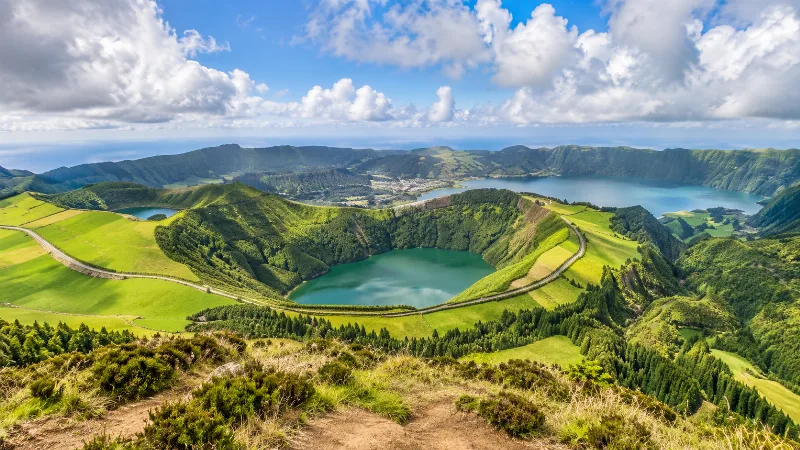
Azores
Discover the Azores through volcanic islands, crater lakes, green landscapes, Atlantic coastlines, hiking, wildlife and distinctive island communities.
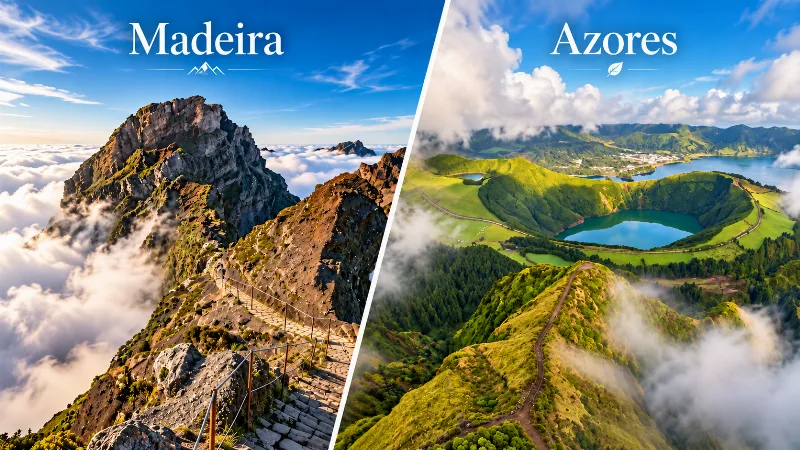
Madeira or Azores: Which Islands Should You Choose?
Madeira and the Azores offer very different Atlantic island experiences, from hiking and volcanic scenery to weather, transport, towns and travel style.
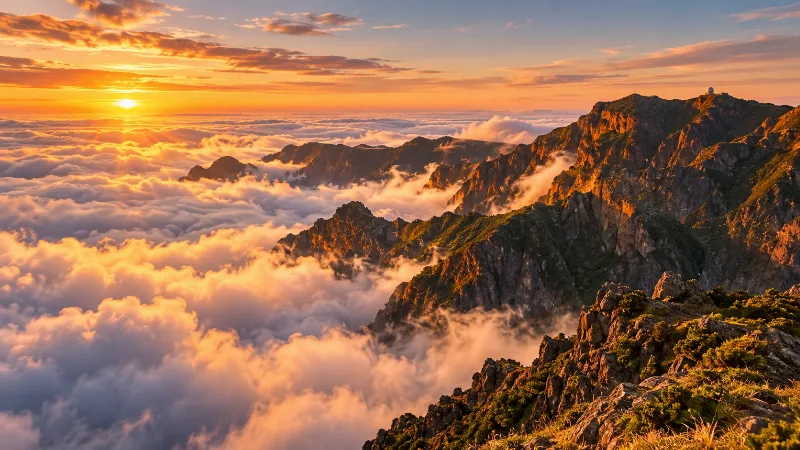
Madeira
Explore Madeira through Funchal, dramatic mountains, levada walks, subtropical gardens, volcanic coastlines and distinctive Atlantic island landscapes.
Exploring the Island of São Miguel
Explore exploring the island of são miguel with a practical guide to notable places, regional landscapes, local heritage and travel planning in Portugal.
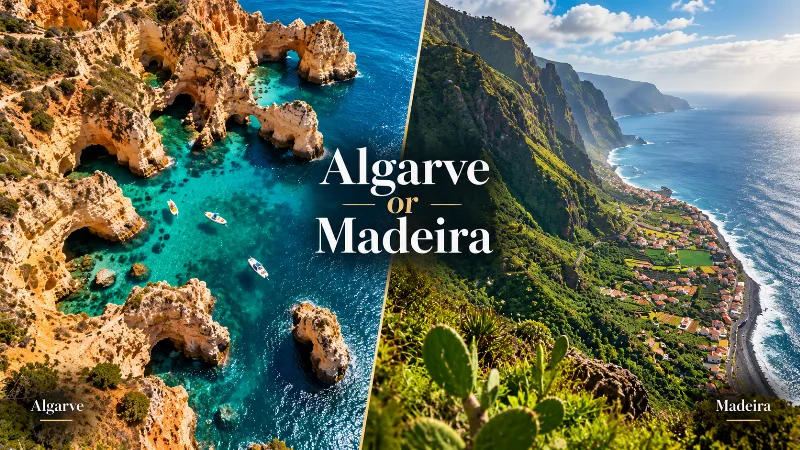
Algarve or Madeira: Which Is Better for Your Trip?
The Algarve and Madeira both offer warm-weather escapes, but they differ greatly in beaches, scenery, hiking, driving, towns and overall travel style.
Best Beaches on São Miguel Island
Explore best beaches on são miguel island with a practical guide to notable places, regional landscapes, local heritage and travel planning in Portugal.
Madeira's Levada Trails and Laurel Forest
Madeira's levadas are narrow water channels that thread through the island's mountains, and the paths beside them lead walkers into the Laurisilva, a UNESCO-listed laurel forest of mist, moss and ancient trees.
Funchal
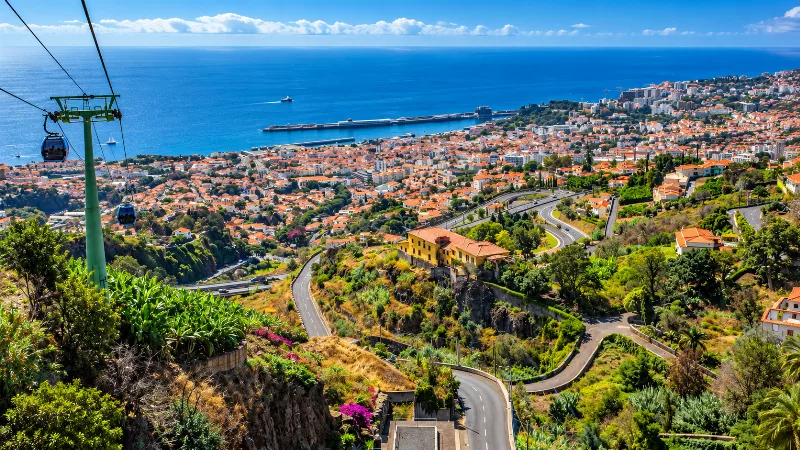
Funchal is Madeira’s capital, combining a historic Atlantic port, steep green hillsides, gardens, markets and easy access to island landscapes.