
Working Remotely in Portugal
Plan a remote working routine in Portugal with guidance on workspace, internet, time zones, coworking and choosing a suitable location.
Working remotely in Portugal involves choosing a setting that supports ordinary working days as well as time away from the screen. A desirable location for a short holiday may not offer the workspace, quiet or transport links needed for a longer stay. Start with the practical requirements of your role: meeting times, internet use, privacy and the amount of uninterrupted work you need. Accommodation should be assessed as a workspace rather than simply a place to sleep. Ask about the desk, chair, lighting and power sockets, and consider whether the working area is separate from shared household space. Photographs of a dining table do not necessarily show a comfortable setup for a full day. If video meetings are frequent, background noise and the ability to close a door can matter as much as the view. Internet performance should be checked for the property and the room where you will work. Upload capacity, connection stability and indoor mobile reception deserve attention alongside download speed. Test essential tools early, and identify a practical backup for an interruption. A mobile connection or an alternative workspace may be useful, depending on your requirements. Coworking spaces provide another option for a desk, shared facilities and contact with other people. Compare access arrangements, quiet areas, meeting rooms and the journey from your accommodation. A space that suits occasional laptop work may not suit confidential calls. Cafés can provide a change of scene, but seating, noise and expectations about laptop use differ, so ask before settling in for an extended session. Time differences should be considered before planning a daily schedule. Mainland Portugal and Madeira share a time zone, while the Azores are one hour behind them. Compare your actual meeting calendar with colleagues in other countries, including dates when seasonal clock changes do not align. Calendar software configured for the correct location helps keep appointments clear. Location choices also affect the time outside work. Check access to groceries, exercise, public transport and social activities. Larger cities and smaller towns provide different combinations of services and pace. A useful trial is to follow a normal weekday routine before committing to a longer arrangement. Keep working hours, breaks and personal time visible in your plan. Questions about permission to work, employment arrangements and taxation should be assessed separately for your circumstances using the appropriate official information.
Related content

Madeira
Explore Madeira through Funchal, dramatic mountains, levada walks, subtropical gardens, volcanic coastlines and distinctive Atlantic island landscapes.
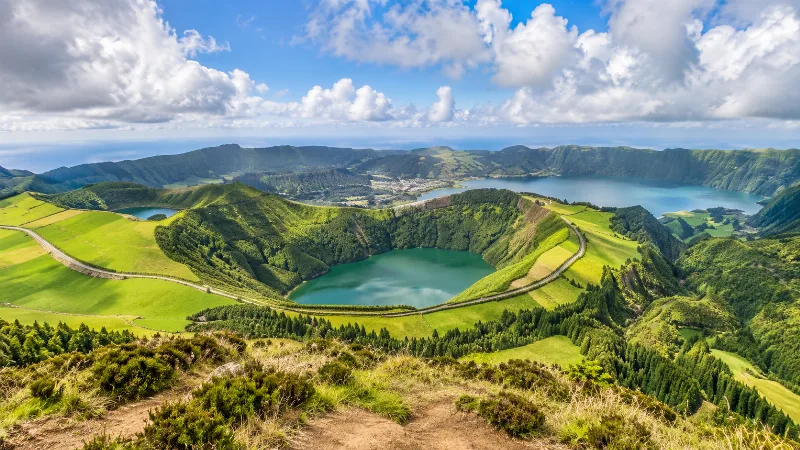
Azores
Discover the Azores through volcanic islands, crater lakes, green landscapes, Atlantic coastlines, hiking, wildlife and distinctive island communities.

Madeira or Azores: Which Islands Should You Choose?
Madeira and the Azores offer very different Atlantic island experiences, from hiking and volcanic scenery to weather, transport, towns and travel style.
Historic Bridges of Portugal
Explore historic bridges of portugal with a practical guide to notable places, regional landscapes, local heritage and travel planning in Portugal.
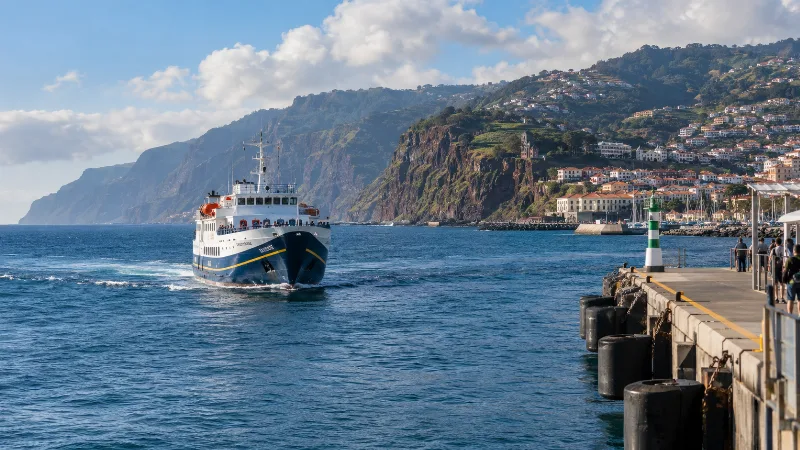
How to Visit Portugal’s Islands from the Mainland
Understand mainland-to-island journeys for Madeira and the Azores.