
Pastéis de Nata and the Portuguese Custard Tart Tradition
Pastéis de nata are small custard tarts with a blistered, caramelised top and a shatteringly crisp pastry case. Their story runs from monastery kitchens to the counter of almost every Portuguese bakery.
Pastéis de nata are the small custard tarts that appear in the window of nearly every pastelaria in Portugal, from Lisbon's busy avenues to the quiet squares of inland towns and the islands of the Azores and Madeira. A disc of thinly laminated puff pastry, pressed into a fluted tin and filled with a pale set custard, is baked at a fierce heat until the surface darkens into dark amber blisters and the pastry browns in uneven, brittle layers. Eaten warm, with a dusting of cinnamon or icing sugar, they are one of the country's most distinctive everyday foods and one of its most widely imitated exports.
A Pastry Rooted in Monastery Kitchens
The tart belongs to Portugal's long tradition of doçaria conventual, the sweet-making of convents and monasteries. Egg whites were historically used in religious houses for clarifying wine and for stiffening linen, leaving large quantities of yolks behind. Those yolks were folded into sugar syrups, almond mixtures and custards, producing the dense, egg-rich sweets still sold across the country today.
The pastel de nata as it is now known is closely associated with the Belém district of western Lisbon, beside the Jerónimos Monastery and the riverfront. The recipe is traditionally said to have passed from monastic hands to a local bakery in the nineteenth century, and the neighbourhood has remained the reference point for the pastry ever since. Tarts sold elsewhere are generally called pastéis de nata, while the Belém name is used specifically for the version made there.
How a Pastel de Nata Is Made
The pastry is what distinguishes a good tart from a mediocre one. A soft dough is wrapped around a block of butter, rolled and folded repeatedly to create hundreds of thin alternating layers, then rolled into a long cylinder and cut into slices. Each slice is pressed into a small metal mould so that the layers spiral up the sides, forming the characteristic ridged case.
The filling is a simple custard of milk, sugar, egg yolks, a little flour or cornflour and often a strip of lemon peel or a cinnamon stick steeped in the milk. It is poured into the unbaked cases and the tarts are baked in a very hot oven, usually in large trays, until the custard sets with a slight wobble and the top takes on scorched, mottled patches. That contrast — fragile, buttery pastry beneath a soft, sweet custard with a faintly bitter caramelised surface — is the whole point of the pastry.
The Ritual of the Pastelaria
Pastéis de nata are not a dessert reserved for special occasions. They are breakfast, an eleven o'clock pause and a late-afternoon pick-me-up, taken standing at a marble counter or sitting at a small table with a bica, the Portuguese espresso, or a galão, a tall glass of milky coffee. Bakeries tend to bake in batches through the morning, so the trays are replenished rather than sold all at once, and it is worth asking whether a fresh batch is due if the display looks depleted. Many customers take a box of six home, though the pastry softens quickly and is at its best within a few hours of baking.
Nata, Natas and the Wider Family of Portuguese Sweets
The word nata means cream, and in Portuguese shops the singular pastel de nata and the plural pastéis de nata are used interchangeably with regional variants such as the queijada and the pastel de feijão. The tart sits comfortably alongside other yolk-based sweets, including ovos moles from Aveiro and toucinho do céu, and it shares their logic: few ingredients, careful technique and a preference for sweetness balanced by the flavour of egg and caramel.
Outside Portugal the tart is usually sold simply as a Portuguese custard tart, and quality varies widely. The clearest signs of a well-made example are a case that crackles rather than crumbles, a custard that is set but not rubbery, and a top that has genuinely caught in the oven rather than been browned artificially. Served slightly warm and without embellishment, it needs nothing more than a light dusting of cinnamon.
Related content
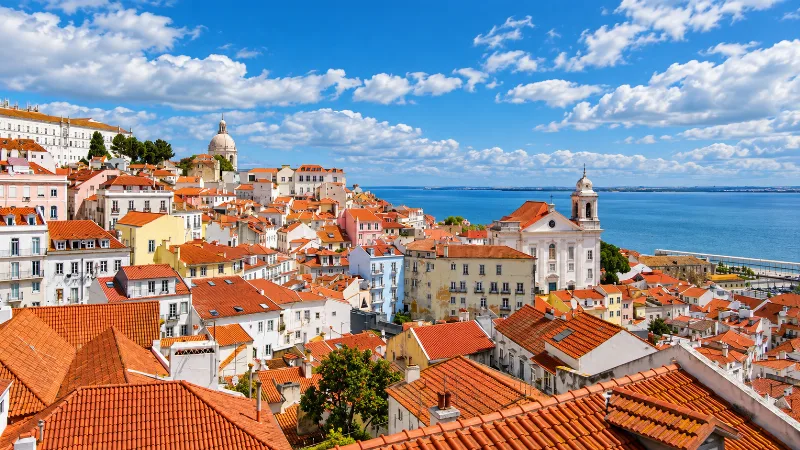
Lisbon
Portugal’s capital combines historic neighbourhoods, river views, tiled façades, viewpoints and an energetic everyday city life.

Azores
Discover the Azores through volcanic islands, crater lakes, green landscapes, Atlantic coastlines, hiking, wildlife and distinctive island communities.

Madeira
Explore Madeira through Funchal, dramatic mountains, levada walks, subtropical gardens, volcanic coastlines and distinctive Atlantic island landscapes.
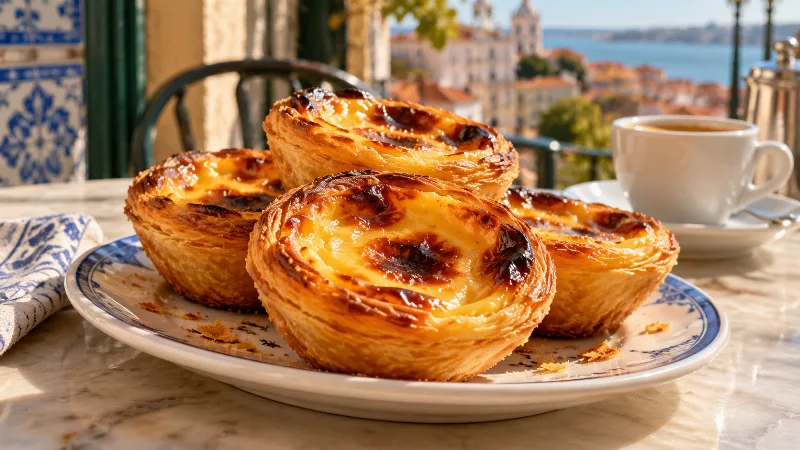
Pastel de Nata
Pastel de nata is Portugal’s famous custard tart, combining crisp laminated pastry with a rich baked custard and a deeply caramelized surface.
Ovos Moles de Aveiro and Conventual Sweets
Ovos moles de Aveiro are the most famous expression of Portugal's conventual pastry tradition, a smooth egg-yolk and sugar sweet sealed inside wafer-thin shells. Their story links Portuguese convents, Atlantic sugar and the maritime character of Aveiro.
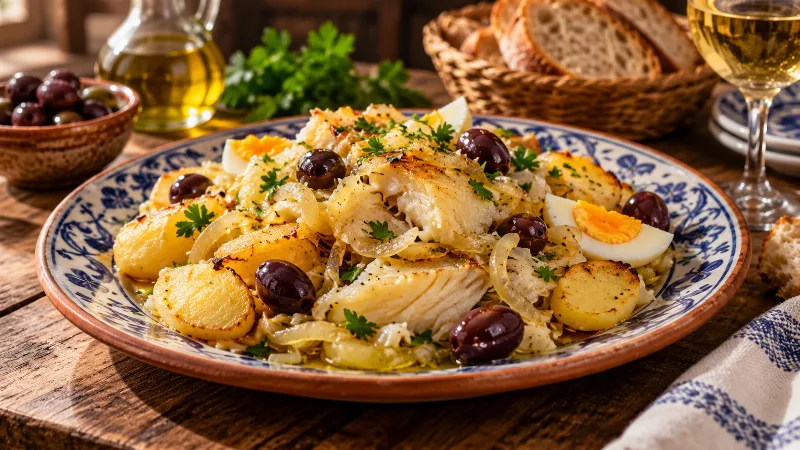
Bacalhau
Bacalhau is one of the foods most closely associated with Portuguese cooking, appearing in home kitchens, traditional recipes and regional variations across the country.

Lisbon Region
Explore Lisbon, Sintra, Cascais and Cabo da Roca through historic neighbourhoods, palaces, Atlantic scenery and easy day trips from the capital.

Portugal for First-Time Visitors: What to Know Before You Go
A practical first-trip guide to Portugal covering cities, transport, weather, walking, food, beaches, timing and common itinerary mistakes.