
Discovering Porto Through the Ribeira District
Explore Porto's historic Ribeira district, where colourful waterfront buildings, traditional streets, the Douro River and the Dom Luís I Bridge reveal the character of northern Portugal.
Discovering Porto Through the Ribeira District
Porto is one of Portugal's most distinctive cities, known for its historic architecture, riverside setting and strong cultural identity. At the heart of its historic waterfront lies Ribeira, a neighbourhood that offers visitors an introduction to the city's character.
Located along the northern bank of the Douro River, Ribeira is recognised for its colourful buildings, narrow streets, traditional façades and lively public spaces.
The district forms part of Porto's UNESCO-listed historic centre and remains one of the city's most recognisable areas.
For travellers exploring northern Portugal, Ribeira is a natural starting point for discovering Porto.
The Historic Character of Ribeira
Ribeira developed around Porto's relationship with the Douro River.
For centuries, the waterfront supported commercial activity, transportation and connections between the city and other settlements along the river.
Today, traces of this history remain visible in the district's architecture and urban layout.
Narrow streets lead between closely arranged buildings, while stone stairways connect the waterfront with higher parts of the historic centre.
The neighbourhood's colourful façades, balconies and traditional architectural details contribute to its distinctive appearance.
Although Ribeira attracts many visitors, it is also part of a functioning city with residential buildings, businesses and public spaces.
Walking Along the Douro River
One of the most enjoyable ways to explore Ribeira is to walk along the waterfront.
The riverside promenade offers views of traditional buildings, boats and the surrounding hillsides.
Restaurants and cafés line sections of the waterfront, providing places to stop and observe the activity around the river.
The scenery changes throughout the day as sunlight moves across the façades and the river reflects the surrounding architecture.
Walking through the smaller streets behind the promenade also reveals a different side of Ribeira, away from its busiest waterfront areas.
The Dom Luís I Bridge
The Dom Luís I Bridge is one of Porto's most famous landmarks.
Completed in the nineteenth century, the double-deck metal arch bridge connects Porto with Vila Nova de Gaia across the Douro River.
Its distinctive engineering design has become closely associated with the city's skyline.
The upper deck accommodates Porto Metro services and pedestrians, while the lower deck provides a crossing for road traffic and pedestrians.
From Ribeira, the bridge creates an impressive architectural backdrop.
Crossing the bridge also allows visitors to experience different views of Porto and the surrounding riverbanks.
Exploring Vila Nova de Gaia
Across the Douro River lies Vila Nova de Gaia, a city closely connected to the history of port wine.
Its riverside area offers panoramic views of Ribeira and Porto's historic centre.
Vila Nova de Gaia is particularly known for its port wine cellars, where visitors can learn about the region's wine production and trading traditions.
The waterfront also provides opportunities for walking, dining and photography.
For visitors interested in seeing Porto from another perspective, crossing the river is a worthwhile addition to a Ribeira itinerary.
Architecture and Cultural Heritage
Ribeira's appeal extends beyond its waterfront scenery.
The district forms part of a larger historic environment that includes churches, traditional buildings, public squares and streets developed over different periods.
Nearby attractions include São Francisco Church, known for its elaborate interior decoration, and the Palácio da Bolsa, an important nineteenth-century building associated with Porto's commercial history.
Exploring these locations provides additional context for understanding the city's architectural and economic development.
Food and Local Gastronomy
Porto offers a rich culinary tradition influenced by northern Portugal's regional ingredients and cooking methods.
Visitors exploring Ribeira will find restaurants serving Portuguese dishes, seafood and regional specialities.
One of Porto's best-known dishes is the francesinha, a substantial sandwich traditionally served with sauce.
Other familiar options include bacalhau preparations, grilled fish and Portuguese pastries.
Restaurant prices and menus vary, particularly between heavily visited waterfront locations and smaller establishments elsewhere in the city.
When Is the Best Time to Visit Ribeira?
Ribeira can be visited throughout the year, although the experience changes with the seasons.
Spring and autumn often offer comfortable conditions for walking and sightseeing.
Summer generally brings warmer weather and increased visitor activity, especially around the waterfront.
Winter can be cooler and wetter, but the district remains an interesting place to explore.
Visitors who prefer quieter streets may find early mornings particularly appealing.
How Much Time Should You Spend in Ribeira?
A short visit allows time to see the waterfront and the Dom Luís I Bridge.
However, spending several hours in the area makes it easier to explore the smaller streets, visit nearby landmarks and cross the river to Vila Nova de Gaia.
Travellers with additional time can combine Ribeira with other parts of Porto's historic centre.
A slower itinerary also allows for breaks at cafés, architectural sightseeing and photography.
Practical Tips for Visiting Ribeira
Ribeira's historic streets include cobblestones, stairways and steep sections.
Comfortable walking shoes are therefore recommended.
Some areas may be difficult for visitors with reduced mobility, so checking accessible routes in advance is advisable.
The waterfront can become busy during popular travel periods, particularly around major attractions and restaurant areas.
Public transport, walking routes and nearby river crossings provide several ways to explore the district without relying on a car.
Why Ribeira Deserves a Place on Your Porto Itinerary
Ribeira brings together several elements that define Porto: history, architecture, river life and local culture.
Its location also makes it convenient for exploring the Dom Luís I Bridge, Vila Nova de Gaia and other attractions in the historic centre.
Whether visiting Porto for a weekend or including the city in a longer journey through Portugal, Ribeira provides a memorable introduction to one of the country's most characteristic urban landscapes.
Related content
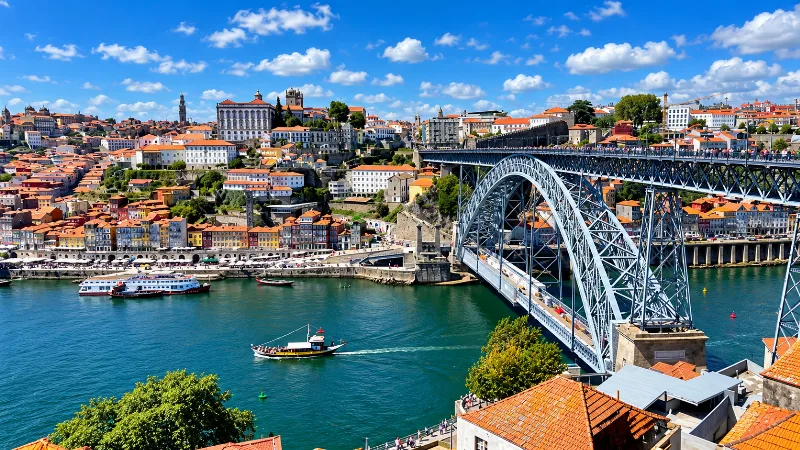
Porto
Porto is a compact northern city of steep streets, granite architecture, riverfront views, historic districts and strong local character.
Porto's Ribeira Waterfront and Historic Bridges
Porto's Ribeira is the old riverside quarter on the north bank of the Douro, a dense grid of arcaded streets and tiled façades watched over by a succession of iron and concrete bridges.
Discovering the Island of Porto Santo
Explore discovering the island of porto santo with a practical guide to notable places, regional landscapes, local heritage and travel planning in Portugal
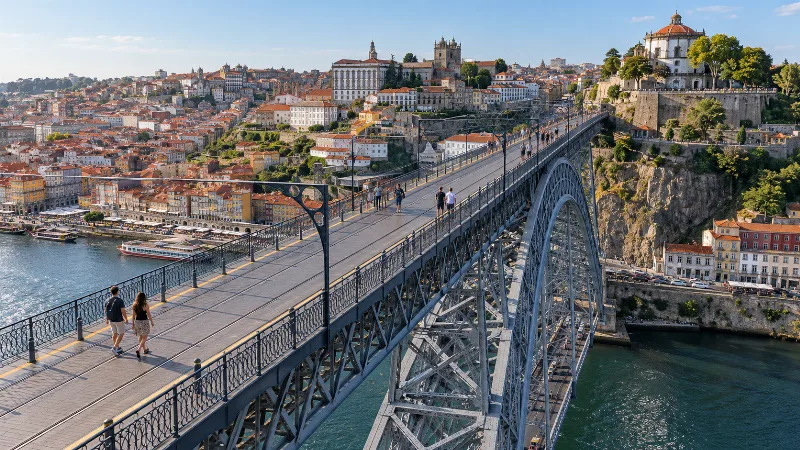
Walk Across Porto’s Dom Luís I Bridge
Cross the Douro between Porto and Vila Nova de Gaia, combining the bridge’s upper deck, Jardim do Morro and the riverside streets.
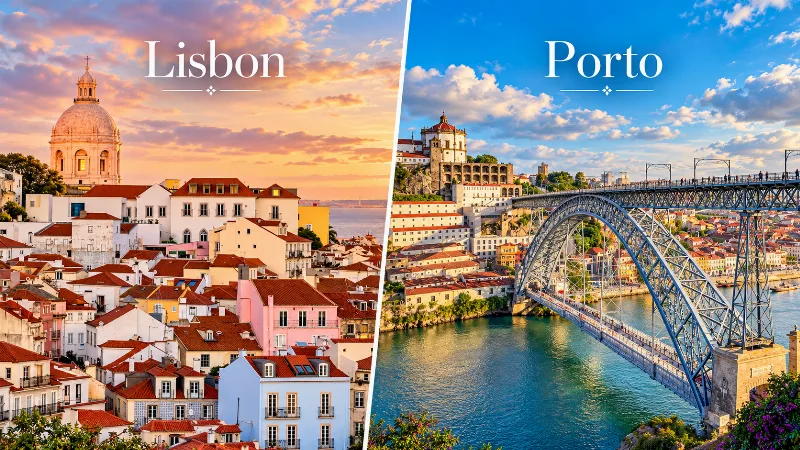
Lisbon or Porto: Which City Is Right for Your Trip?
Lisbon and Porto offer very different first impressions of Portugal, from scale and weather to food, nightlife, day trips and overall pace.