
How Many Days Do You Need in Portugal?
Choose a realistic trip length by balancing destinations, arrival days, travel time and the pace you want in Portugal.
The number of days you need in Portugal depends on what you want to experience and how often you are willing to change accommodation. A city break, a journey through several mainland regions and an island stay use time differently. Start with the days available on the ground, then build a plan around those hours rather than the number of dates printed on your flight booking.
Count Your Usable Days
Arrival and departure days rarely provide the same sightseeing time as a full day between nights. Consider when you will reach your accommodation, whether you can leave luggage and when you must begin the return journey to the airport. A late arrival followed by an early departure can make a four-day booking feel much closer to a two-day visit. Record usable mornings and afternoons before choosing destinations.
Plan a Short Break
With three or four days, one main base usually allows more meaningful exploration than several hotel changes. Lisbon or Porto can each support a mixture of neighbourhood walks, cultural visits and a nearby excursion. Decide whether the excursion matters more than another full day in the city. The aim is to leave enough time for the places you selected, including meals and ordinary journeys between them.
Use a Week Selectively
A week creates room for two complementary bases or a longer stay in one region. Compare the door-to-door journey between your proposed stops before deciding how to divide the nights. Two cities with a direct connection may combine more easily than several scattered rural destinations. Keep at least one unstructured period for a delayed arrival, a weather adjustment or somewhere you want to explore longer.
Allocate Longer Visits
Ten days or two weeks can accommodate a broader route, but extra distance is not automatically extra value. Add destinations because they contribute something different, such as a coastal setting after a city stay. An island flight requires time for airport journeys and accommodation changes as well as the flight itself. Treat a mainland-and-island combination as two substantial parts of the holiday.
Match the Pace to Your Priorities
List the activities that need a complete day, then place them beside your transport days. Avoid assigning a long transfer and a major visit to the same limited afternoon. Travelling with children, carrying large bags or wanting longer meals can all change a workable pace. Remove one stop if the schedule only succeeds when every connection and visit runs perfectly.
Related content
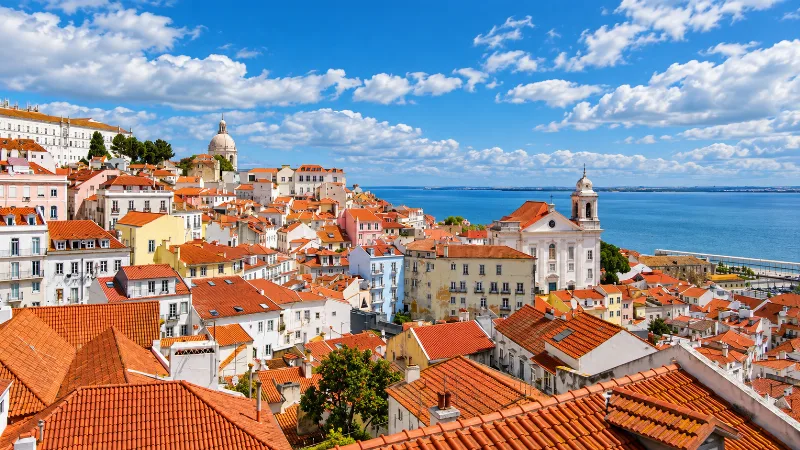
Lisbon
Portugal’s capital combines historic neighbourhoods, river views, tiled façades, viewpoints and an energetic everyday city life.
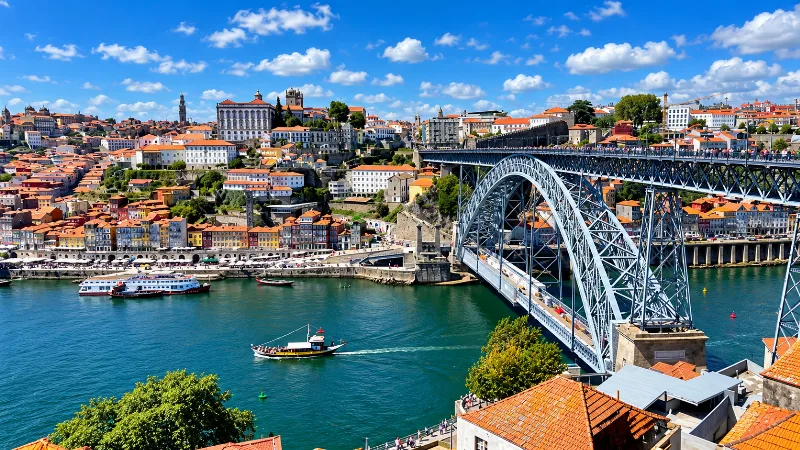
Porto
Porto is a compact northern city of steep streets, granite architecture, riverfront views, historic districts and strong local character.
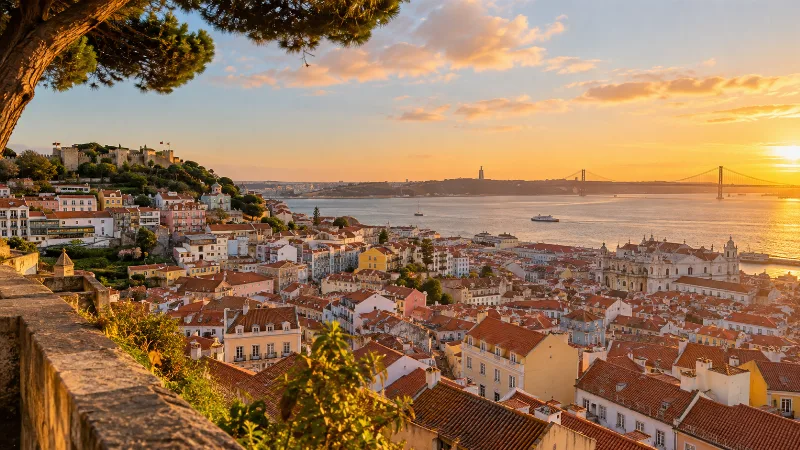
How Many Days Do You Need to Explore Portugal?
Match the length of your Portugal trip to the places and experiences you value most.
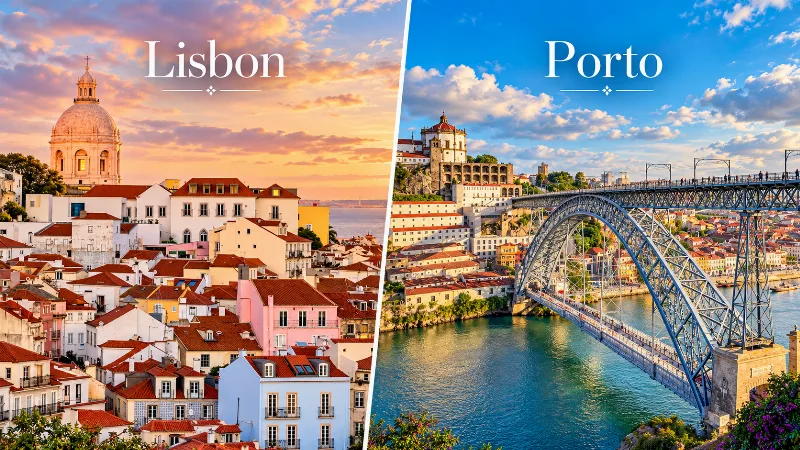
Lisbon or Porto: Which City Is Right for Your Trip?
Lisbon and Porto offer very different first impressions of Portugal, from scale and weather to food, nightlife, day trips and overall pace.
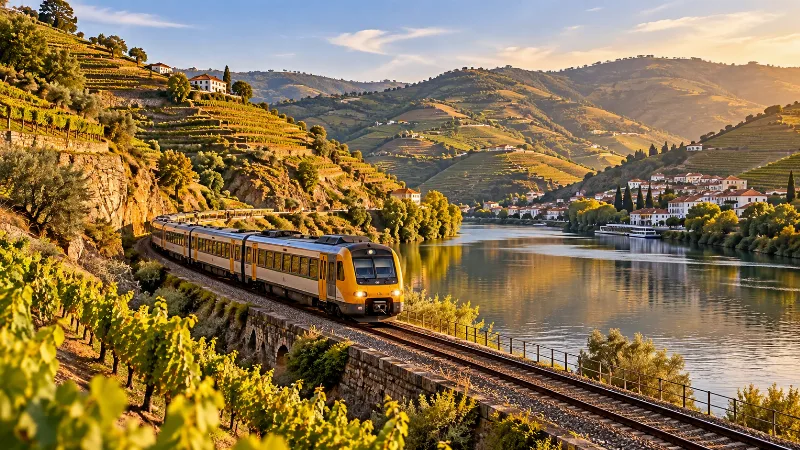
Portugal by Train
Portugal’s rail network connects many major cities and provides a comfortable way to travel between Lisbon, Porto, Coimbra, Braga, Aveiro and the Algarve.
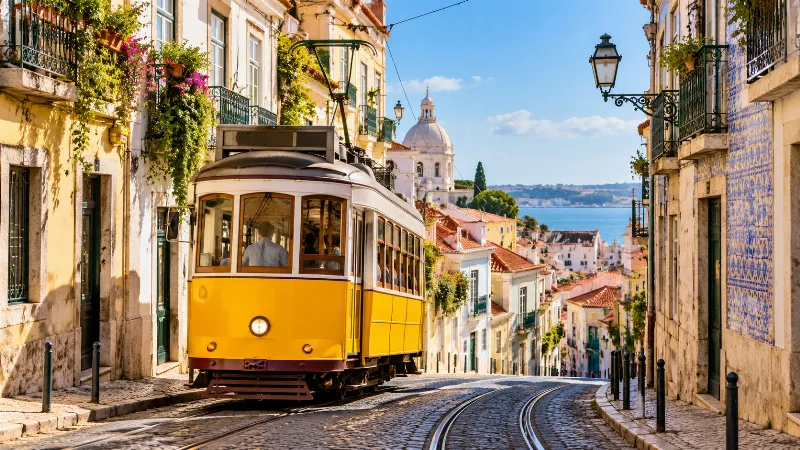
Getting Around Portugal
Portugal is easy to explore with a mix of trains, buses, metro systems, ferries, domestic flights and rental cars, depending on the route.