
Driving in Portugal: Essential Rules for Visitors
Understand key driving considerations before a Portuguese road journey.
Understand key driving considerations before a Portuguese road journey. This guide focuses on practical choices that help visitors explore Portugal at a sensible pace, while accounting for the differences between cities, regions and seasons.
Prepare your documents
Before driving, confirm that your licence is valid for use in Portugal under the rules applicable to your country of issue and length of stay. Vehicle documentation and applicable insurance must also be in order. Driving rules and licence-recognition arrangements can change, so consult the current Portuguese official guidance rather than relying on informal summaries. If hiring a vehicle, review the agreement and understand any limits on where it may be used.
Road types and tolls
Portugal has motorways, national roads and smaller local routes. Some motorway sections require toll payment, with different methods used on different roads. Check the official toll arrangements relevant to your planned route before travel; do not assume all payment systems work identically. Navigation tools can help choose a route, but they do not replace observing signs, temporary closures and local restrictions.
Cities and historic centers
Older neighborhoods may have narrow streets, limited access and complicated parking. It is often simpler to leave a vehicle outside the densest historic area and continue on foot or by public transport. Watch for one-way systems and pedestrian-priority zones. Plan the parking location before arrival rather than letting navigation lead into an unsuitable lane. Always follow posted rules for stopping and parking.
Safety on scenic roads
Coastal and mountain routes can be beautiful but demanding. Weather, fog, steep gradients and unfamiliar bends require time and attention. Stop only in designated or clearly lawful safe places, especially near cliffs. Avoid fatigue by limiting long driving days and planning rest breaks. If the route includes isolated nature areas, check road conditions and whether the destination can safely accommodate vehicles.
Follow current official regulations
Speed limits, restraint rules and mobile-phone restrictions must be followed according to current law and road signs. Because details depend on road class and circumstances, verify them through official Portuguese road-safety authorities before driving. Treat navigation estimates as approximate, particularly in busy urban areas or on winding roads. Good driving plans put safe access and realistic timing ahead of reaching every viewpoint.
Practical planning checks
Before departure, compare your intended route with current official information for the places involved. Check opening arrangements for cultural sites, route notices for natural areas, and the applicable transport timetables for the exact travel date. The same plan can work differently in a busy summer weekend, a rainy winter weekday or a public holiday. Keep essential addresses and connections available offline, allow space for an alternative activity and adjust the schedule when local conditions differ from expectations. For driving in portugal: essential rules for visitors, reliable local information and a realistic daily pace are more useful than trying to follow a rigid checklist.
Before entering a mountain district, identify a safe stopping point and check whether roadworks or bad weather affect access. Avoid trying to follow a map route onto unpaved tracks not suited to your vehicle. The driver should remain focused on traffic; a passenger can manage navigation and identify suitable viewpoints.
Related content
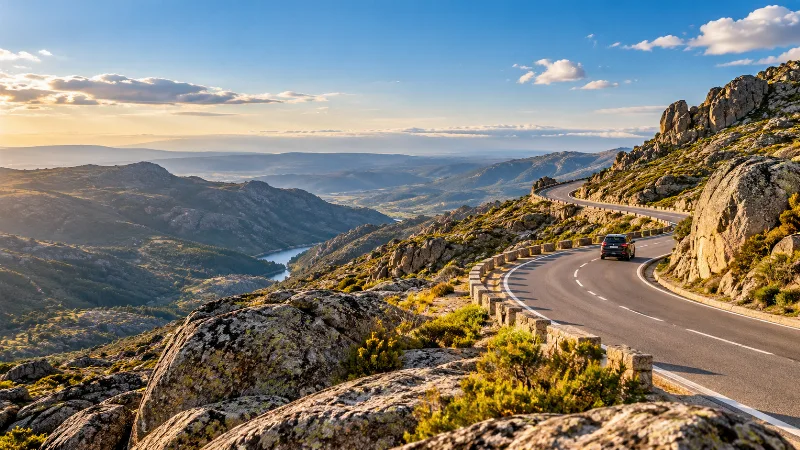
Driving in Portugal
Driving gives travellers access to rural Portugal, small villages, beaches and mountain regions, but tolls, parking and local road conditions require planning.
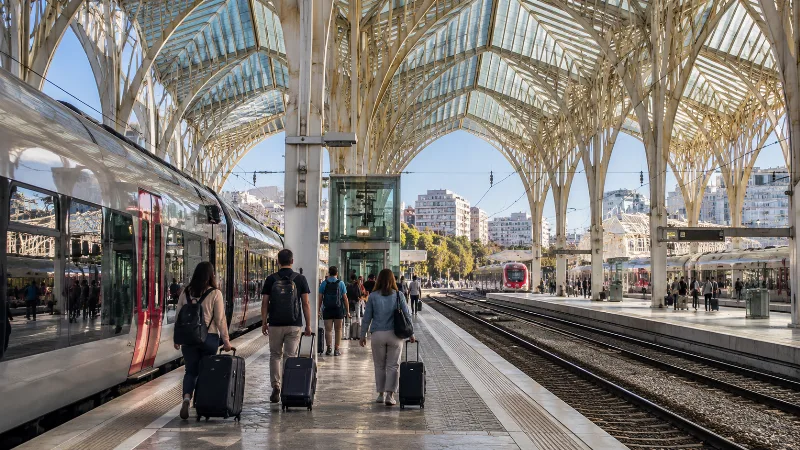
How to Travel Between Cities in Portugal
Compare trains, intercity buses and driving for journeys between Portuguese cities.
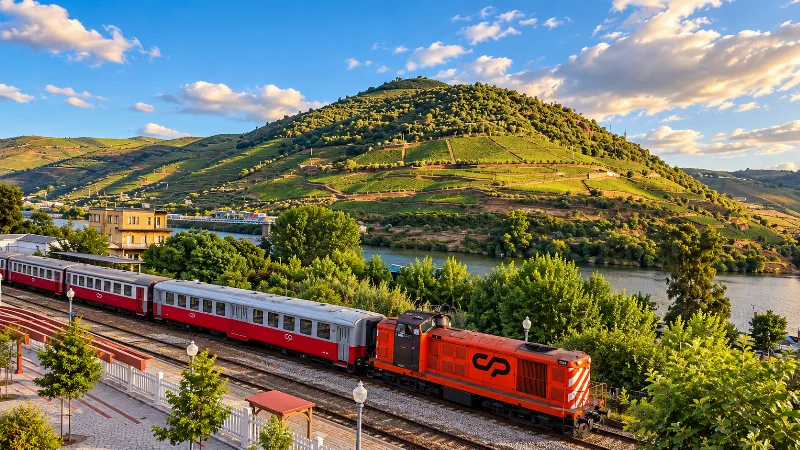
Portugal Without a Car: How Easy Is It?
Portugal can be explored without a car if you focus on major cities and rail corridors, but rural regions, remote beaches and mountains require more planning.
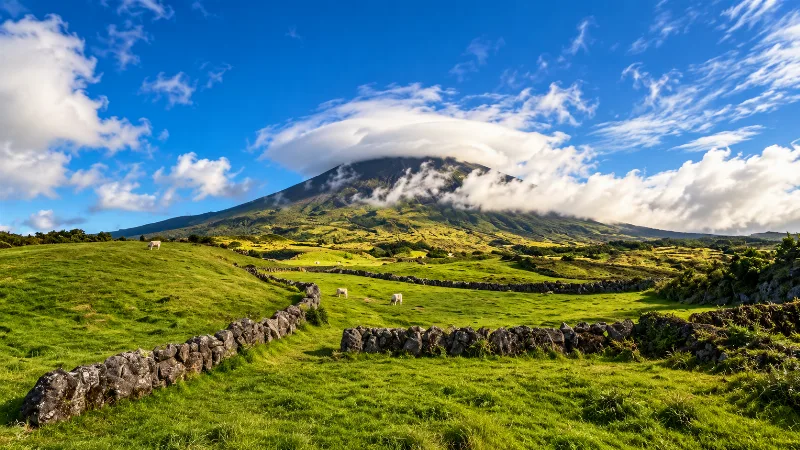
Pico Island
Pico Island combines Portugal’s highest mountain with volcanic coastlines, lava landscapes, vineyards, small settlements and expansive Atlantic scenery.
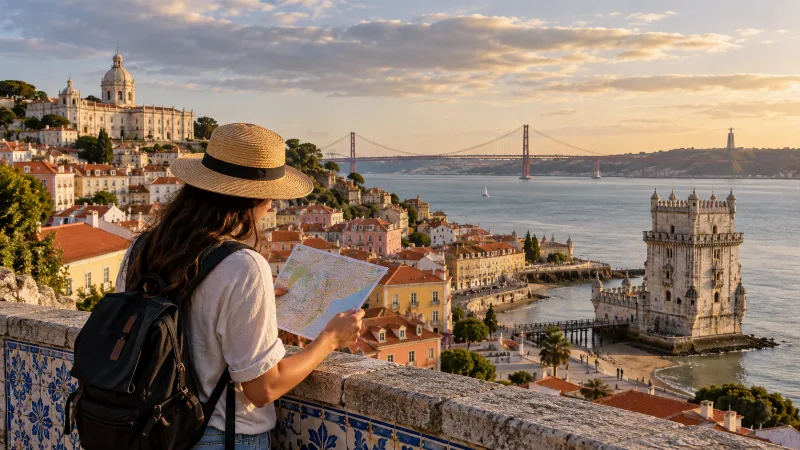
How to Avoid Common Tourist Mistakes in Portugal
Avoid preventable planning errors involving transport, weather and sightseeing.
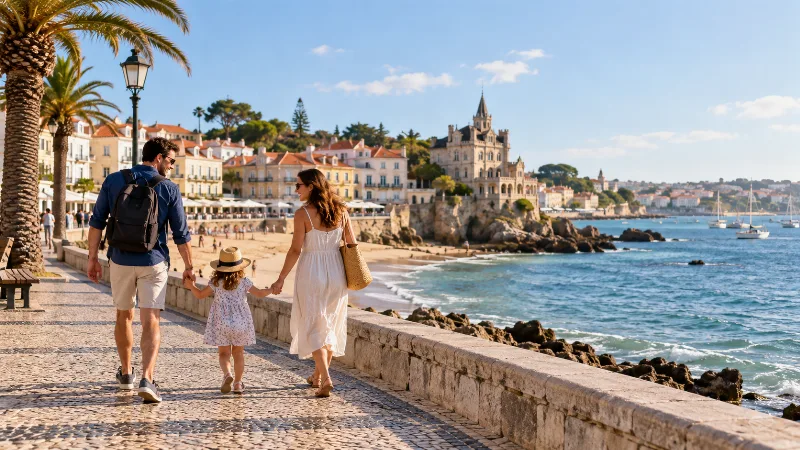
Portugal with Kids: A Practical Family Travel Guide
Plan family-friendly days, transport and outdoor activities throughout Portugal.