
Guimarães
Guimarães combines a medieval castle, traditional squares and a UNESCO-listed historic centre closely linked to the early history of Portugal.
Guimarães is a northern Portuguese city whose historic centre is closely connected with the formation of the country. Medieval streets, granite buildings and traditional squares create a compact setting recognised by UNESCO. Cafés, shops and cultural spaces keep these historic streets part of the city’s everyday life.
Exploring the Historic Squares
Largo da Oliveira is one of the main gathering places in the old centre. The church of Nossa Senhora da Oliveira and the medieval Padrão do Salado stand beside buildings with sheltered arcades.
Nearby Praça de Santiago offers traditional façades and a more enclosed setting. The two squares connect naturally on a walk through the surrounding streets.
Visiting the Castle and Palace
Guimarães Castle is associated with the city’s early history and Afonso Henriques, Portugal’s first king. Its elevated position makes it a principal stop above the historic centre.
Close by, the Palace of the Dukes of Bragança presents a different architectural character through its substantial stone structure and distinctive chimneys. The small church of São Miguel do Castelo stands between these landmarks.
Walking Through Rua de Santa Maria
Rua de Santa Maria links the upper monuments with the squares below. Historic buildings line the route, making the walk part of the visit rather than simply a connection between sights.
Museums and cultural venues provide opportunities to explore local art and craftsmanship. Traditional embroidery and metalworking also contribute to the wider region’s cultural identity.
Discovering Penha
Penha, the wooded hill above Guimarães, offers a contrasting landscape of granite formations, paths and viewpoints. It provides an opportunity to spend time beyond the urban centre.
A cable car connects the city with the hill, subject to its operating schedule. Allow time to explore the surrounding paths as well as enjoy the views.
Getting There and Planning Your Stay
Rail connections with Porto make Guimarães accessible as part of a northern Portugal itinerary. The historic centre can be explored on foot, with additional time allowed for the uphill monuments.
Staying centrally places the main squares and streets nearby. A longer visit leaves room for Penha, museums and excursions to neighbouring towns.
Related content
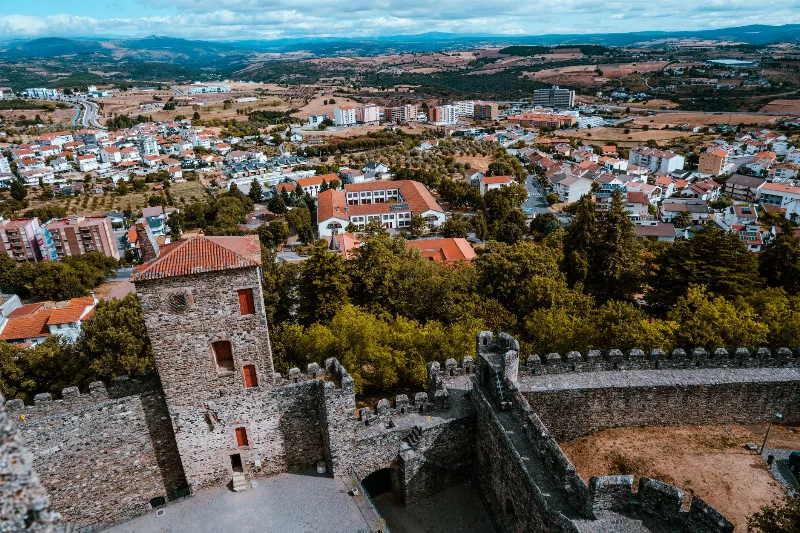
Bragança
Bragança is a granite-built city in north-east Portugal whose walled citadel, medieval castle and Romanesque civic hall stand above the surrounding Trás-os-Montes plateau, close to the Montesinho hills.
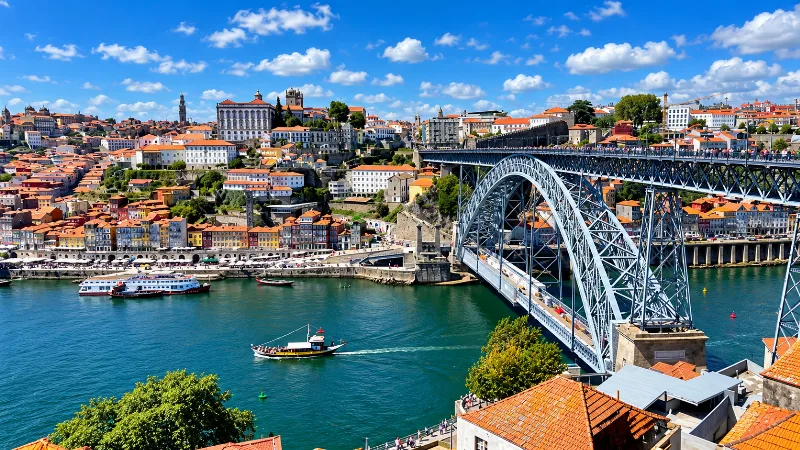
Porto
Porto is a compact northern city of steep streets, granite architecture, riverfront views, historic districts and strong local character.
Guimarães Castle and the Birthplace of Portugal
Guimarães Castle is a granite stronghold in northern Portugal whose walls, keep and neighbouring Romanesque chapel are tied to the emergence of the Portuguese kingdom.
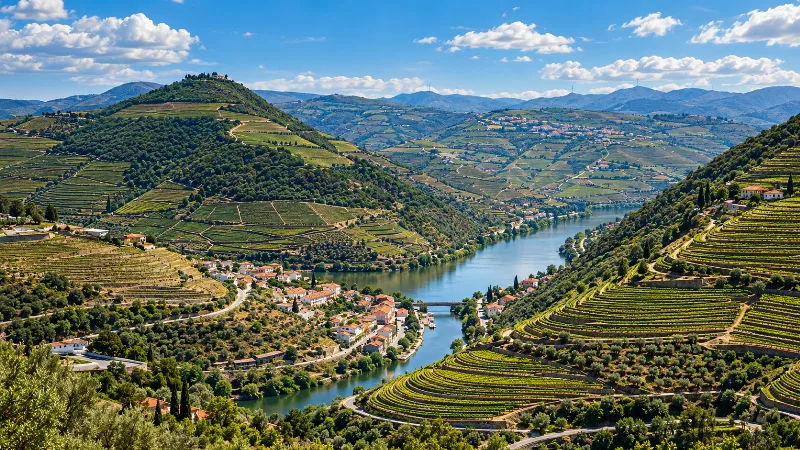
Northern Portugal
Explore Porto, the Douro Valley, Braga, Guimarães, Peneda-Gerês and the green landscapes, food traditions and historic cities of northern Portugal.
Discovering the Historic Streets of Guimarães
Explore discovering the historic streets of guimarães with a practical guide to notable places, regional landscapes, local heritage and travel planning in