
Lagos
Lagos combines a historic Algarve centre, small sandy beaches, coastal cliffs and the rock formations of Ponta da Piedade.
Lagos is a coastal town in the western Algarve, combining a historic centre with beaches, a marina and limestone cliffs. Its harbour reflects a longstanding relationship with maritime travel and fishing, while the surrounding shore offers opportunities to combine cultural visits with time outdoors.
Exploring the Historic Centre
Whitewashed façades, tiled buildings and small squares stand among surviving sections of the old town walls. Praça Infante Dom Henrique provides a useful starting point close to the waterfront and several historic landmarks.
The church of Santo António and the municipal museum introduce the town’s artistic and local history. The former slave market site examines Lagos’s role in the early Atlantic slave trade.
Walking Along the Waterfront
The waterfront avenue follows the channel towards the marina, connecting the historic centre with the harbour area. Across the water, paths lead towards accommodation and transport facilities.
This part of town offers a more open setting than the narrow streets of the centre. It can be explored as a separate walk or included before continuing towards the beaches.
Discovering Lagos’s Beaches
Meia Praia stretches east of town, offering a broad sandy shore that contrasts with the smaller coves south of the centre.
Praia Dona Ana and Praia do Camilo are known for their golden rock formations and coastal views. Their cliff-backed settings provide a different experience from the wider landscape of Meia Praia.
Visiting Ponta da Piedade
Ponta da Piedade features sea stacks, arches and headlands shaped by coastal erosion. Paths and designated viewing areas provide opportunities to appreciate the formations from land.
Boat excursions offer another perspective when conditions permit. Allow time to explore the viewpoints rather than treating the headland as a single photograph stop.
Getting Around and Choosing a Base
Lagos has regional rail and coach connections, and many central sights can be explored on foot. Beaches and headlands are spread across a wider area, so consider their locations when planning daily routes.
Central accommodation suits visitors who want restaurants and historic streets nearby. Beachside areas offer a different setting, while a longer stay leaves time for excursions towards Luz, Sagres and other parts of the western Algarve.
Related content
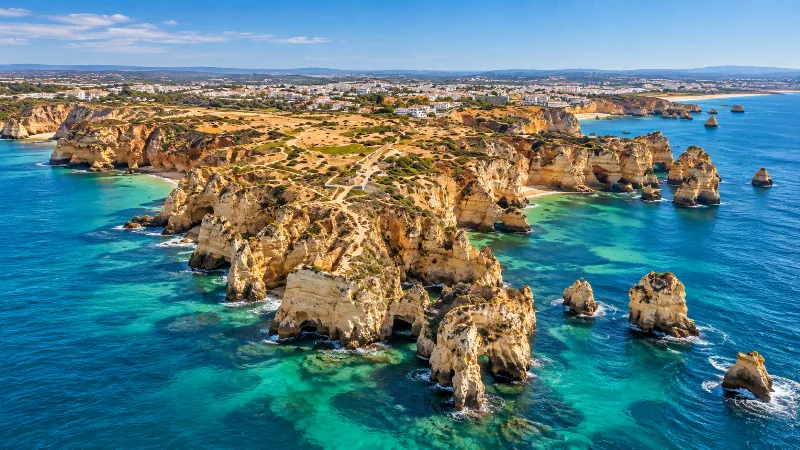
Algarve
Explore the Algarve through sandy beaches, limestone cliffs, Faro, Ria Formosa, coastal trails, historic towns and southern Portuguese landscapes.
Ponta da Piedade Clifftop Paths in the Western Algarve
The limestone headland of Ponta da Piedade, just south of Lagos, is threaded with clifftop paths above sea stacks, arches and hidden grottoes. This guide explains the geology, the walking routes and the natural detail that make the headland distinctive.
Best Things to Do in Lagos
Explore best things to do in lagos with a practical guide to notable places, regional landscapes, local heritage and travel planning in Portugal.
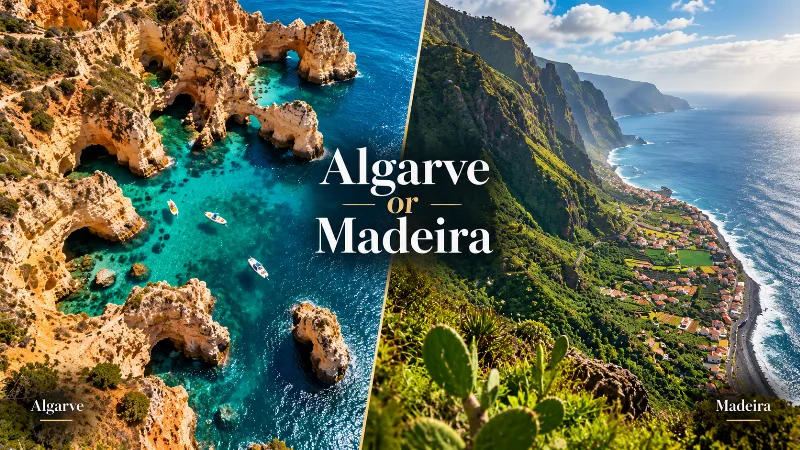
Algarve or Madeira: Which Is Better for Your Trip?
The Algarve and Madeira both offer warm-weather escapes, but they differ greatly in beaches, scenery, hiking, driving, towns and overall travel style.
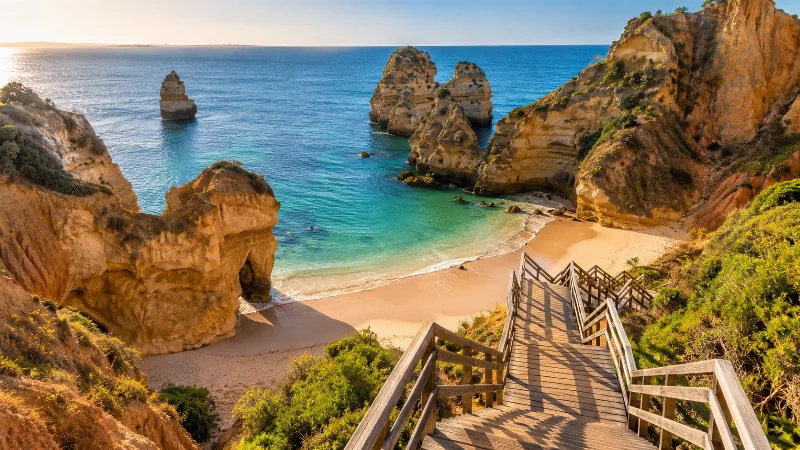
Praia do Camilo – Golden Cliffs and Turquoise Waters
Praia do Camilo is a compact beach at Lagos, framed by sculpted cliffs and reached by a long wooden stairway.
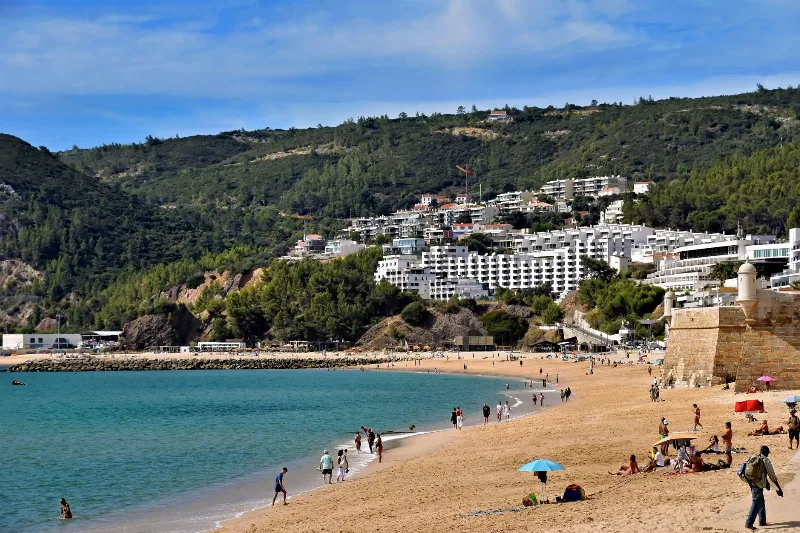
Best Regions to Visit in Portugal
Discover Portugal's most popular travel regions, from the historic cities of Lisbon and Porto to the beaches of Algarve, the countryside of Alentejo and the Atlantic islands.