
Explore the Schist Villages of Central Portugal
Discover central Portugal’s schist villages through stone lanes, traditional houses, wooded slopes and carefully chosen walking routes.
The schist villages of central Portugal combine stone houses, narrow lanes and settlements fitted into wooded hills. Their name refers to the layered rock used in much of the traditional construction. Villages differ in scale, surroundings and daily life, offering varied ways to explore the region’s rural architecture.
Choosing an Area to Explore
Focus on one area and allow time to visit a small number of villages. In the Serra da Lousã, places such as Talasnal and Cerdeira reveal how closely grouped houses follow the contours of steep hillsides.
Piódão lies farther away in a different mountain setting. Plan it as a separate journey rather than assuming it can be included in a short walk between the Lousã villages. Check road distances before combining destinations.
Discovering the Stone Architecture
Walking slowly through a village reveals how buildings respond to the terrain. Stone walls, small doorways, stairways and rooflines reflect both the slope and the materials available locally.
Some buildings remain homes, while others accommodate visitors, workshops or cultural activities. Respect private courtyards and residential spaces, and keep entrances clear as you explore.
Walking Between Villages
Exploring village streets and following a countryside trail require different levels of preparation. Paths between settlements may involve substantial climbs and descents, even when the villages appear close together on a map.
Choose a published walking route suited to your experience, check its current condition and follow local signs. For a shorter outing, village lanes and a nearby viewpoint can provide a rewarding visit without a longer hike.
Planning Transport and Access
The villages are spread across the interior, so transport planning helps keep the itinerary manageable. A car makes it easier to combine selected stops, while organised excursions provide another option for visitors without their own transport.
Confirm parking arrangements and continue on foot where appropriate. If using public transport, verify both outward and return connections before travelling.
Preparing for Your Visit
Wear shoes suited to uneven stone surfaces and carry water for your planned walk. Check local weather and access information before heading onto countryside paths.
Food and accommodation options differ between villages and seasons, so arrange essential stops in advance. An overnight stay allows more time for the streets, surrounding paths and rural landscape.
Related content
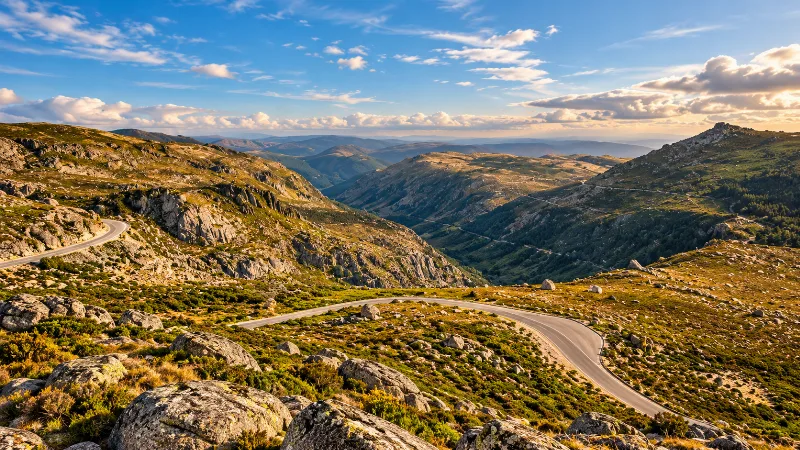
Central Portugal
Discover Coimbra, Aveiro, Serra da Estrela, Atlantic landscapes, mountain villages and the varied historic and natural scenery of central Portugal.
Discovering the Schist Villages of Portugal
Explore discovering the schist villages of portugal with a practical guide to notable places, regional landscapes, local heritage and travel planning in Po
Marvão Hilltop Fortress and Schist Village
Perched on a rocky ridge in the Serra de São Mamede, Marvão combines a hilltop fortress, schist-built lanes and wide views over the Alentejo borderlands.
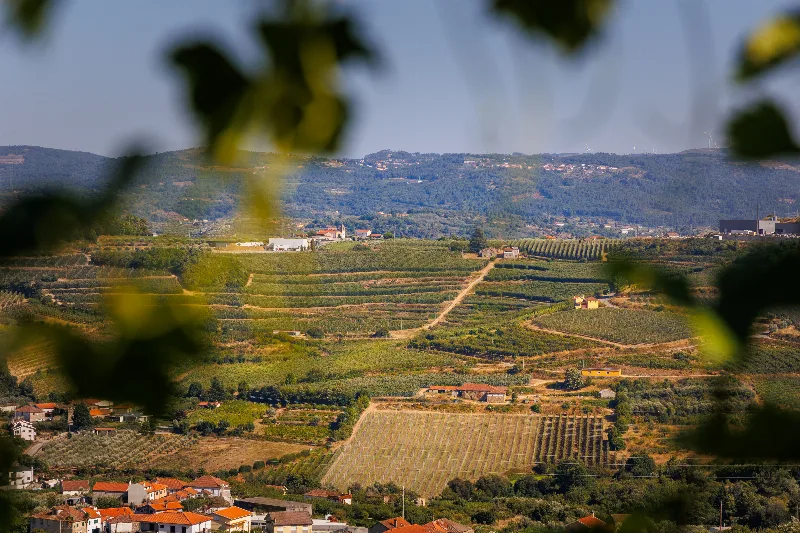
Viseu
A granite city in the Beira Alta of north-central Portugal, Viseu combines an old cathedral quarter, a national museum devoted to Renaissance painting and a position at the heart of the Dão wine region.
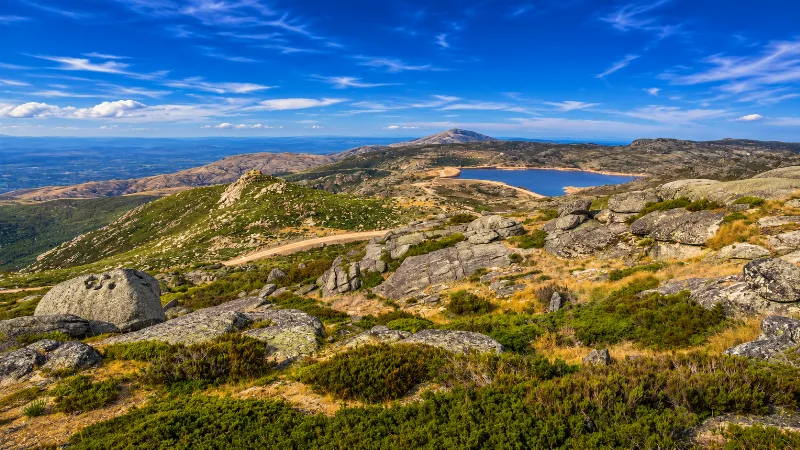
Serra da Estrela
Serra da Estrela is mainland Portugal’s highest mountain range, with granite plateaus, glacial valleys, villages, hiking routes and dramatic seasonal weather.
The Terraced Vineyards of the Douro Valley
The Douro Valley is defined by vineyards cut into steep schist slopes above a winding river, a landscape shaped by centuries of wine growing. Its terraces, villages and seasonal colour make it one of Portugal's most distinctive rural regions.