
Furnas – Volcanic Springs and Lakeside Scenery
Furnas is a volcanic valley on São Miguel, known for steaming geothermal areas, mineral springs, gardens and a lake surrounded by green slopes.
Furnas lies in the eastern part of São Miguel in the Azores, within a green volcanic valley that contains a village, geothermal areas and a lake. Steam rising from the ground makes the island’s volcanic character visible at close range, while wooded slopes and gardens create a softer setting around it. The area offers several distinct experiences, so it works best as a place to spend a substantial part of the day rather than a brief stop at one viewpoint. Begin by distinguishing the village from Lagoa das Furnas. They belong to the same valley landscape but are separate parts of a visit. Around the settlement, geothermal features and mineral springs sit close to streets and gardens. The lake offers a wider, more open scene, with paths and wooded margins that encourage a slower pace. Allowing time for both helps avoid reducing Furnas to a single image of steam or water. At the geothermal areas, the interest lies in observing the visible signs of heat beneath the surface. Steam, bubbling water and mineral-stained ground provide different details to notice from the designated visitor spaces. Near the lake, the preparation of the traditional cozido using underground heat connects the volcanic setting with local food culture. It can add context to a visit even if a meal is not the main reason for travelling to Furnas. A lakeside walk offers a contrast to the concentrated geothermal sights. Depending on the route chosen, the outing can include water-level views, wooded sections and the chapel of Nossa Senhora das Vitórias as a landmark beside the lake. Higher viewpoints, including Pico do Ferro, reveal the wider setting of the water and surrounding slopes. The choice between a longer walk and a viewpoint stop should reflect your available time, since trying to complete every option can make the day feel rushed. Gardens and thermal bathing are other reasons travellers spend time in Furnas. These are individual attractions with their own access arrangements, so choose them deliberately rather than assuming they are included in a general valley visit. A practical itinerary might combine the village and geothermal features in the morning, a lake walk later and one garden or bathing experience if time allows. This creates variety without repeatedly crossing the valley to fit in unrelated stops. Furnas can be visited in different seasons, but cloud and rain influence how the landscape is experienced. A higher viewpoint may be clear at one moment and obscured later, while the village or lakeside can still provide worthwhile places to explore. Spring and summer bring longer daylight for combining activities; autumn and winter can suit a slower visit with fewer outdoor commitments. Keep some flexibility in the order of your stops and choose clothing for changeable island conditions. Ponta Delgada is a common starting point for reaching Furnas by road. A car or organised excursion simplifies combining the village, lake and viewpoints, while public transport requires checking both the main connection and the local distances between attractions. Nearby, Ribeira Quente offers a coastal contrast, and the tea-growing landscape around Gorreana can fit a broader route across the island. Choose onward stops according to the direction of travel, leaving enough time to experience the Furnas valley itself rather than using it only as a waypoint.
Related content
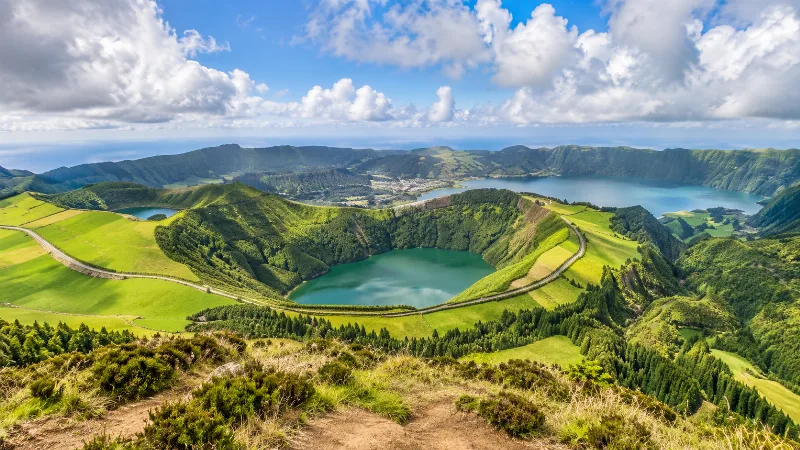
Azores
Discover the Azores through volcanic islands, crater lakes, green landscapes, Atlantic coastlines, hiking, wildlife and distinctive island communities.
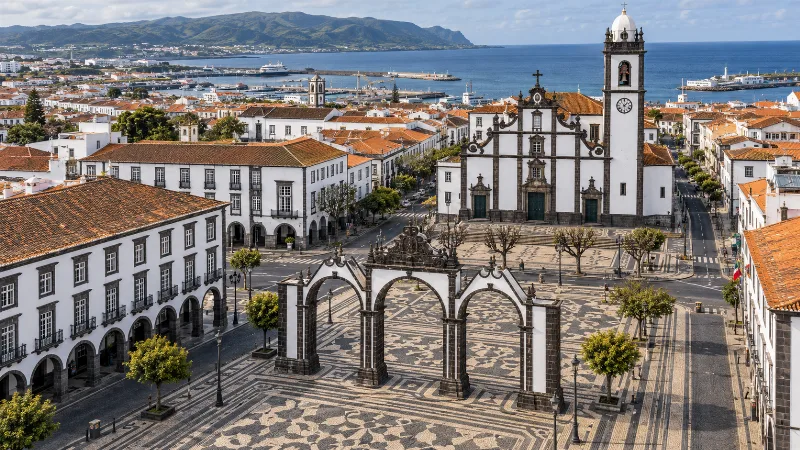
Ponta Delgada
Ponta Delgada is São Miguel’s main city, combining an Atlantic waterfront, volcanic-stone architecture, historic churches and access to the island’s lakes and geothermal landscapes.
Furnas Valley Hot Springs and Volcanic Gardens
Furnas occupies the floor of a volcanic caldera on São Miguel, where steam vents, warm mineral springs and dense gardens shape daily life. The valley combines active geothermal features with botanical collections and a crater lake.
Cozido das Furnas and Azorean Slow Cooking
Cozido das Furnas is a traditional Azorean stew cooked slowly in the geothermal ground of Furnas, on São Miguel. Its preparation links local ingredients, volcanic landscape and community cooking traditions.
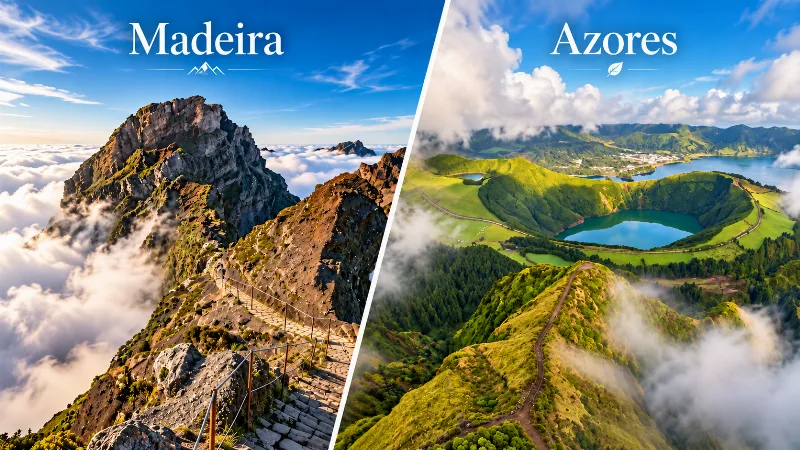
Madeira or Azores: Which Islands Should You Choose?
Madeira and the Azores offer very different Atlantic island experiences, from hiking and volcanic scenery to weather, transport, towns and travel style.
The Crater Lakes of Sete Cidades on São Miguel
Sete Cidades, at the western tip of São Miguel in the Azores, holds a wide volcanic caldera with the famous Blue and Green lakes, quieter craters and high viewpoints across a green, mist-wrapped landscape.