
Cozido das Furnas and Azorean Slow Cooking
Cozido das Furnas is a traditional Azorean stew cooked slowly in the geothermal ground of Furnas, on São Miguel. Its preparation links local ingredients, volcanic landscape and community cooking traditions.
Cozido das Furnas is a traditional stew from the Azores whose character is shaped by the volcanic landscape around Furnas, on São Miguel. Meat and vegetables are placed in a pot, buried in warm ground and left to cook in the earth’s natural heat. The method gives the dish a slow-cooked depth and makes it one of the most distinctive examples of Azorean food.
The Volcanic Setting of Furnas
Furnas sits in a volcanic crater in the eastern part of São Miguel, the largest island of the Azores. The parish is known for steaming fumaroles, mineral springs and patches of warm ground, all signs of the geothermal activity beneath the valley. Around the village, wooded slopes rise towards the crater rim, while Lagoa das Furnas lies in lower ground nearby. This combination of water, vegetation and volcanic heat gives Furnas an atmosphere that is unlike anywhere else in Portugal.
The same heat that draws visitors to the springs also makes the local stew possible. In Furnas, the ground itself becomes a cooking medium, and the landscape is part of the recipe rather than simply a backdrop.
How Cozido das Furnas Is Cooked
The preparation begins with a large pot packed with layers of meat and vegetables. The pot is closed tightly and lowered into a prepared hole in a geothermal area, where the soil is hot enough to cook the contents slowly. No direct flame is used. Instead, the food relies on the steady warmth of the earth over several hours.
This is a patient method. The pot must be handled carefully, the site must be suitable, and the cooking time depends on the heat of the ground and the size of the meal. When the pot is finally lifted, the ingredients are tender and the flavours have had time to combine. The resulting broth is savoury and full, with the vegetables taking on the richness of the meats. This form of volcanic cooking depends on patience and local knowledge rather than a stove.
Ingredients and Regional Character
Recipes vary between households, but cozido das Furnas generally includes a mix of meats such as beef, pork and chicken, often with chouriço or another local sausage. These are layered with vegetables that can include cabbage, potatoes, carrots, kale and root vegetables. The exact combination reflects family habit and what is available locally, rather than a single fixed formula.
The dish belongs to the wider family of Portuguese cozidos, but its cooking method sets it apart. A cozido à portuguesa is normally prepared on a stove, while cozido das Furnas is defined by its contact with volcanic ground. This gives the stew a strong regional identity and connects it directly to the geology of São Miguel.
A Dish Rooted in Local Life
Cozido das Furnas is not simply a curiosity for visitors. It is part of the food culture of the Furnas area and is associated with gatherings, family meals and the practical use of local resources. The method reflects an older understanding of the land: heat that could be dangerous or unsettling is used carefully to produce something hospitable and nourishing.
For local people, the stew carries a sense of place. For travellers, it offers a way to understand how Azorean cooking can be shaped by landscape, climate and community knowledge. The dish is modest in its ingredients but memorable in its method.
Exploring Furnas Beyond the Pot
The village and its surroundings reward a slower visit. Steaming vents can be seen in parts of the valley, and the mineral-rich waters have long been associated with the area. Lagoa das Furnas and the surrounding wooded hills provide views and walking opportunities, while the village itself has a quiet, lived-in character. The landscape explains much about the stew: the warmth below ground, the damp green surroundings and the sense of a community adapted to a volcanic environment.
Understanding cozido das Furnas is therefore a way of reading the Azores. The dish brings together local produce, geothermal heat, patience and a strong regional tradition. It is a practical recipe with an uncommon setting, and it remains one of the clearest expressions of Furnas’s identity.
Related content
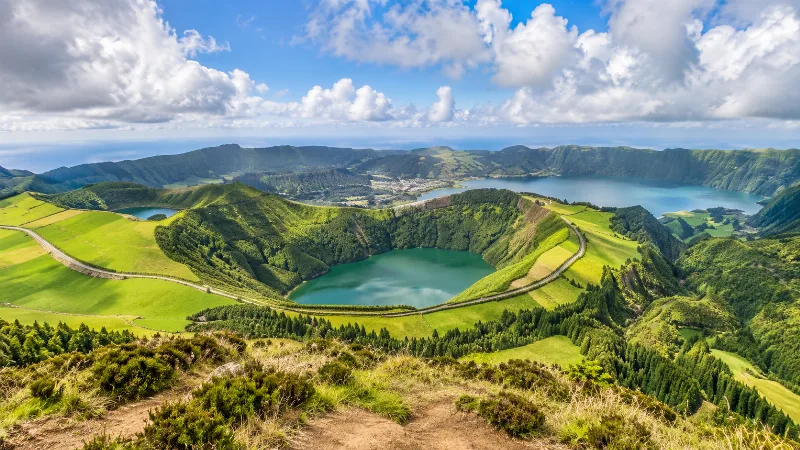
Azores
Discover the Azores through volcanic islands, crater lakes, green landscapes, Atlantic coastlines, hiking, wildlife and distinctive island communities.
Furnas Valley Hot Springs and Volcanic Gardens
Furnas occupies the floor of a volcanic caldera on São Miguel, where steam vents, warm mineral springs and dense gardens shape daily life. The valley combines active geothermal features with botanical collections and a crater lake.
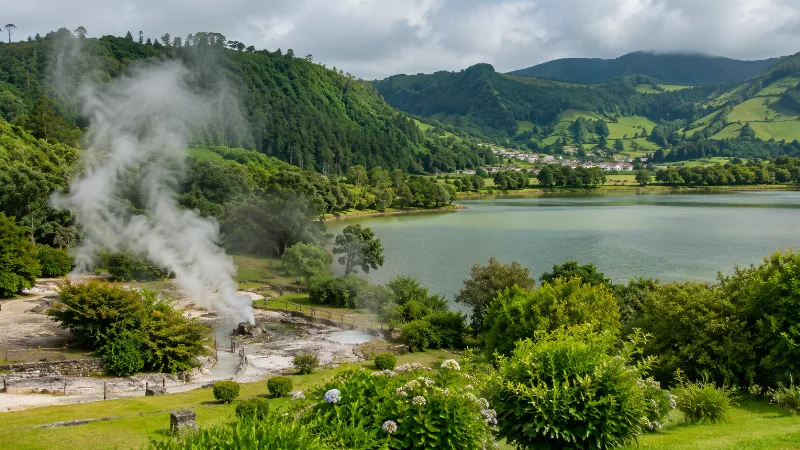
Furnas – Volcanic Springs and Lakeside Scenery
Furnas is a volcanic valley on São Miguel, known for steaming geothermal areas, mineral springs, gardens and a lake surrounded by green slopes.

Madeira or Azores: Which Islands Should You Choose?
Madeira and the Azores offer very different Atlantic island experiences, from hiking and volcanic scenery to weather, transport, towns and travel style.
Peneda-Gerês National Park and its Mountain Villages
Granite peaks, oak woods and stone-built settlements give Peneda-Gerês its particular character. An introduction to Portugal's only national park and the villages scattered through it.
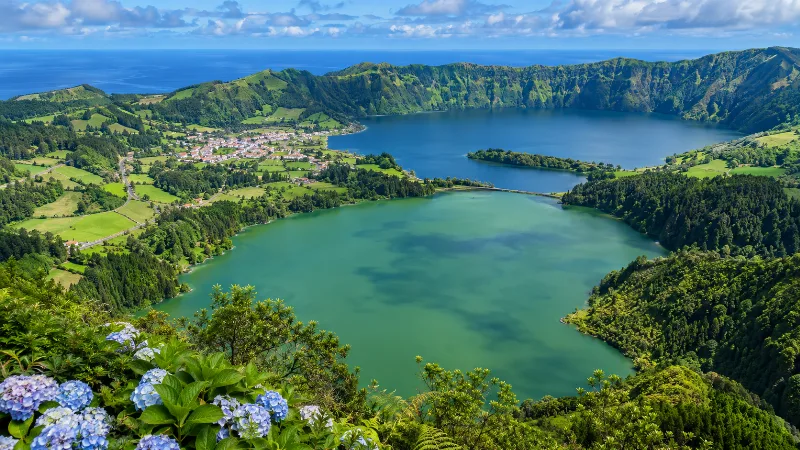
Mainland Portugal or the Islands?
Compare mainland Portugal, Madeira and the Azores according to travel time, transport arrangements and the experiences you want.
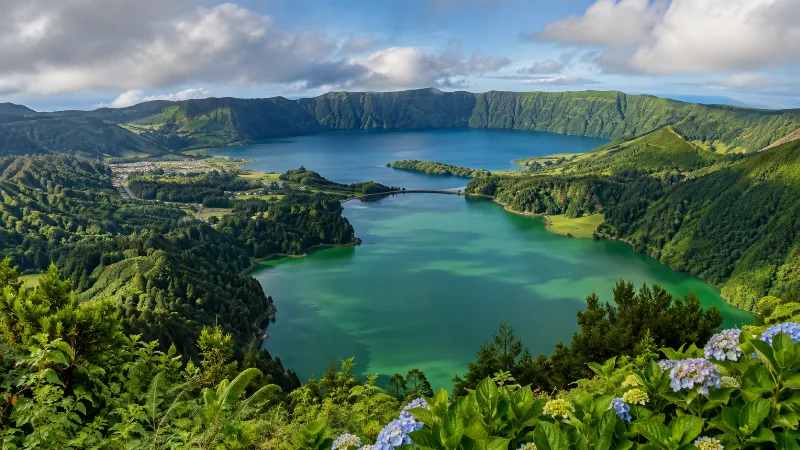
Lagoa das Sete Cidades – Volcanic Lakes of São Miguel
Sete Cidades is a volcanic landscape on São Miguel known for its twin lakes, steep green caldera and expansive viewpoints.
Algarve Cataplana and Coastal Seafood Cooking
The hinged copper cataplana pan gives its name to the Algarve's most characteristic seafood stews. Here is how the pan works, what goes into it and why it matters to coastal cooking in southern Portugal.