
Viana do Castelo
Viana do Castelo combines historic squares, maritime heritage, Atlantic beaches and hilltop views over the Lima River estuary.
Viana do Castelo lies near the mouth of the Lima River in northern Portugal, where a historic centre meets the Atlantic coast. Granite buildings, civic squares and maritime heritage shape the city, while wooded hills and nearby beaches extend the visit beyond its central streets.
Exploring the Historic Centre
Praça da República provides a natural starting point for exploring the old centre. Its fountain and historic buildings reflect the city’s civic heritage.
Neighbouring streets contain churches, traditional houses and shops. Walking through this area reveals carved stonework, balconies and architectural details from different periods.
Discovering the Maritime Heritage
The riverfront offers promenades and views across the Lima. Its open setting contrasts with the narrower streets of the historic centre.
The former hospital ship Gil Eannes, now a museum ship, introduces the history of the Portuguese cod-fishing fleet and the medical support provided to crews at sea. A visit connects the waterfront with the city’s wider Atlantic heritage.
Visiting Santa Luzia
The sanctuary of Santa Luzia stands on the hill above Viana do Castelo. Its elevated position offers views over the city, river mouth and coastline.
The funicular provides an uphill connection when operating. Surrounding paths and wooded areas offer opportunities to spend more time on the hill beyond visiting the sanctuary itself.
Exploring Cabedelo and the Coast
Across the Lima, Cabedelo Beach has a broad sandy shore associated with water sports. It provides a different setting from the urban waterfront.
Other beaches and settlements along the coast introduce more of the Minho region’s Atlantic landscape. Plan these as separate stops, allowing time for travel from the historic centre.
Local Traditions and Planning Your Stay
Traditional costume, embroidery and gold filigree form part of the cultural identity of Viana do Castelo and the surrounding region. Fish dishes and regional food also reflect its maritime connections.
Rail and road links connect the city with Porto and other northern towns. Staying near the centre makes it convenient to combine historic streets and riverside walks, with additional time for Santa Luzia and the coast.
Related content
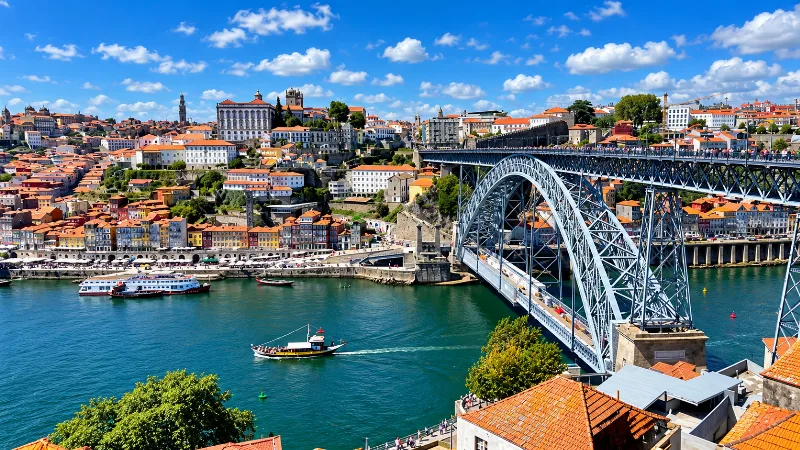
Porto
Porto is a compact northern city of steep streets, granite architecture, riverfront views, historic districts and strong local character.
Viana do Castelo Filigree and Costume Traditions
Viana do Castelo is celebrated for two intertwined traditions: intricate gold filigree jewellery and a richly ornamented regional costume that together express the identity of Portugal's Minho region.
Things to See in Viana do Castelo
Explore things to see in viana do castelo with a practical guide to notable places, regional landscapes, local heritage and travel planning in Portugal.
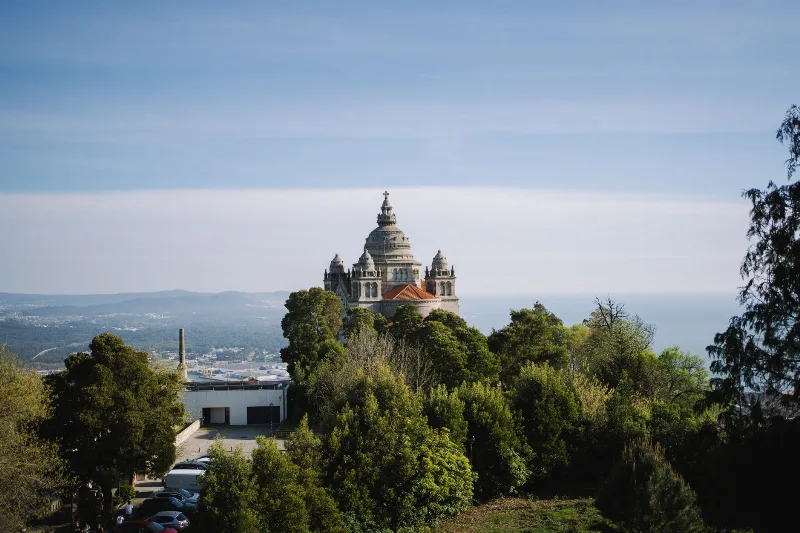
Viana do Castelo
A compact Atlantic city at the mouth of the Lima in northern Portugal, known for its medieval streets, its seafaring past, the sanctuary on Monte de Santa Luzia and the gold-embroidered costumes paraded each August.
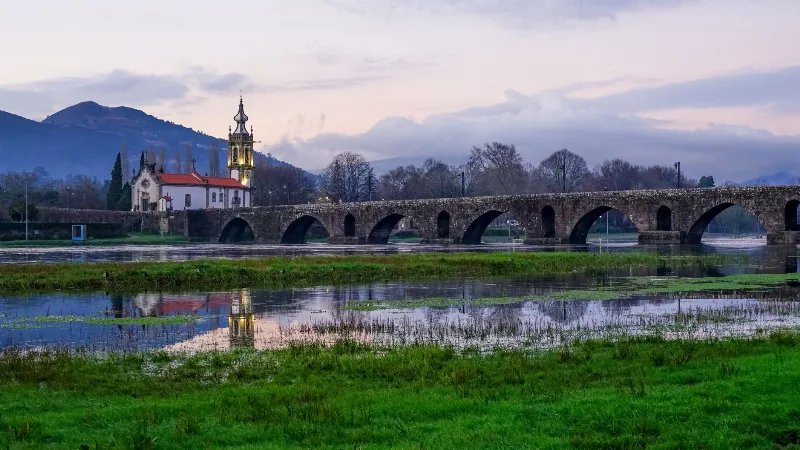
Ponte de Lima
Ponte de Lima straddles the River Lima in Portugal's Minho, where a Roman and medieval bridge, granite streets and riverside gardens shape one of the north's oldest settlements.
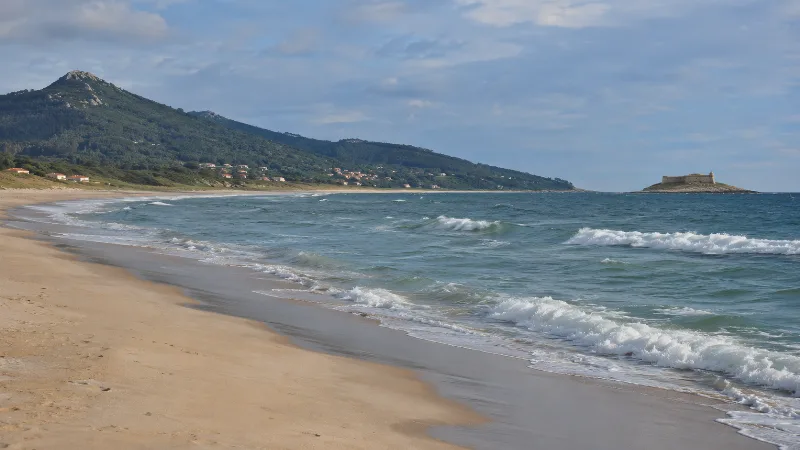
Praia de Moledo – Sandy Shores at Portugal’s Northern Edge
Praia de Moledo is a sandy beach near Caminha, with Atlantic views, surrounding hills and the offshore Ínsua fortress.