
Viana do Castelo Filigree and Folk Costume Traditions
Viana do Castelo is celebrated for two intertwined traditions: intricate gold filigree jewellery and a richly ornamented regional costume that together express the identity of Portugal's Minho region.
On the northern coast of Portugal, where the Lima river meets the Atlantic, the city of Viana do Castelo has long been a centre of craftsmanship and celebration. Two traditions in particular have come to define its cultural character: the delicate art of gold filigree and the elaborate regional dress known as the traje à vianesa. Both reflect a history shaped by maritime trade, religious devotion and the pride of a community that has carried its customs across generations.
Gold Filigree and the Heart of Viana
Filigree, or filigrana in Portuguese, is a technique in which fine metal threads are twisted, coiled and soldered into lace-like patterns. In Viana do Castelo the craft has been practised since at least the seventeenth century, with local goldsmiths developing a distinctive style characterised by delicate openwork and miniature detail.
The most recognisable form is the coração de Viana, a pendant in the shape of a heart. Its origins are bound up with religious symbolism, and its silhouette is thought to echo both sacred iconography and the ornate baroque church interiors found throughout the Minho. Inside the heart, tiny scrolls and spirals of gold thread are arranged to resemble blossoms, stars or flames, often set with a small stone or pearl at the centre. The pendant became a customary gift, traditionally given as a token of affection, and remains the emblem most associated with the city.
How the Craft is Practised
Producing a piece of filigree is a slow and highly skilled process. The goldsmith begins by drawing gold into wire so thin that it is almost hair-like, then shapes it with small pliers and tweezers. Sections are assembled, bonded with solder and finished with careful polishing. Alongside hearts, local workshops produce earrings, brooches, rings and religious ornaments, many of them echoing motifs seen in the region's historic architecture and embroidery. The work is often compared to lacemaking, and the comparison is apt: both crafts transform a few strands of material into something airy, intricate and surprisingly strong.
The Distinctive Viana do Castelo Costume
The traje à vianesa is one of Portugal's most striking regional costumes, and its visual identity comes from a combination of vivid colour, fine embroidery and gold jewellery. A typical outfit includes a linen or cotton blouse, a fitted bodice, a full skirt and a large apron, with a bright scarf worn over the shoulders or tied at the head. The palette leans towards deep reds, blues, greens and golds, and the finest examples feature hand-embroidered floral patterns worked in coloured silk or fine wool.
Jewellery plays a crucial part in completing the look. Gold filigree earrings, chains and the heart pendant are worn with the costume at festivals, and families often pass such pieces down as heirlooms. The richness of the dress was historically an indicator of local identity and personal pride, and it remains a source of considerable affection in the Minho today.
Costume, Craft and Festivity
The traditions of filigree and dress come together most visibly during the Romaria de Nossa Senhora da Agonia, the city's main summer festival, when streets fill with processions, flower-decked parades and women dressed in the full vianesa costume. The event is also a showcase for craftspeople, with filigree makers displaying their work alongside weavers, potters and embroiderers.
For visitors interested in understanding these traditions in depth, the Museu do Traje in the city holds a collection devoted to regional dress and its accessories, while small workshops in the historic centre still demonstrate the goldsmith's craft. Together, the filigree and the costume offer a window into a coastal region where skill, faith and community have long been expressed through objects made to be worn and treasured.
Related content
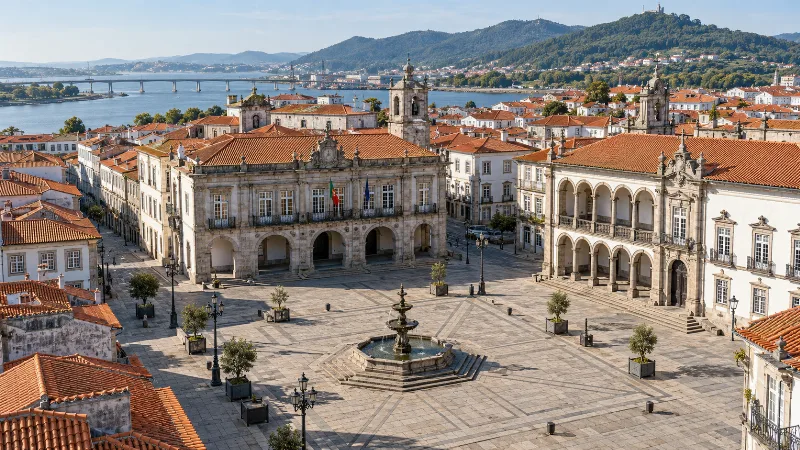
Viana do Castelo
Viana do Castelo combines historic squares, maritime heritage, Atlantic beaches and hilltop views over the Lima River estuary.

Viana do Castelo
A compact Atlantic city at the mouth of the Lima in northern Portugal, known for its medieval streets, its seafaring past, the sanctuary on Monte de Santa Luzia and the gold-embroidered costumes paraded each August.
Things to See in Viana do Castelo
Explore things to see in viana do castelo with a practical guide to notable places, regional landscapes, local heritage and travel planning in Portugal.
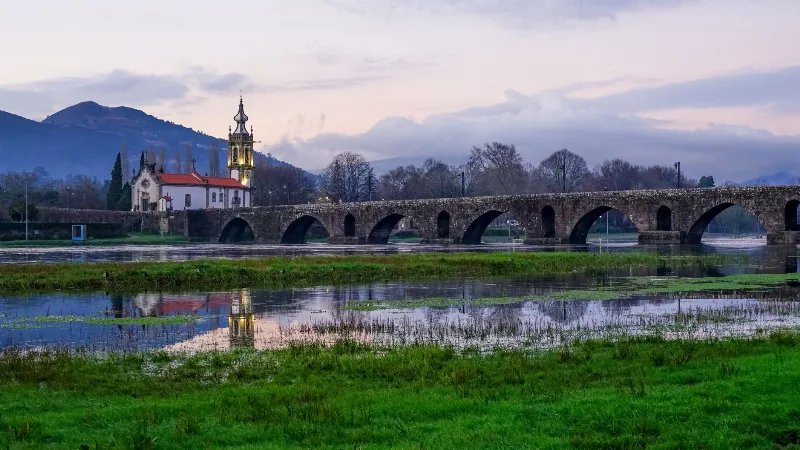
Ponte de Lima
Ponte de Lima straddles the River Lima in Portugal's Minho, where a Roman and medieval bridge, granite streets and riverside gardens shape one of the north's oldest settlements.
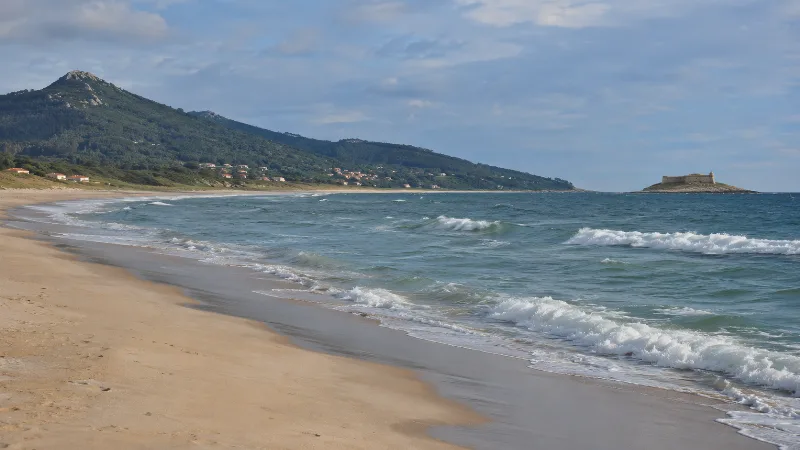
Praia de Moledo – Sandy Shores at Portugal’s Northern Edge
Praia de Moledo is a sandy beach near Caminha, with Atlantic views, surrounding hills and the offshore Ínsua fortress.
Vinho Verde and the Lima Valley Vineyards
The Vinho Verde region of north-west Portugal is defined by granite ground, Atlantic rain and densely planted vineyards. The Lima valley, one of its sub-regions, shows how landscape and local tradition shape the wines.
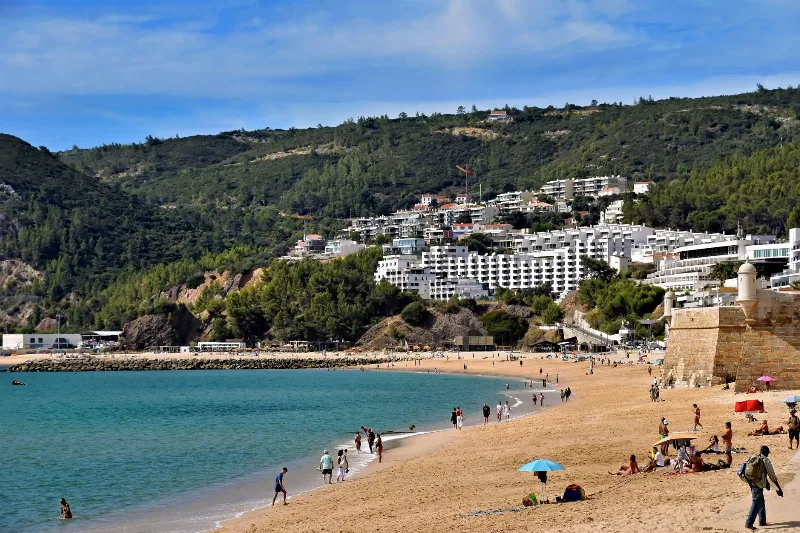
Best Regions to Visit in Portugal
Discover Portugal's most popular travel regions, from the historic cities of Lisbon and Porto to the beaches of Algarve, the countryside of Alentejo and the Atlantic islands.
Barcelos
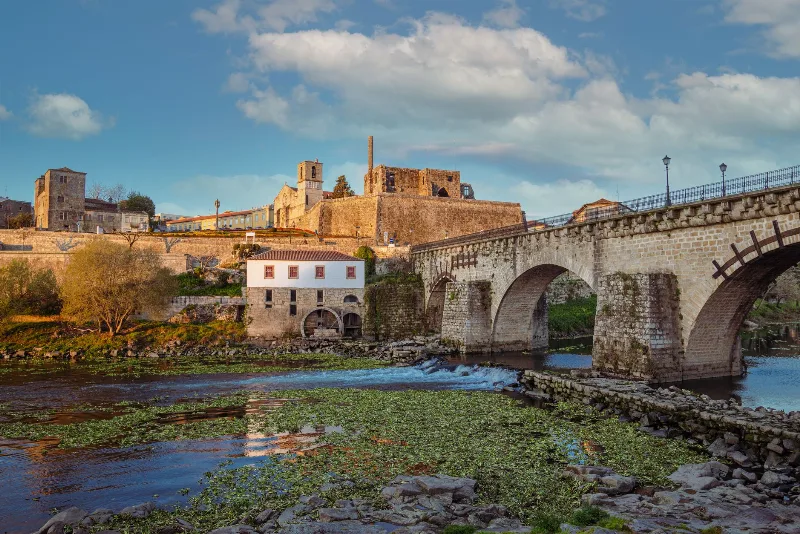
A Minho town built around a medieval bridge and a long-running Thursday fair, Barcelos is the home of Portugal's rooster legend and a living centre of popular craft.