
Vinho Verde and the Lima Valley Vineyards
The Vinho Verde region of north-west Portugal is defined by granite ground, Atlantic rain and densely planted vineyards. The Lima valley, one of its sub-regions, shows how landscape and local tradition shape the wines.
Vinho Verde is the name of both a wine region in the far north-west of Portugal and the style of wine it produces. The region runs inland from the Atlantic coast, bounded broadly by the River Minho to the north, the mountains of the interior to the east and the Douro to the south. Abundant rainfall, granite bedrock and an unusually dense patchwork of small vineyards give it a character quite unlike anywhere else in the country, and the Lima valley forms one of its most attractive sub-regions.
A Landscape Shaped by Atlantic Weather and Granite
This is one of the wettest parts of Portugal, with most rain falling between autumn and spring and mild, humid conditions persisting for much of the year. Soils are thin and acidic over granite, often sandy and quick-draining, and growers have long favoured slopes and river terraces where excess water runs away. The climate also encourages fungal disease in the vineyard, which explains much about how vines are trained here. The result is a landscape of extraordinary greenery: hedgerows, woodland, small fields of maize and vegetables, and vines threaded through all of it.
The Lima Valley Sub-region
The River Lima rises in Galicia and flows south-west through Arcos de Valdevez, Ponte da Barca and Ponte de Lima before meeting the Atlantic at Viana do Castelo. Vineyards occupy the terraces and gentle slopes on either side of the water, often in narrow plots divided among many owners. The valley is sheltered and lush, with granite hamlets, stone walls and small chapels set among the vines. Lima is one of the region's recognised sub-zones, alongside Monção e Melgaço, Basto, Amarante, Baião, Sousa and Paiva, each with its own emphasis on particular grape varieties. To the north-east, the upper tributaries of the Lima touch the edges of the Peneda-Gerês mountains, adding a wilder, higher landscape to the valley's surroundings.
How the Vines Are Grown
The most distinctive feature of a Vinho Verde vineyard is height. Traditionally vines are trained on a latada, a horizontal trellis of granite posts and wire raised well above head level and often running along field boundaries, over paths or beside houses. Older plots use the enforcado system, in which vines climb tall trees and trail from their crowns. Raising the canopy improves airflow around the fruit, reduces humidity in the cluster zone and allows the ground beneath to be cultivated for other crops. Modern plantings increasingly use conventional upright trellising, but the overhead forms remain the defining image of the region. Holdings are small, and many growers deliver their grapes to local co-operatives rather than making wine themselves.
Grape Varieties and Wine Styles
White grapes dominate, with Loureiro valued for its floral, laurel-like aroma, Alvarinho for weight and perfume, and Arinto, known locally as Pedernã, for firm acidity. Trajadura, Avesso and Azal add body and freshness in blends. Red varieties include Vinhão, which gives deeply coloured, sharply refreshing wines, along with Borraçal, Espadeiro and Padeiro. Vinho Verde is made as white, red, rosé and sparkling wine. The whites are typically light in alcohol, high in acidity and often carry a faint prickle of carbon dioxide; they are bottled young to keep their freshness, and the name refers to the green countryside and to wine drunk early rather than to any colour in the glass. Red Vinho Verde is traditionally served cool.
Towns and Villages Along the Lima
Ponte de Lima takes its name from the long stone bridge that crosses the river on Roman foundations, rebuilt in the medieval period and still carrying a footpath across the water. The old town behind it has granite streets, a riverside square and manor houses with private chapels. Ponte da Barca and Arcos de Valdevez continue the pattern of small historic centres beside the river, each with bridges, churches and a quiet riverside setting. Further downstream, Viana do Castelo marks the point where the Lima reaches the sea, with a historic centre and a hilltop sanctuary overlooking the estuary.
The Vineyards Through the Seasons
Because of the constant moisture, the valley stays green for most of the year. Spring brings new growth and a soft, luminous haze over the terraces; summer closes the canopy into dense tunnels of leaf that shade the ground below; autumn turns the woodland and the vine leaves and brings the harvest in, with picking often done by hand on the steepest plots. Even in winter, when the granite shows through bare wood, the mossy walls and damp fields keep their colour. Walking routes and minor roads along the Lima give a clear sense of how closely vineyards, water and settlement are woven together here, and of why this corner of Portugal produces wines with such a recognisably Atlantic character.
Related content
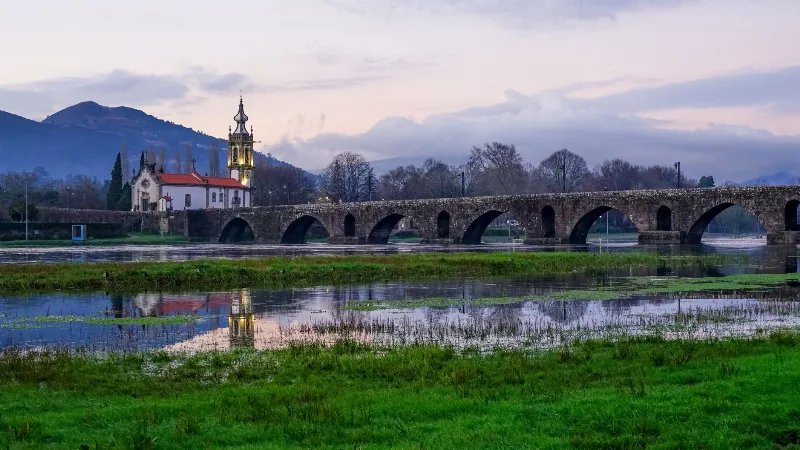
Ponte de Lima
Ponte de Lima straddles the River Lima in Portugal's Minho, where a Roman and medieval bridge, granite streets and riverside gardens shape one of the north's oldest settlements.
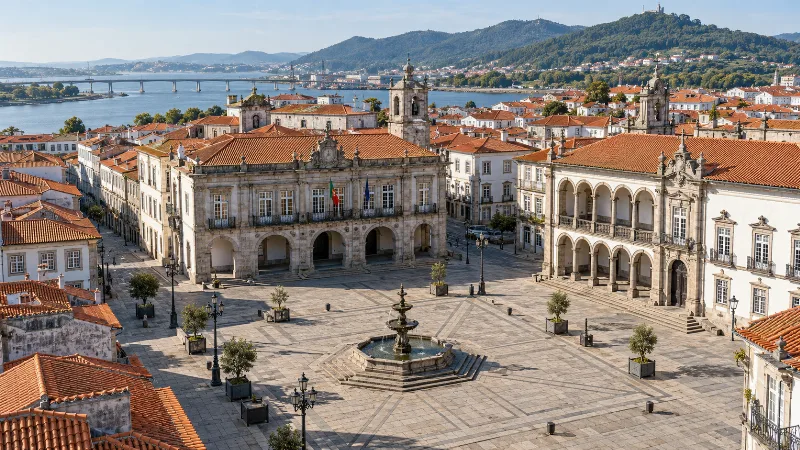
Viana do Castelo
Viana do Castelo combines historic squares, maritime heritage, Atlantic beaches and hilltop views over the Lima River estuary.
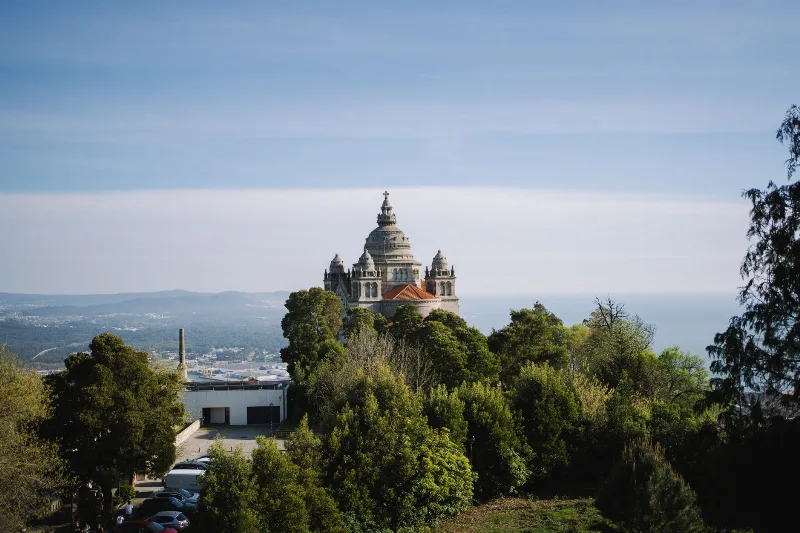
Viana do Castelo
A compact Atlantic city at the mouth of the Lima in northern Portugal, known for its medieval streets, its seafaring past, the sanctuary on Monte de Santa Luzia and the gold-embroidered costumes paraded each August.
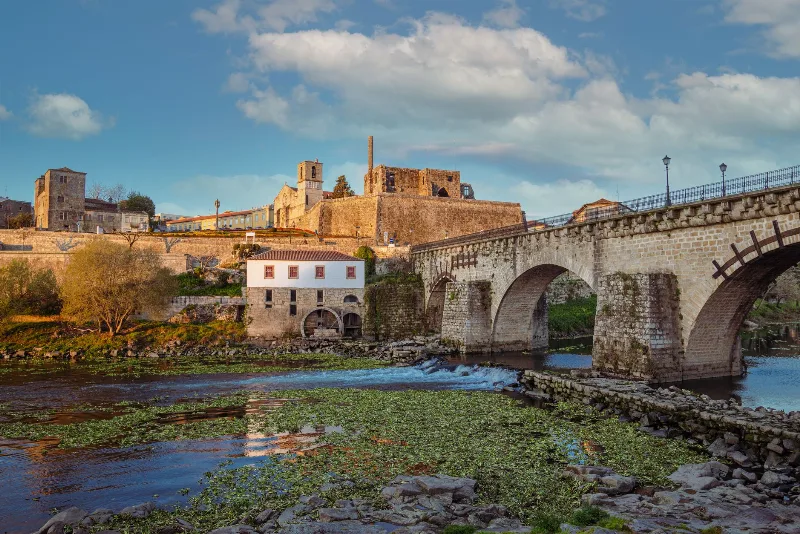
Barcelos
A Minho town built around a medieval bridge and a long-running Thursday fair, Barcelos is the home of Portugal's rooster legend and a living centre of popular craft.
Vila do Conde
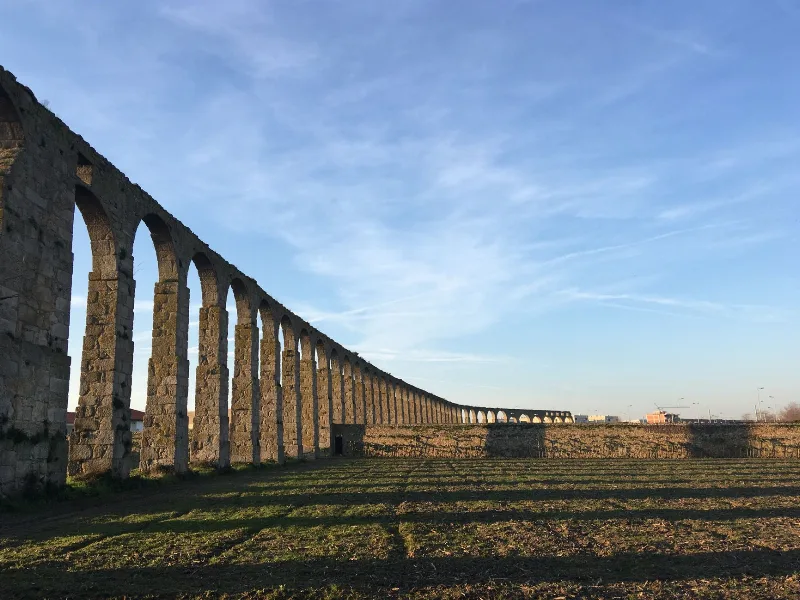
A working coastal town at the mouth of the Ave in northern Portugal, known for its shipbuilding past, its lace makers and the great convent and aqueduct of Santa Clara.
Things to See in Viana do Castelo
Explore things to see in viana do castelo with a practical guide to notable places, regional landscapes, local heritage and travel planning in Portugal.
Northern Portugal
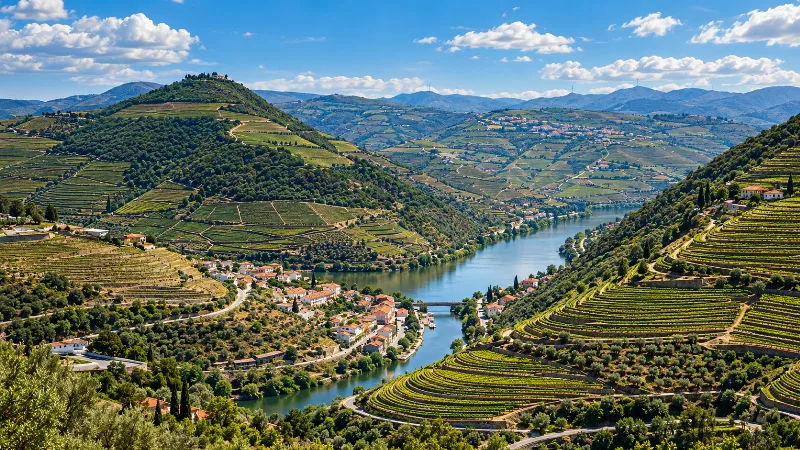
Explore Porto, the Douro Valley, Braga, Guimarães, Peneda-Gerês and the green landscapes, food traditions and historic cities of northern Portugal.
Viana do Castelo Filigree and Costume Traditions
Viana do Castelo is celebrated for two intertwined traditions: intricate gold filigree jewellery and a richly ornamented regional costume that together express the identity of Portugal's Minho region.