
Portuguese Culture and Social Etiquette
An introduction to greetings, conversation, visiting, dining and considerate everyday interactions in Portugal.
Understanding Portuguese culture and social etiquette begins with observing the people and setting around you. Habits differ between generations, families, workplaces and regions, so broad descriptions are best treated as starting points. A formal appointment, a neighbourhood café and a gathering with friends may each call for a different style of interaction. Simple greetings are useful in many situations. Bom dia, boa tarde and boa noite acknowledge the people you meet, while por favor and obrigado or obrigada express courtesy. Speakers traditionally choose obrigado or obrigada according to their own gender. When unsure about pronunciation or wording, a brief polite attempt and a willingness to listen can help establish a comfortable exchange. Forms of address depend on familiarity and context. In a professional or administrative setting, beginning politely and following the other person’s lead is a practical approach. Do not assume that using a first name means every conversation is informal. Physical greetings also vary, so allow the other person to indicate whether a handshake, cheek greeting or simple verbal greeting is appropriate. Everyday conversation often develops through ordinary topics such as food, the local area and shared activities. Ask questions without expecting one person to represent the whole country. Portuguese and Spanish are distinct languages, and checking whether someone prefers Portuguese, English or another language is more considerate than making an assumption. At a café or restaurant, notice whether orders are taken at the table or counter. Ask about unfamiliar dishes and clarify dietary requirements directly. When sharing a meal, check how the group intends to order and divide the bill. Service styles differ, and a clear question is usually more reliable than applying customs from another country. If invited to someone’s home, confirm the time and ask whether you should bring anything. Follow the household’s preferences about shoes, seating and meal arrangements. A small gesture may be welcome, but personal preferences matter more than a fixed rule. In shared residential spaces, keep entrances and corridors clear and be mindful of noise. Local relationships often grow through repeated, respectful contact rather than a single formal introduction. Libraries, clubs and community activities can provide settings for those connections. Observing, asking and adapting allows you to learn local habits without treating cultural tendencies as rules that apply to everyone.
Related content

Portuguese Coffee Culture
Understand espresso, regional coffee names, milk-based orders and the role of cafés and pastelarias in Portuguese daily life.
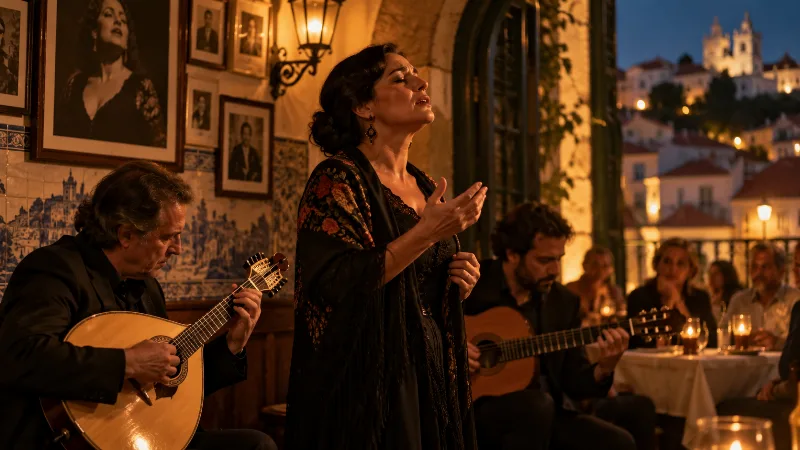
Fado
Fado is one of Portugal’s most distinctive musical traditions, closely associated with Lisbon and Coimbra and shaped by themes of memory, longing and everyday life.

São João
São João is Porto’s major midsummer celebration, filling the city with street gatherings, music, decorations, food, fireworks and long-standing local traditions.
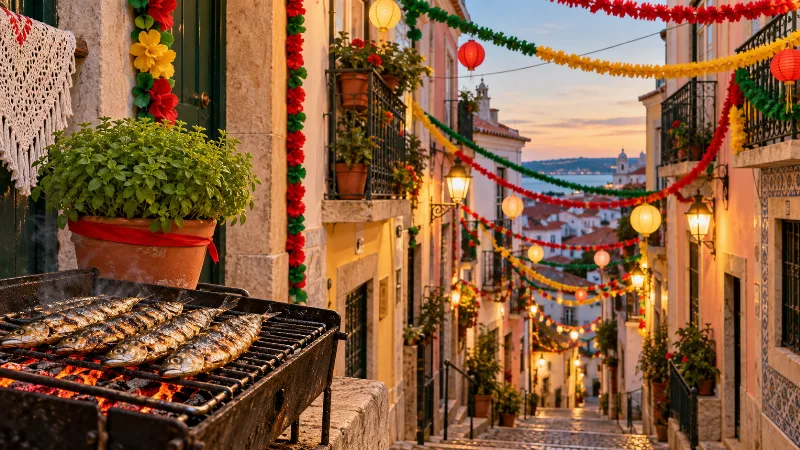
Santo António in Lisbon
Discover Lisbon’s June celebrations through neighbourhood festivities, popular marches, grilled sardines and the manjerico tradition.
Cante Alentejano Polyphonic Singing
Cante Alentejano is an unaccompanied polyphonic singing tradition from Portugal’s Alentejo, kept alive by amateur choirs and local communities. This article explains its vocal roles, themes, social importance and UNESCO-recognised heritage status.