
Santo António in Lisbon
Discover Lisbon’s June celebrations through neighbourhood festivities, popular marches, grilled sardines and the manjerico tradition.
Santo António is central to Lisbon’s June celebrations. His feast day falls on 13 June, with the preceding evening traditionally marking a major moment in the festivities. The wider Festas de Lisboa programme brings music, decorations and gatherings to different parts of the city throughout the month.
Neighbourhood Street Festivities
Arraiais are local street celebrations where food, music and conversation share the same space. Neighbourhoods such as Alfama, Graça, Mouraria and Madragoa are associated with these gatherings, although participating locations and programmes vary.
Paper decorations stretch above streets and squares, while temporary stalls and tables create places to gather. Each neighbourhood contributes its own setting and community traditions.
The Marchas Populares
The marchas populares bring together neighbourhood groups for coordinated performances featuring music, costumes and choreography. Preparations involve local associations and participants, making the performances an expression of neighbourhood identity.
The parade on Avenida da Liberdade is traditionally associated with the evening of 12 June. Check the current municipal programme for the relevant year before planning your visit.
Grilled Sardines and Shared Meals
Grilled sardines are closely associated with the celebrations, often served with bread or as part of a plate. Neighbourhood stalls also offer other dishes and drinks, with choices differing between locations.
Eating outdoors is part of the occasion. Tables, food stalls and informal gatherings bring residents and visitors together, connecting the festivities with the everyday social life of the neighbourhood.
Manjerico and Marriage Traditions
Small pots of manjerico are a familiar symbol of the season. The compact green plants are often decorated with a paper flower and a short verse expressing affection or humour.
The pots are sold or exchanged during the celebrations. Santo António is also associated with matchmaking and marriage traditions, adding another cultural dimension to the festivities.
Planning Your Visit
Choose a neighbourhood or performance as the focus of your evening, leaving time to explore without rushing between distant locations. Confirm event details and transport arrangements through current local information.
The celebrations take place in residential streets, so keep doorways clear and follow organisers’ directions. Visiting the same neighbourhood during daylight offers another perspective on the streets that host the evening gatherings.
Related content
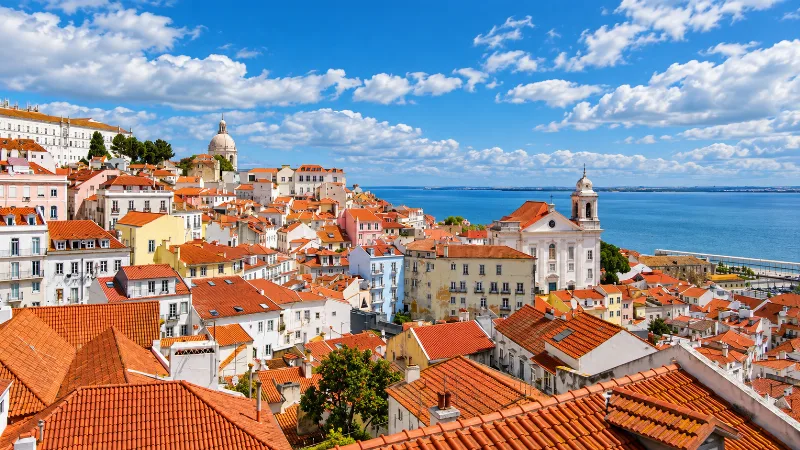
Lisbon
Portugal’s capital combines historic neighbourhoods, river views, tiled façades, viewpoints and an energetic everyday city life.
Fado and Lisbon's Alfama Neighbourhood
Fado is Portugal's most recognisable song form, and Alfama, the oldest quarter of Lisbon, remains its spiritual home. Here is how the music and the lanes where it is sung belong together.
The Salt Pans of Castro Marim and Sapal Nature Reserve
A look at the traditional salt pans and tidal marshes around Castro Marim in the eastern Algarve, where hand-harvested salt, wading birds and the Guadiana estuary exist side by side.
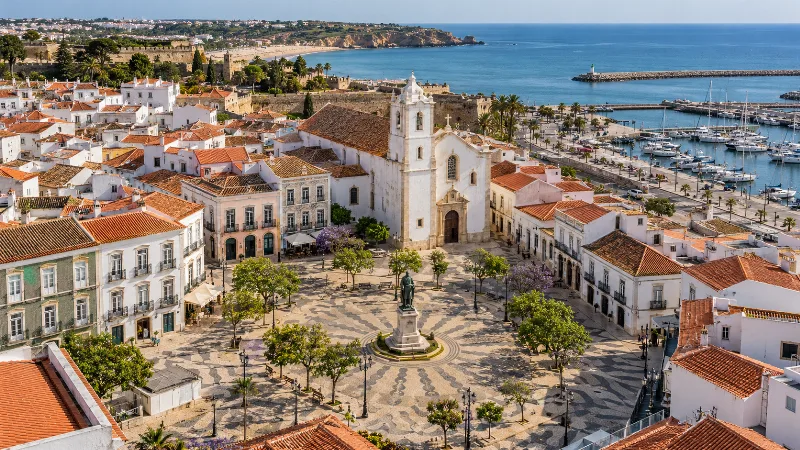
Lagos
Lagos combines a historic Algarve centre, small sandy beaches, coastal cliffs and the rock formations of Ponta da Piedade.
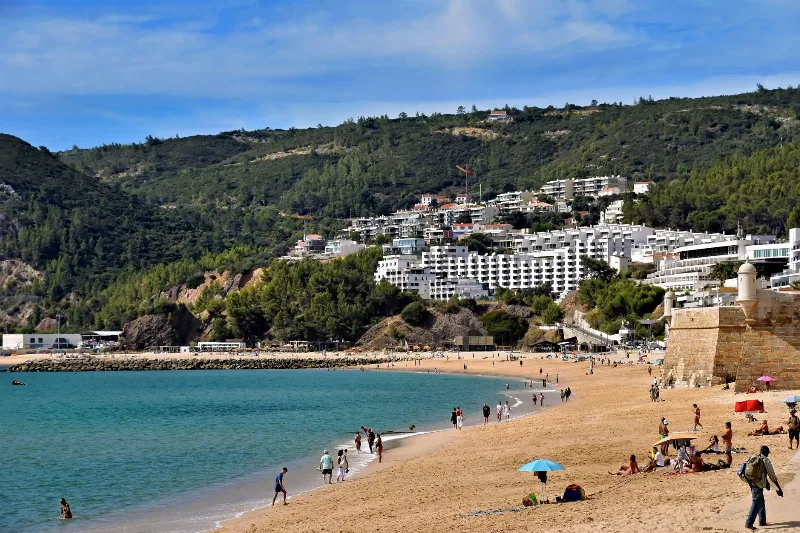
Best Regions to Visit in Portugal
Discover Portugal's most popular travel regions, from the historic cities of Lisbon and Porto to the beaches of Algarve, the countryside of Alentejo and the Atlantic islands.
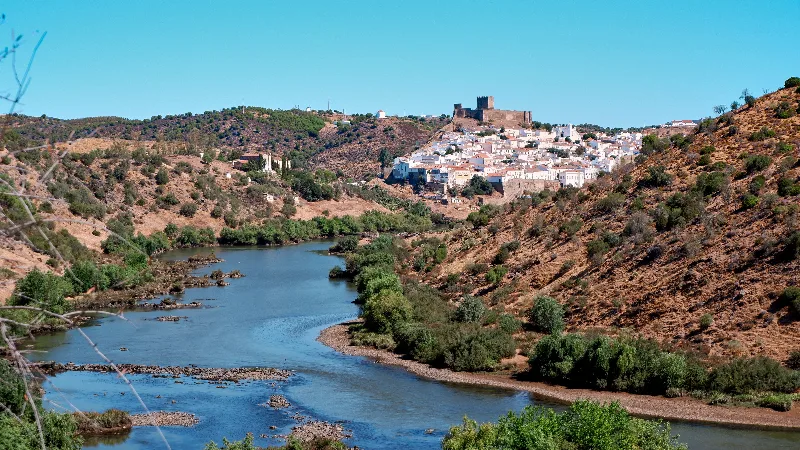
Beja
Beja is a hilltop city in the Baixo Alentejo, once the Roman town of Pax Julia, whose marble-grey castle keep rises above a plain of wheat, olive groves and cork oak. Its old convent now holds one of southern Portugal's richest regional museums.