
Pão de Ló de Ovar and its Sponge Cake Tradition
Baked in the coastal town of Ovar in the Aveiro district, Pão de Ló de Ovar is a Portuguese sponge cake prized for its soft, almost creamy centre. This article looks at how it is made, why its texture is so distinctive and where it fits into local life.
Pão de Ló de Ovar is a Portuguese sponge cake made in and around the town of Ovar, on the low coastal plain south of Porto in the Aveiro district. It belongs to the wider family of pão de ló sweets found throughout Portugal, but it is set apart by its texture: a thin, golden top crust over a crumb that stays damp, soft and almost creamy towards the middle. Local bakers regard that half-set centre not as a flaw but as the whole point of the cake, and it is the reason the sweet is often eaten with a spoon rather than a knife.
What sets Pão de Ló de Ovar apart
Most Portuguese sponge cakes are expected to be light and evenly baked. The Ovar version deliberately stops short of that. The batter is poured into a tin lined with baking paper, and the cake is taken from the oven while the interior is still trembling and moist, so that the crust holds a softer layer beneath it. The result is a cake with a pronounced egg flavour and a sweetness that is rich without being heavy.
Size and shape vary from one bakery to another. Some are broad, shallow rounds intended for slicing at the table; others are deeper and sold whole, wrapped in paper, to be carried home. What remains constant is the proportion of eggs to flour, which is unusually generous, and the short, hot bake that produces the characteristic contrast between crust and centre.
Eggs, sugar and flour in a simple method
The ingredient list is short: eggs, sugar and wheat flour, with nothing else in the most traditional recipes. Whole eggs and sugar are beaten together for a long time until the mixture turns pale, thick and full of air, which is what gives the cake its rise in place of a raising agent. The flour is then folded in gently to keep that air in the batter. Some bakers add a pinch of salt, and a few add a spoonful of water to loosen the mixture.
The batter goes into a paper-lined tin and into a hot oven for a comparatively brief period. Much of the skill lies in judging the moment to remove it: too long and the centre sets, losing the moistness that defines the Ovar style; too little and the cake collapses. The paper lining is part of the tradition as well, protecting the sides and giving the finished cake its slightly wrinkled, homespun appearance.
A tradition rooted in the Aveiro region
Portugal's egg-rich confectionery is closely associated with its convents, where large quantities of yolks were left over after whites were used for other purposes, and where sweets were made with sugar and almonds in great variety. The Aveiro region, with its lagoon, salt pans and market towns, developed its own versions of these recipes, and Ovar became known locally for its sponge cake.
Over time the cake moved from domestic kitchens into small bakeries and pastry shops, where families passed the method from one generation to the next. Today the name is protected by geographical indication status, which ties production to the municipality of Ovar and sets out the basic rules of the method, so that a cake sold under the name must come from the area and follow its established practice.
Where the cake appears in Ovar's year
The cake is an everyday item in local pastry shops, sold whole, in halves or by weight, usually wrapped in paper. It also has a festive role. Ovar is well known for its Carnival, one of the most colourful in northern Portugal, and the cake is among the sweets that visitors are most likely to meet during that period. It appears again at Christmas and Easter, at parish festivals and at local fairs, where it is bought to share at home.
Its plainness makes it adaptable. It is served with coffee in the morning, as a dessert with a glass of port or a light wine, or simply on its own. A dusting of cinnamon is optional and by no means universal; many people prefer the flavour of the egg and the faint caramel taste of the crust without any addition.
Tasting and keeping
Pão de Ló de Ovar is at its best at room temperature, when the centre is still soft and the crust retains a little firmness. A spoon is the practical choice for the middle, a knife for the outer slices. Because it contains no butter and little besides eggs, sugar and flour, it keeps reasonably well for a few days if stored wrapped and away from the air, though the texture gradually firms. For anyone interested in Portuguese baking, it is a clear illustration of how a handful of ingredients and one well-judged moment in the oven can produce a cake that is instantly recognisable.
Related content
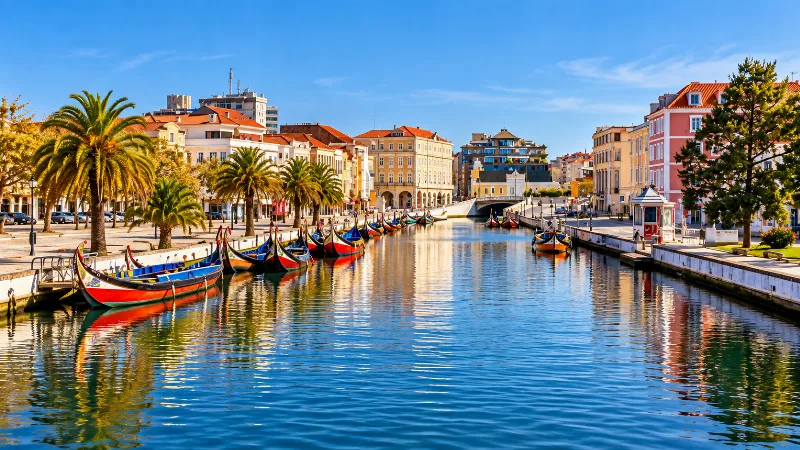
Aveiro
Aveiro is a small coastal-region city with canals, Art Nouveau details, colourful boats and easy access to lagoons and Atlantic landscapes.
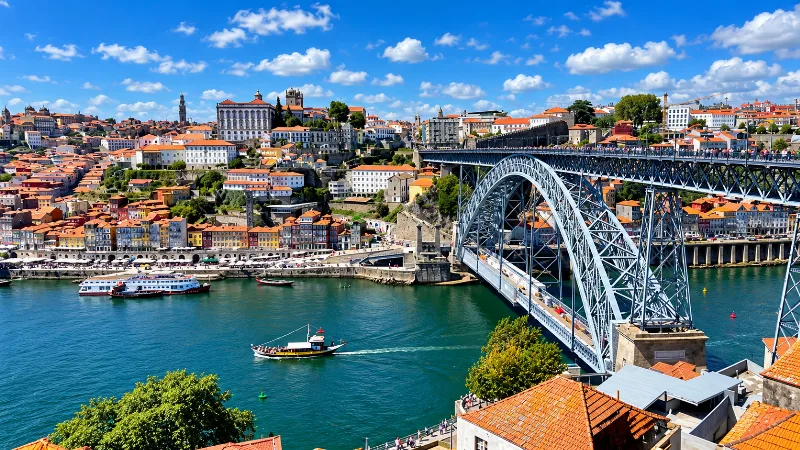
Porto
Porto is a compact northern city of steep streets, granite architecture, riverfront views, historic districts and strong local character.
Ovos Moles de Aveiro and Conventual Sweets
Ovos moles de Aveiro are the most famous expression of Portugal's conventual pastry tradition, a smooth egg-yolk and sugar sweet sealed inside wafer-thin shells. Their story links Portuguese convents, Atlantic sugar and the maritime character of Aveiro.
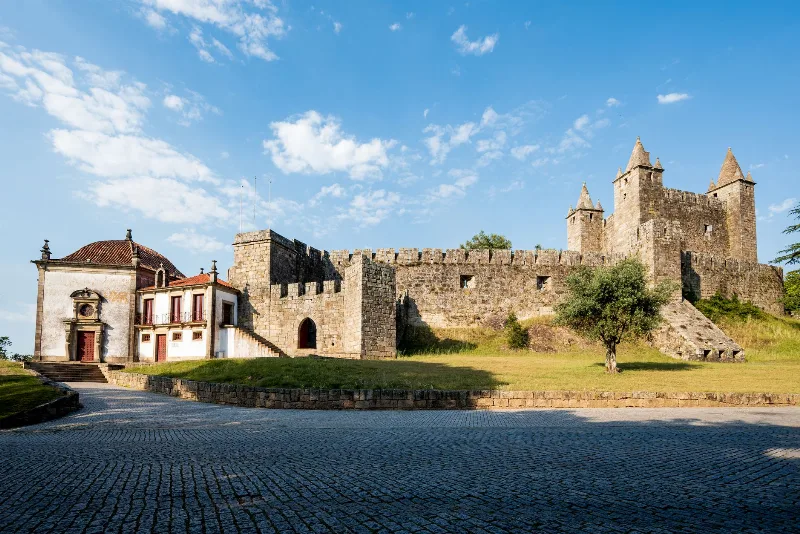
Santa Maria da Feira
A city and municipality in Portugal's Aveiro district, Santa Maria da Feira grew up around a medieval castle and a famous annual fair. It combines a historic centre with a heavily industrialised landscape, cork processing above all.
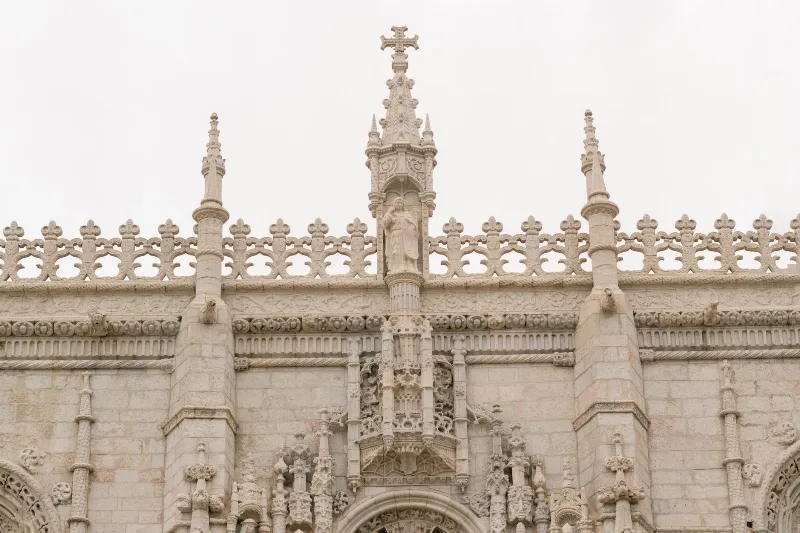
Alcobaça
A small town in central Portugal that grew up around one of Europe's best-preserved Cistercian abbeys, with a medieval monastic complex at its heart and a valley of orchards beyond it.

Central Portugal
Discover Coimbra, Aveiro, Serra da Estrela, Atlantic landscapes, mountain villages and the varied historic and natural scenery of central Portugal.