
Planning Travel Between Portugal’s Regions
Arrange a practical Portugal route by checking transport connections, overnight stops and the full time needed between regions.
Planning travel between Portugal’s regions starts with connections rather than a list of attractive places. A workable route follows journeys that are available on your dates and leaves enough time at each stop. Map the places you want to visit, then check how you will actually travel between them. Distance on a map is useful context, but it does not explain transfers, station access or the time spent changing accommodation.
Group Nearby Destinations
Organise your preferred stops into geographical groups before assigning nights. Places within the same region may share a useful base, while others are better approached as a separate stage. Compare a return excursion with moving your luggage and checking into another property. A small reduction in sightseeing distance may not justify the time needed to relocate an entire stay.
Check the Real Connections
Look up the exact origin and destination for each journey. A town may have a railway station outside its centre, or the useful coach may depart from a different terminal. Search both direct and connecting options using current operator information. Check the direction and operating day carefully, particularly when a connection is essential to reaching an outlying accommodation before check-in closes.
Count Door-to-Door Travel
Record the walk or local journey to the departure point, a sensible boarding allowance, the main service and the final transfer. Add time to collect stored bags or reach your next accommodation. This produces a more realistic travel block than the train or coach duration alone. Treat a substantial move as part of the day’s activity rather than invisible time between visits.
Put Overnight Stops in Order
Arrange bases so that you move through the intended area without repeatedly returning over the same ground. Compare the first and final airports with the sequence of stops. A route can work in either direction, but flight times and available connections may favour one. Keep reservations and transfer details together so that a change to one stage can be checked against the next.
Leave Room for Adjustments
Separate essential journeys from optional excursions. If a museum visit can move to another afternoon, preserve that flexibility instead of placing every activity in a narrow sequence. An island connection adds another transport stage and should be planned explicitly. For rural stops, confirm the last local connection and the return arrangement. A practical itinerary remains enjoyable when an ordinary journey takes longer than expected. Write the complete sequence in a single itinerary, including local transfers, so that gaps between separately booked services become visible.
Related content
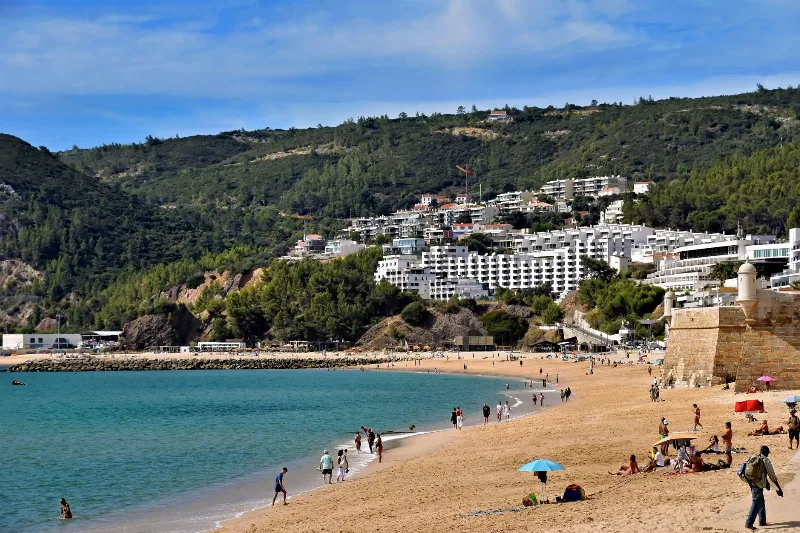
Best Regions to Visit in Portugal
Discover Portugal's most popular travel regions, from the historic cities of Lisbon and Porto to the beaches of Algarve, the countryside of Alentejo and the Atlantic islands.
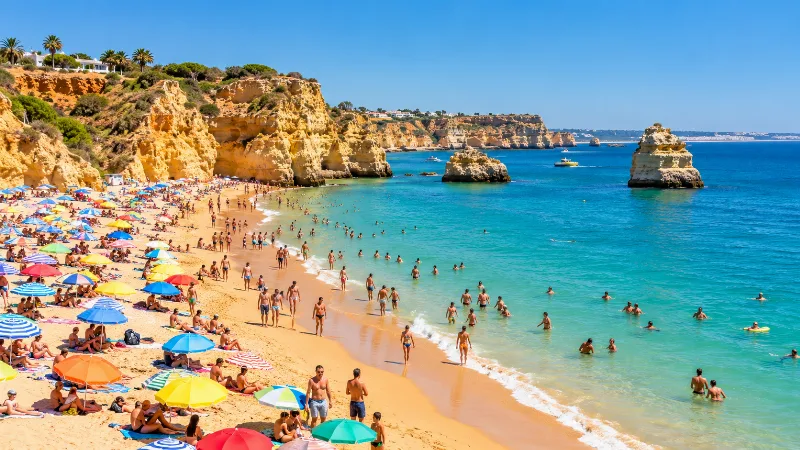
Portugal in Summer: Weather, Crowds and Travel Tips
Plan comfortable summer travel across Portugal’s cities, beaches and rural regions.
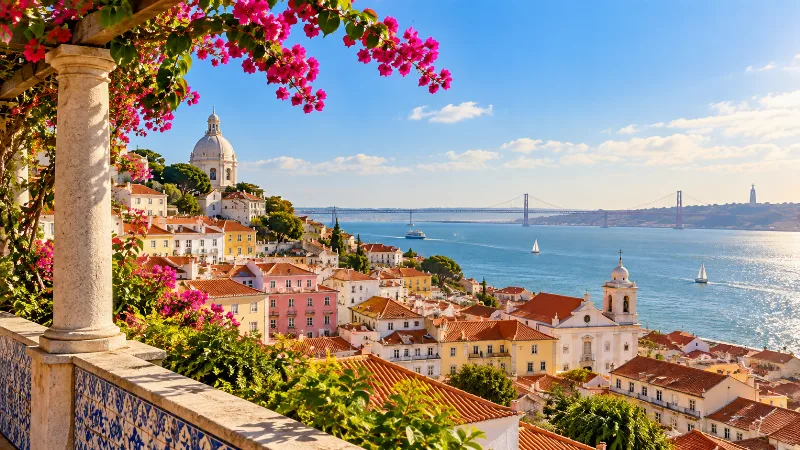
Best Time to Visit Portugal
Portugal can be visited year-round, but the best time depends on region, weather, crowd levels, outdoor plans and the type of trip you want.
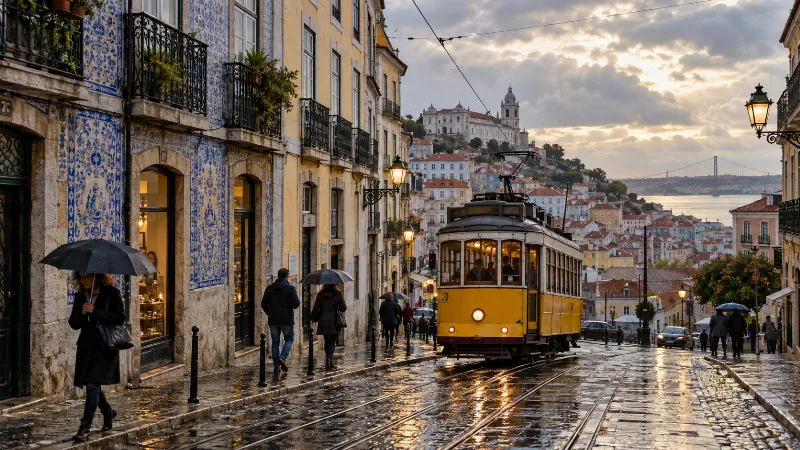
Portugal in Winter: What to Expect
Discover seasonal travel conditions, city experiences and winter landscapes in Portugal.
Getting Around Portugal
Portugal is easy to explore with a mix of trains, buses, metro systems, ferries, domestic flights and rental cars, depending on the route.