
Alvão Natural Park – Granite Villages and Mountain Waterfalls
Alvão Natural Park is a mountain landscape in northern Portugal, with granite villages, upland pastures and the waterfalls of Fisgas de Ermelo.
Alvão Natural Park lies in northern Portugal, in the mountain landscape between the Vila Real and Mondim de Basto areas. It brings together upland villages, exposed rock, pastures and the valley of the River Olo. The park is often associated with Fisgas de Ermelo, but its appeal extends beyond the waterfalls. A visit can reveal how the landscape changes between higher open ground and lower, more enclosed valleys, with rural settlements forming part of the scene. The area around Lamas de Olo provides a useful introduction to the uplands. Granite buildings, fields and mountain vegetation create a setting that differs from the river gorge farther west. Walking through a village and then looking back across the surrounding ground helps connect the built environment with the materials and terrain around it. These are inhabited places rather than outdoor exhibits, so keep everyday access clear and treat village life as part of the visit. Fisgas de Ermelo offers the park’s best-known waterfall scenery. The River Olo passes through a rocky landscape where the water descends in a sequence rather than appearing as one simple vertical drop. Established viewpoints allow visitors to appreciate the scale of the valley and the relationship between the river and the rock. Longer walks give different perspectives, but they should be chosen for their full distance and terrain rather than only the attraction named at the end. A varied day can combine an upland village, a viewpoint and a manageable walk. This approach makes the contrast within the park easier to appreciate than a drive straight to the waterfalls and back. Visitors interested in photography can look for both wide views and smaller details such as stone walls, flowing water and the patterns of pasture. Those interested in rural landscapes may prefer to spend more time around the villages and less on a demanding trail. Spring often suits a visit that combines walking with attention to the river and vegetation. Autumn provides another useful period for exploring the landscape at a measured pace. Summer can be attractive for longer daylight, although exposed walking is best planned around the actual temperature and available shade. In winter, weather and visibility have a stronger influence on the choice of route. Waterfall appearance varies with recent conditions, so photographs from another season should not be treated as a promise of the view on arrival. Vila Real is a convenient base on the eastern side, while Mondim de Basto is relevant for approaches from the west. A car makes it easier to combine villages and viewpoints, since these places are spread across mountain roads rather than grouped around one entrance. If travelling without a vehicle, organise the local part of the journey in advance. Build generous time into the route for slower roads and stops, and avoid using map distance alone to judge how much can fit into a day. Nearby places can extend the trip without replacing the park as its focus. Vila Real adds an urban stop, while Mondim de Basto provides access to another part of the surrounding countryside. The wider Marão landscape is also relevant to a longer northern Portugal itinerary. For a first visit, choose a small number of stops within Alvão itself, allowing time to see both its village setting and the river landscape that gives the park much of its character.
Related content
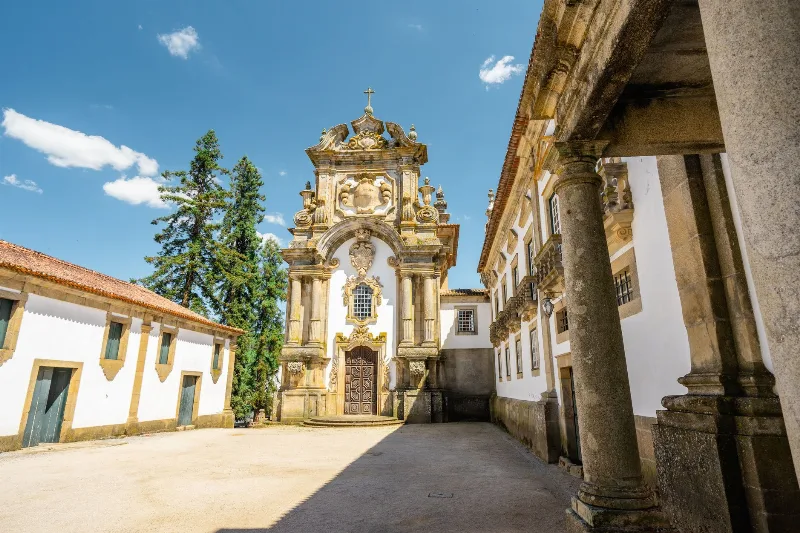
Vila Real
Vila Real is the district capital of northern Portugal's Trás-os-Montes, a granite town set above the Corgo gorge, with a noble old quarter, a university and the Baroque Palace of Mateus a short drive away.
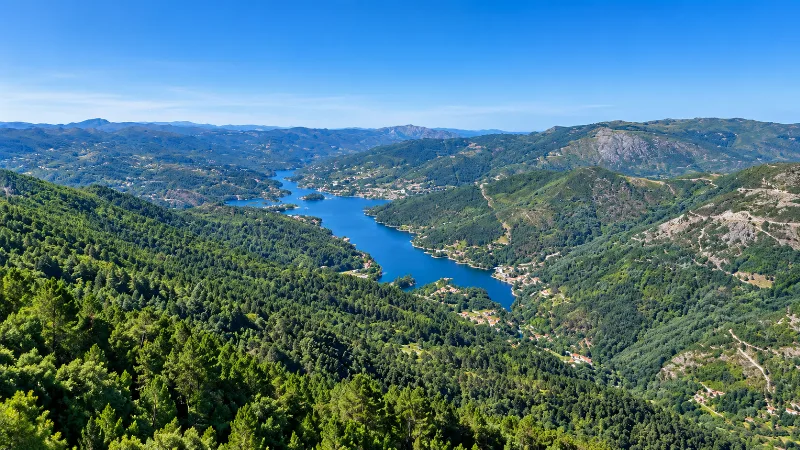
Peneda-Gerês National Park
Portugal’s only national park combines granite mountains, forests, rivers, traditional villages, wildlife and extensive walking landscapes in the far north.
Peneda-Gerês National Park and its Mountain Villages
Granite peaks, oak woods and stone-built settlements give Peneda-Gerês its particular character. An introduction to Portugal's only national park and the villages scattered through it.
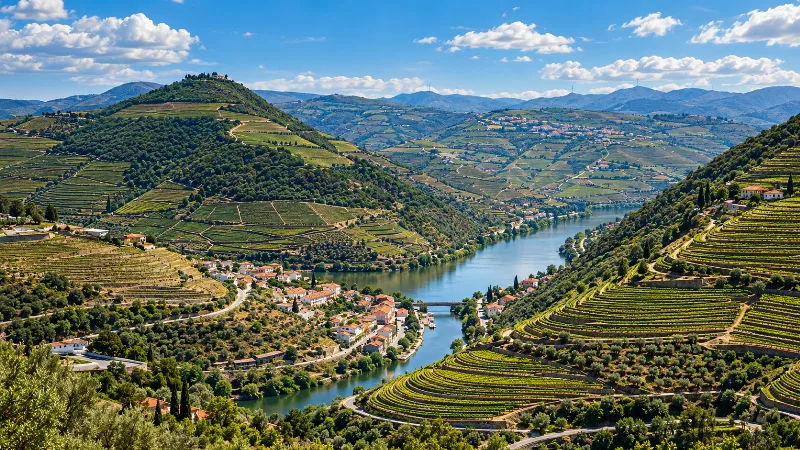
Northern Portugal
Explore Porto, the Douro Valley, Braga, Guimarães, Peneda-Gerês and the green landscapes, food traditions and historic cities of northern Portugal.
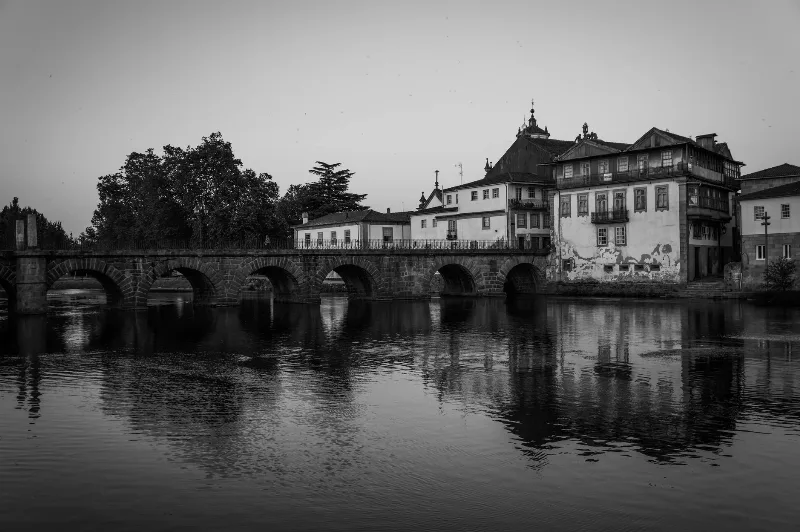
Chaves
Chaves is a granite town in Portugal's far north-east, built above the river Tâmega and shaped by Roman settlement, thermal water and centuries of frontier life. Its old bridge, castle keep and spa quarter give the place a character unlike anywhere else in Trás-os-Montes.
Serra da Estrela Granite Landscape and Glacial Valley
The highest ground in mainland Portugal is a weathered granite massif where ice once carved cirques, trough valleys and moraines. The Zêzere valley preserves some of the clearest glacial scenery in the country.