
Paiva Walkways – Wooden Paths through a River Valley
The Paiva Walkways follow part of the Paiva River near Arouca, revealing wooded slopes, rocky riverbanks and flowing water.
The Paiva Walkways, or Passadiços do Paiva, follow a section of the Paiva River in the Arouca area of northern Portugal. Wooden paths and stairways provide a structured way to experience a valley of steep slopes, exposed rock and flowing water. The attraction is centred on walking through the landscape rather than reaching one isolated viewpoint. For visitors based in Porto or exploring the interior, it can form the main activity of a dedicated day trip. The established route runs between the Areinho and Espiunca areas and is approximately eight kilometres long. Its character changes as the river passes through narrower and more open sections of the valley. In some places the water is close to the path; elsewhere the walkway rises above it, revealing a wider view of the slopes. This variation gives the walk a sense of progression, with the river remaining the common thread throughout. Allow time to stop where the path provides suitable space. Details such as layered rock, vegetation along the water and the movement of the current are easy to overlook when concentrating only on completing the distance. A camera can record both the broad valley and smaller features along the way. Binoculars may add interest for visitors who enjoy observing wildlife, although any sighting is a possibility rather than a promised part of the route. The walk includes stairs and changes in level, so distance alone does not describe the effort involved. Before choosing a direction, consider the terrain, your group’s pace and how you will reach the starting point afterwards. A linear route requires a return plan: either transport between the ends or enough time and energy to retrace the walk. Travellers who prefer to spend more time observing the landscape should allow a larger margin than a simple distance calculation suggests. Spring and autumn often suit a walking-focused itinerary, while summer makes an early start and a deliberate pace attractive options. In wetter periods, the river may look quite different from its summer appearance. Conditions can also affect access, so confirm the current route status and entry arrangements through the official walkway information before travelling. Treat any published walking time as a guide rather than a target, particularly when visiting with children or stopping frequently for photographs. Arouca is the most useful local reference point for organising the visit. From Porto, the journey involves heading inland, followed by smaller roads to the chosen entrance. A car, arranged transfer or organised excursion can simplify reaching the trailhead and coordinating the return. If travelling independently, decide where you will finish before setting out rather than leaving transport arrangements until the end of the walk. Bring what you need for the walking portion of the day instead of assuming frequent services along the route. The surrounding Arouca Geopark offers other landscapes and geological interests for a longer stay. The 516 Arouca suspension bridge is a nearby attraction, but it has its own visit arrangements and should not be assumed to form an automatic part of the walkway experience. Arouca itself provides a useful contrast after time in the valley, with streets to explore and the monastery as a cultural stop. For a single day, prioritise the river walk and add only what fits comfortably around it.
Related content
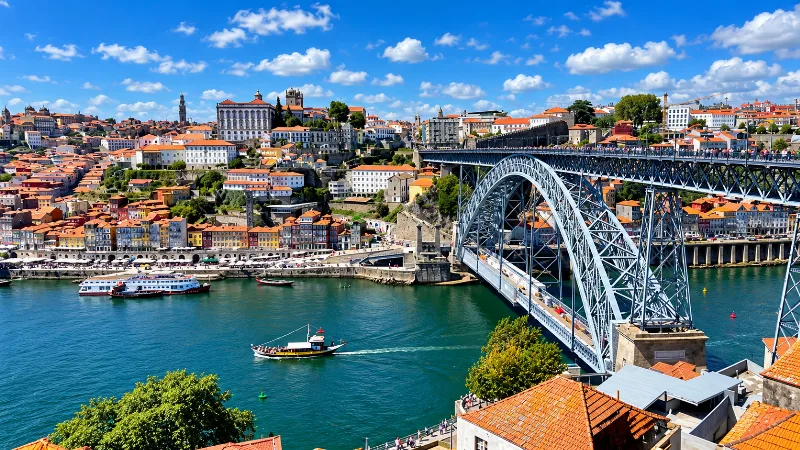
Porto
Porto is a compact northern city of steep streets, granite architecture, riverfront views, historic districts and strong local character.
Furnas Valley Hot Springs and Volcanic Gardens
Furnas occupies the floor of a volcanic caldera on São Miguel, where steam vents, warm mineral springs and dense gardens shape daily life. The valley combines active geothermal features with botanical collections and a crater lake.
Vinho Verde and the Lima Valley Vineyards
The Vinho Verde region of north-west Portugal is defined by granite ground, Atlantic rain and densely planted vineyards. The Lima valley, one of its sub-regions, shows how landscape and local tradition shape the wines.
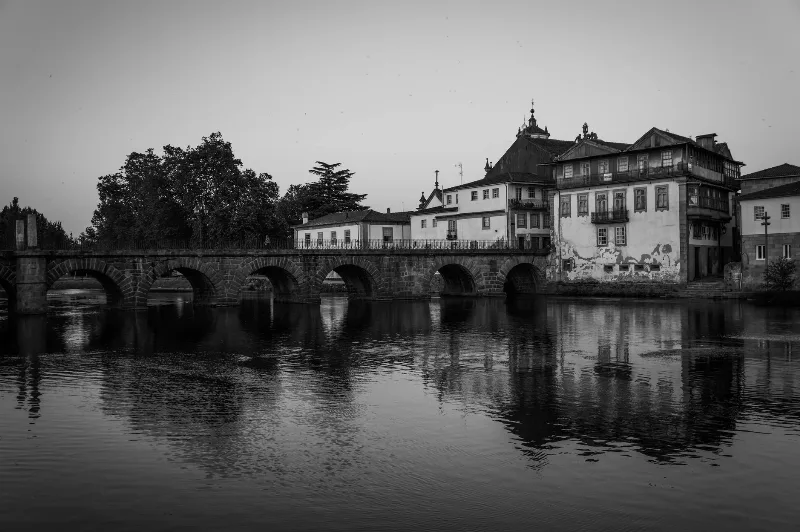
Chaves
Chaves is a granite town in Portugal's far north-east, built above the river Tâmega and shaped by Roman settlement, thermal water and centuries of frontier life. Its old bridge, castle keep and spa quarter give the place a character unlike anywhere else in Trás-os-Montes.
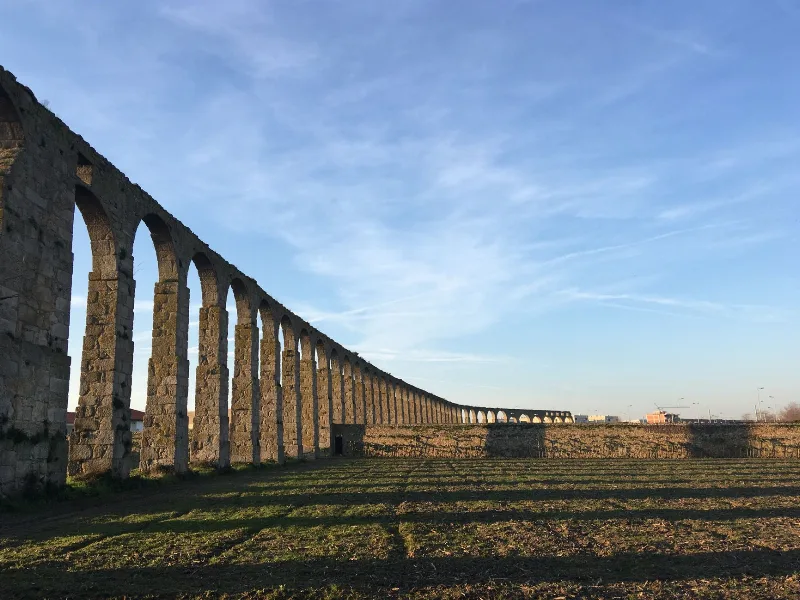
Vila do Conde
A working coastal town at the mouth of the Ave in northern Portugal, known for its shipbuilding past, its lace makers and the great convent and aqueduct of Santa Clara.