
Lamego
Lamego is a historic hill town above the Douro in northern Portugal, known for its baroque pilgrimage sanctuary, medieval remains and long-standing wine trade. This guide covers its geography, architecture, local life and surrounding countryside.
Lamego is a compact city in the Viseu district of northern Portugal, spread over a granite plateau a little inland from the River Douro. It is one of the oldest urban centres in the country, with a skyline shaped by church towers, a hilltop keep and the long staircase of a pilgrimage sanctuary that climbs the slope above the streets. Long associated with wine, the town now serves both as a working administrative centre and as a base for exploring the terraced vineyards of the Douro Valley.
Location and general character
The city stands at roughly 500 metres above sea level, on uneven ground that falls away towards the north and west. The municipality covers a wide rural area of small parishes, scattered hamlets, olive groves and vineyards, and has a population of around 25,000, a fair share of whom live outside the historic core. Within the centre, life is concentrated along a handful of steep streets and small squares between the cathedral quarter and the sanctuary hill. Lamego feels noticeably quieter and more provincial than Porto, roughly 100 kilometres to the west, yet it retains the institutions of a former episcopal seat: a bishopric, a museum of national importance and a theatre.
History
The settlement was known in antiquity as Lamecum and emerged as a bishopric under the Visigoths by the seventh century, giving it ecclesiastical precedence that long outlasted the period itself. It passed between Muslim and Christian control during the medieval frontier wars and was taken definitively in 1057 by Ferdinand I of León and Castile, great-grandfather of Afonso Henriques. Portuguese tradition holds that a gathering of nobles at Lamego in 1143 acclaimed Afonso Henriques as king and fixed the rules of royal succession; most modern historians treat the account as a much later invention, but the story remains part of the town's identity. The eighteenth century brought prosperity through the production of a quality wine that anticipated the port trade, and the wealth of that period is still visible in the town's religious buildings. The suppression of the religious orders in 1834 curtailed the influence of the many convents that had accumulated here.
Architecture
Lamego's buildings span several centuries and styles within a small area. The cathedral, begun in the twelfth century, combines a Romanesque bell tower with Gothic portals on the main front and Renaissance doorways at the sides; inside, its vaults carry painted cycles attributed to the Italian-trained architect and painter Nicolau Nasoni, and the cloister has arcades from the transition between Gothic and Renaissance. The sanctuary on the hill is the town's great baroque statement, built in granite with carved and gilded retables, and reached by a monumental stairway arranged in flights and landings, decorated with tile panels, statues and fountains. The former episcopal palace, a sober eighteenth-century building aligned with the staircase, now houses the municipal museum. Elsewhere, granite manor houses with carved coats of arms, small chapels and azulejo-clad church interiors reward slow walking.
Natural surroundings
The Douro runs about twelve kilometres north of the city, and the land between is a patchwork of smallholdings, chestnut, olive and almond trees, and vineyards planted on narrow terraces cut into schist. Because Lamego sits where granite gives way to the river's darker rock, the soils and the wines change noticeably within a short distance. The Marão range rises to the north-west and the Montemuro hills lie to the south, framing views from the sanctuary terrace and from the roads that leave town. Spring brings almond blossom and full streams; summer is hot and dry, with haze settling over the river valley in the mornings.
Local culture and everyday life
The year is punctuated by religious observance. Holy Week is marked by processions and by the blessing of flowers and bread, while the great festival of Nossa Senhora dos Remédios runs from late August to 8 September, when the Triumph procession brings heavy floats through the streets on ox-drawn carts. The programme also includes an evening illuminated parade and a flower battle, alongside concerts, fairs and sporting events. Food in the town is plain and regional: roast kid, river trout, smoked ham, and a local round bread snack sold at its own annual fair. Sparkling wine has been made on the edge of the city since the late nineteenth century, using the traditional method of second fermentation in the bottle, and the cellars occupy long granite tunnels that stay cool through the summer.
Notable places
Beyond the sanctuary and the cathedral, the castle on the highest ground preserves a stone keep, a stretch of wall and a vaulted cistern, with wide views over the rooftops. The church of Santa Maria de Almacave, close to the centre, is the oldest parish temple and retains Romanesque work. The museum holds painting, sculpture, tapestries and goldwork gathered from suppressed convents, including panels associated with the Viseu school. The convent church of Santa Cruz stands on rising ground and looks back across the town. A small archaeological centre and the cistern complete a circuit that can be walked in an afternoon, though the stairways make it strenuous.
Nearby destinations
Peso da Régua, on the Douro, is the natural next stop for river trips and for the wine estates of the valley. South of Lamego, the monasteries of Salzedas and São João de Tarouca and the fortified medieval bridge at Ucanha lie within a short drive. Vila Real, with its formal eighteenth-century garden estate, is roughly half an hour away, and Viseu, the district capital with its own cathedral and museum, is further east. The minor roads along the Douro's south bank are known for their viewpoints over the vineyards, and walking routes in the surrounding hills link the villages that supply the town's markets.
Related content
Viseu
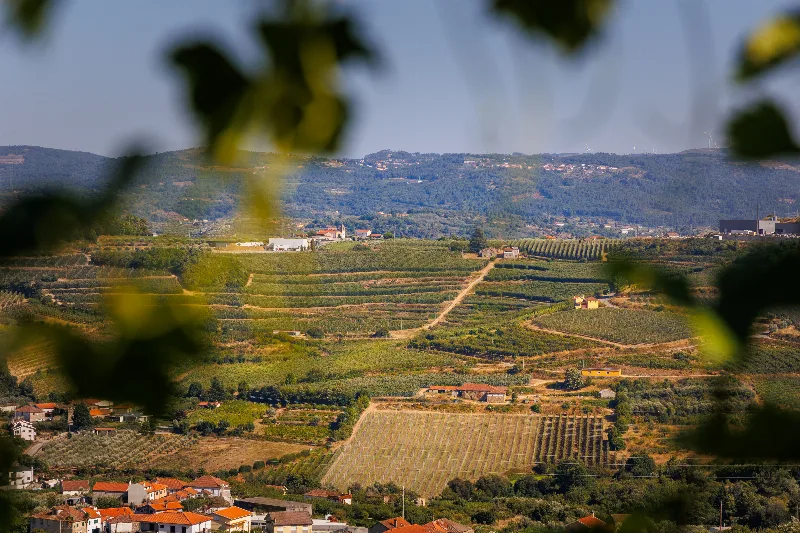
A granite city in the Beira Alta of north-central Portugal, Viseu combines an old cathedral quarter, a national museum devoted to Renaissance painting and a position at the heart of the Dão wine region.
Porto
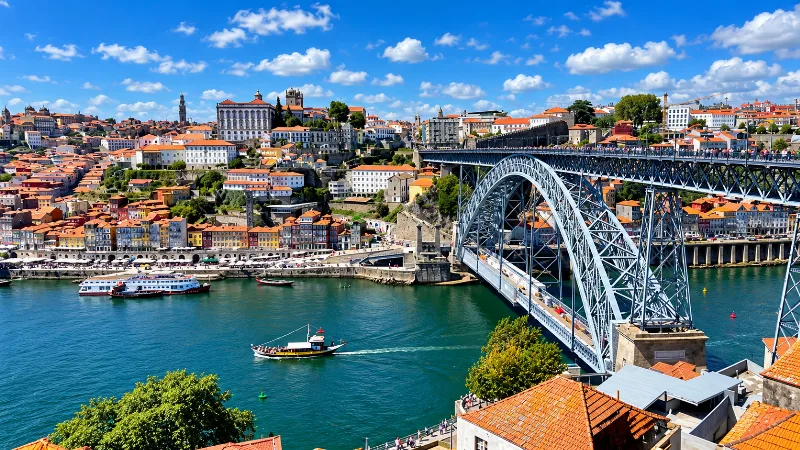
Porto is a compact northern city of steep streets, granite architecture, riverfront views, historic districts and strong local character.
São João
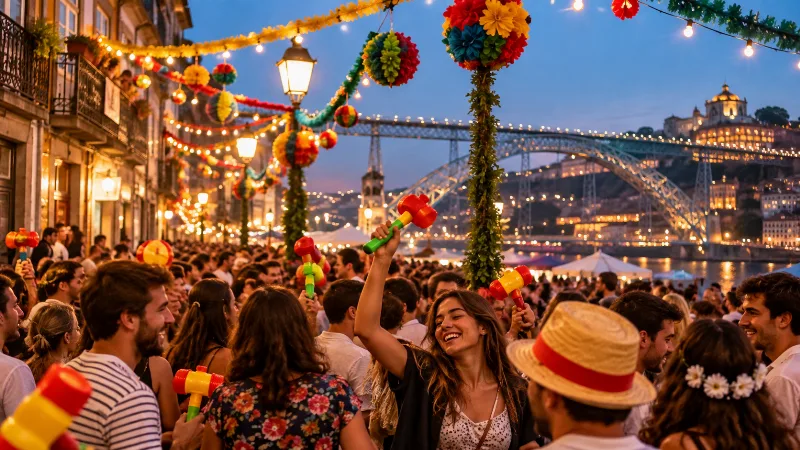
São João is Porto’s major midsummer celebration, filling the city with street gatherings, music, decorations, food, fireworks and long-standing local traditions.
Vila Real
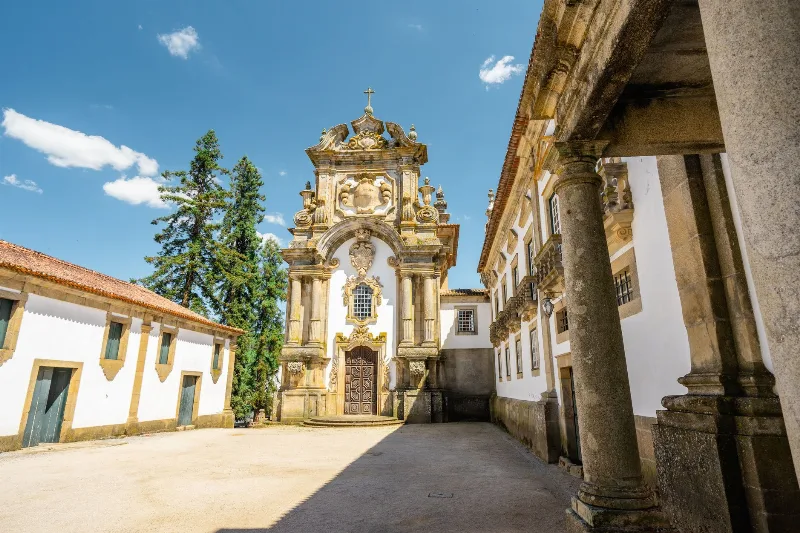
Vila Real is the district capital of northern Portugal's Trás-os-Montes, a granite town set above the Corgo gorge, with a noble old quarter, a university and the Baroque Palace of Mateus a short drive away.
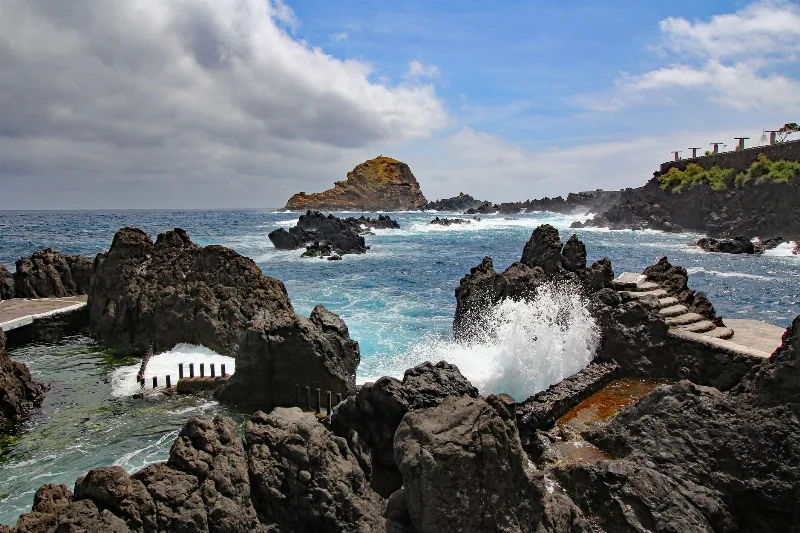
Porto Moniz
Porto Moniz is a small municipality on Madeira's north-west coast, known for seawater pools set in volcanic rock, a working harbour and steep green farmland. This guide covers its history, architecture, natural setting and nearby places.
Porto's Ribeira Waterfront and Historic Bridges
Porto's Ribeira is the old riverside quarter on the north bank of the Douro, a dense grid of arcaded streets and tiled façades watched over by a succession of iron and concrete bridges.