
Nazaré
Nazaré is an Atlantic fishing town known for its broad beach, clifftop Sítio district, maritime traditions and the large winter waves at Praia do Norte.
Nazaré is an Atlantic coastal town in central Portugal, combining a broad sandy beach with fishing traditions and a clifftop district overlooking the bay. Its lower waterfront and elevated Sítio area offer different perspectives on the town, while local food and maritime customs reflect its connection with the sea.
Exploring the Beach and Waterfront
The main beach follows the curve of the bay, backed by a promenade and streets with restaurants, shops and accommodation. Walking inland reveals narrower lanes and everyday businesses beyond the seafront.
Traditional fish-drying practices form part of Nazaré’s cultural identity and can sometimes be seen along the waterfront. These customs connect the present-day town with its fishing heritage.
Visiting Sítio and Its Viewpoints
Above the bay, Sítio brings together squares, religious landmarks and views over the lower town. The sanctuary of Nossa Senhora da Nazaré is one of its principal buildings.
The funicular connects the upper and lower districts when operating. At the Suberco viewpoint, the panorama reveals the relationship between the beach, town and surrounding headland.
The Fort and Praia do Norte
Beyond Sítio, the headland extends towards the Fort of São Miguel Arcanjo and its lighthouse. This area provides another perspective on Nazaré’s Atlantic setting.
Nearby Praia do Norte is internationally associated with very large waves influenced by the offshore Nazaré Canyon. These waves occur under particular conditions and are not a permanent feature. The beach has a different character from the curved bay beside the lower town.
Exploring the Surrounding Region
Nazaré can form part of a wider central Portugal itinerary. Nearby Alcobaça and Batalha offer major architectural visits, each suited to a separately planned excursion.
South of Nazaré, São Martinho do Porto introduces another coastal landscape. Combining selected nearby stops allows time to experience both the coast and the region’s historic towns.
Getting There and Choosing a Base
Coach and road connections provide access to Nazaré, while the lower centre can be explored on foot. Allow additional time to move between the waterfront and Sítio.
Accommodation location shapes the visit: staying near the beach places the promenade and lower streets nearby, while Sítio offers an elevated setting close to its squares and viewpoints.
Related content
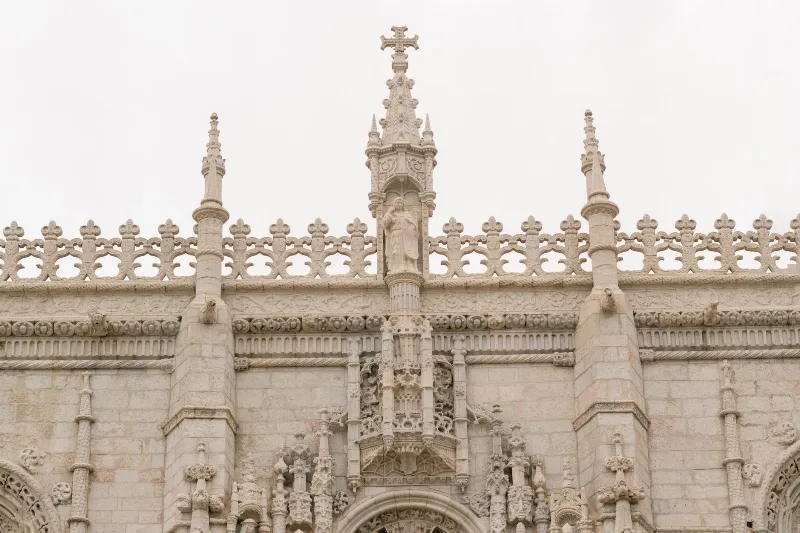
Alcobaça
A small town in central Portugal that grew up around one of Europe's best-preserved Cistercian abbeys, with a medieval monastic complex at its heart and a valley of orchards beyond it.
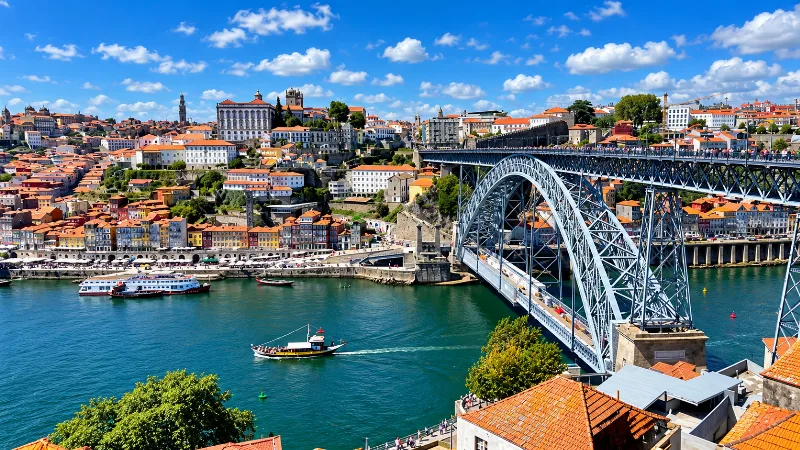
Porto
Porto is a compact northern city of steep streets, granite architecture, riverfront views, historic districts and strong local character.
Alcobaça Monastery and its Gothic Tombs
Founded by Portugal's first king and built over more than a century, the Cistercian monastery of Alcobaça shelters the country's most celebrated medieval tombs, carved for Pedro I and Inês de Castro.
Batalha Monastery and Manueline Architecture
Batalha Monastery in central Portugal was founded to commemorate a medieval victory and became a showcase of late Gothic ambition and Manueline stone carving.
Nazaré's Sítio Cliff and Fishing Quarter
Nazaré is built on two levels: a working fishing quarter beside the Atlantic and, high above it, the clifftop district of Sítio with its sanctuary, viewpoints and long sea views.
Things to Do in Nazaré
Explore things to do in nazaré with a practical guide to notable places, regional landscapes, local heritage and travel planning in Portugal.