
Cork in Portuguese Culture
Explore cork oak landscapes, traditional bark harvesting and the use of Portuguese cork in craft, design and everyday products.
Cork connects Portuguese landscapes with a material used around the world. It comes from the outer bark of the cork oak, which can be harvested while the tree remains standing. In Portugal, cork oaks are particularly associated with the south and the montado landscape, linking rural livelihoods with manufacturing, craft and design.
Harvesting Cork Bark
Harvesting requires specialised tools and skilled handling to remove the outer bark while protecting the living tree. The tree gradually develops new bark, allowing harvesting to take place periodically.
The exposed trunk contrasts with the bark remaining on the upper branches, giving recently harvested trees a recognisable appearance. The process depends on the tree’s condition and careful management of the land.
Understanding the Montado Landscape
The montado combines trees with grazing and other agricultural uses. Its character varies between properties, reflecting the relationship between cork production and wider rural activity.
Guided visits can explain how this landscape is managed and how harvesting fits into its working cycle. Use established visitor routes and respect private land when exploring cork-growing areas.
Cork in Everyday Products
Wine stoppers are among cork’s most familiar applications, but the material also appears in flooring, insulation, footwear, bags and household objects. Its light weight and cellular structure contribute to its versatility.
Some products use natural cork pieces, while others contain cork granules formed into composite materials. Their flexibility, appearance and durability depend on how the finished item is made.
Portuguese Craft and Contemporary Design
Cork’s texture gives designers a recognisable surface to work with. Natural variations may remain visible in accessories and decorative objects, while manufactured sheets can create a more uniform finish.
Traditional uses coexist with contemporary applications. Workshops and material displays offer opportunities to see how cork is cut, shaped and combined with other materials.
Choosing and Caring for Cork Items
When buying a cork product, ask about its composition and construction. An item may combine cork with fabric, adhesive, coatings or other components that affect its performance.
Follow the care instructions supplied with the finished product. A coated bag or fabric-backed accessory may require different treatment from an unfinished cork object. Understanding these differences helps connect the material’s natural origins with its everyday use.
Related content
The Cork Oak Woodlands of Alentejo
The cork oak woodlands of Alentejo form a distinctive Portuguese landscape known as the montado, where trees, grazing animals and a nine-year cycle of bark harvesting have shaped the land for centuries.
Grândola
A small Alentejo town in the Setúbal district, Grândola sits between cork oak plains and the wooded hills of the Serra de Grândola, and is bound up with the song that signalled the 1974 revolution.
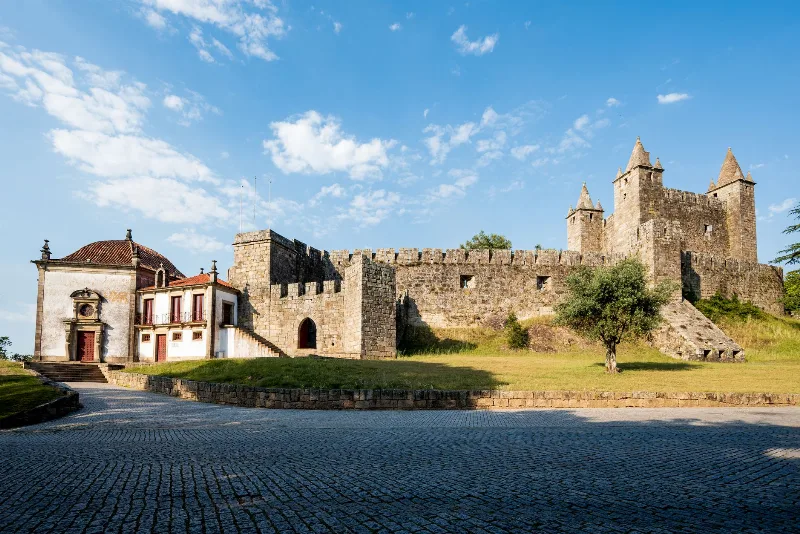
Santa Maria da Feira
A city and municipality in Portugal's Aveiro district, Santa Maria da Feira grew up around a medieval castle and a famous annual fair. It combines a historic centre with a heavily industrialised landscape, cork processing above all.
Alcácer do Sal
A hilltop town above the Sado river in Portugal's Alentejo, Alcácer do Sal combines a walled historic centre with rice fields, salt pans and a long trading past.
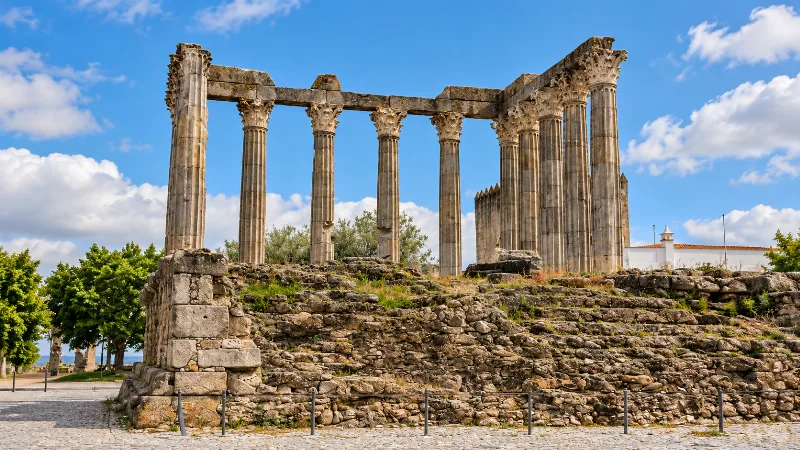
Évora
Évora is a historic Alentejo city of Roman remains, whitewashed streets, medieval walls, churches and a slower inland Portuguese rhythm.
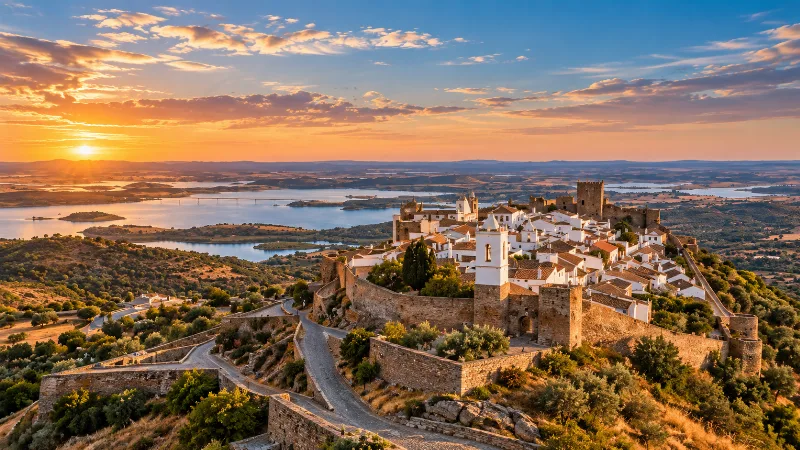
Alentejo
Discover Alentejo through Évora, whitewashed towns, cork-oak landscapes, vineyards, regional food and the broad rural interior of southern Portugal.