
Óbidos Medieval Walls and Whitewashed Streets
Óbidos is a compact walled town in central-west Portugal, known for its medieval defences and whitewashed lanes. This article explores its architecture, streets, viewpoints and surrounding landscape.
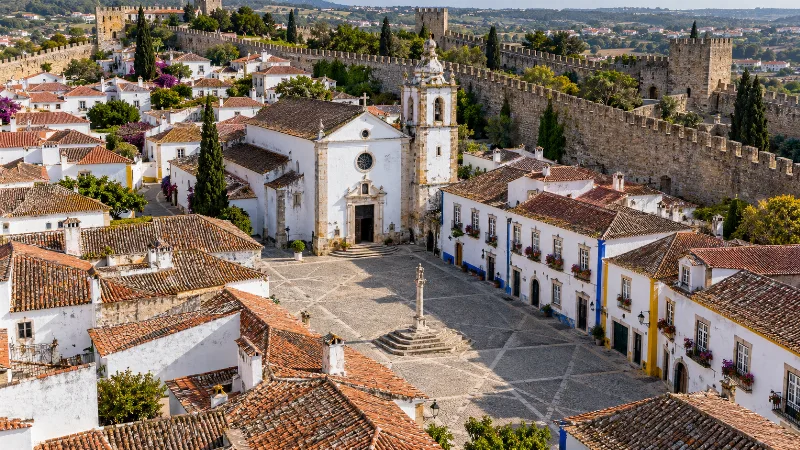
Óbidos is a small historic town in central-west Portugal, set on a low hill a short distance inland from the Atlantic coast. Its most distinctive feature is the continuous ring of medieval walls that encloses the old centre, giving the settlement the appearance of a fortified village. Inside the defences, narrow streets run between whitewashed houses with terracotta roofs, creating a compact and largely pedestrian environment. The town lies in the Oeste region, close to the Óbidos lagoon, and is surrounded by farmland, vineyards and pine woods.
The Medieval Walls of Óbidos
The walls are the defining element of the town. They form a complete circuit around the historic centre, with crenellated battlements, stone gateways and watchtowers that reflect centuries of use and adaptation. The castle stands at the highest point, and the defences are linked to it by sections of wall that follow the shape of the hill. Visitors can walk along part of the wall top, following stone steps and uneven paths; the route gives wide views over the rooftops, the castle and the surrounding countryside. Because the walkway is narrow and irregular in places, it is best suited to those who are comfortable with heights and uneven ground. The walls are not simply a monument: they remain the boundary of a living town, and the way houses press against them is part of Óbidos's character.
Whitewashed Streets and Architecture
Inside the gates, the street pattern is irregular and intimate. Rua Direita is the main axis, running through the centre and linking the main entrance with the castle area. Houses are usually whitewashed, sometimes with blue or yellow trim around windows and doors, and many façades are softened by bougainvillea or potted plants. The Porta da Vila is the best-known entrance, and small squares and stone details appear throughout the centre. The Igreja de Santa Maria is one of the central landmarks, with a richly decorated interior, while the castle dominates the upper part of the town. Architectural details such as Manueline doorways and tiled panels add texture to the streets, but the overall effect is restrained rather than grand.
Views, Surroundings and the Óbidos Lagoon
From the walls, the views extend west towards the Óbidos lagoon and the coastal plain, and east towards hills and farmland. The lagoon is a coastal waterway with salt marshes and dunes, and it supports birdlife and other wildlife. The surrounding countryside includes vineyards, orchards and pine forest, with Atlantic beaches a short distance away. This setting helps to explain the town's historic role as a defended settlement near the coast, and it gives visitors a reason to look beyond the streets. Walking and cycling routes in the area allow the landscape to be appreciated at a slower pace.
Local Traditions and the Character of the Town
Óbidos has long been associated with traditional crafts and local produce. Ginjinha, a sour cherry liqueur, is a well-known local drink, sometimes served in small chocolate cups. Small shops sell ceramics, textiles and other craft work, and the town has a literary connection through its bookshops and cultural events. These elements sit alongside the everyday life of a small Portuguese town rather than replacing it. Walking is the main way to explore, and comfortable shoes are useful on the sloping streets and stone steps. Early morning and late afternoon light are especially effective on the white walls, when the streets are quieter and the texture of the stone is easier to see.
Related content
Óbidos
Óbidos is a walled hilltop town with cobbled lanes, whitewashed houses, a medieval castle and views across the surrounding countryside.
Óbidos
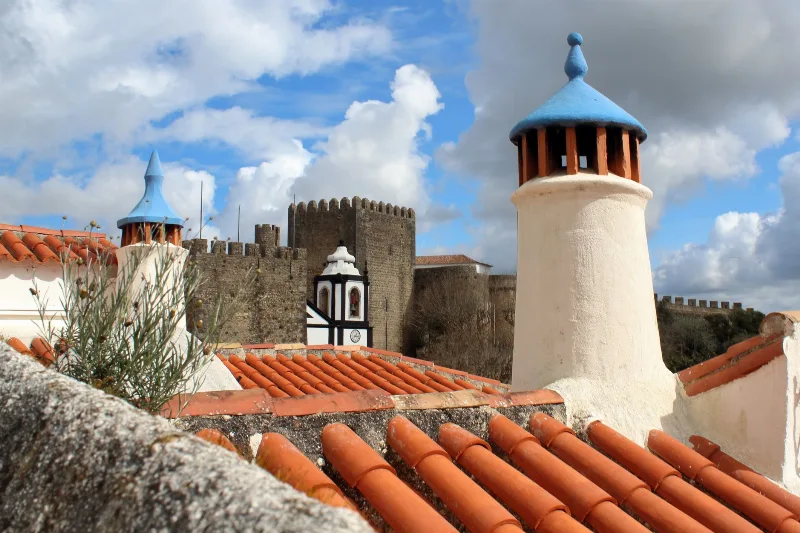
Óbidos is a small walled town in Portugal's Oeste region, built inside an intact medieval circuit of walls around a hilltop castle. Its streets, churches and sour-cherry liqueur tradition make it one of the country's most distinctive historic centres.
Exploring the Medieval Town of Óbidos
Explore exploring the medieval town of óbidos with a practical guide to notable places, regional landscapes, local heritage and travel planning in Portugal
Lagoa de Óbidos and its Atlantic Sandbar
A shallow coastal lagoon in western Portugal, Lagoa de Óbidos is defined by the sandbar that separates it from the Atlantic and by the tidal rhythms that continually reshape it.
Peniche
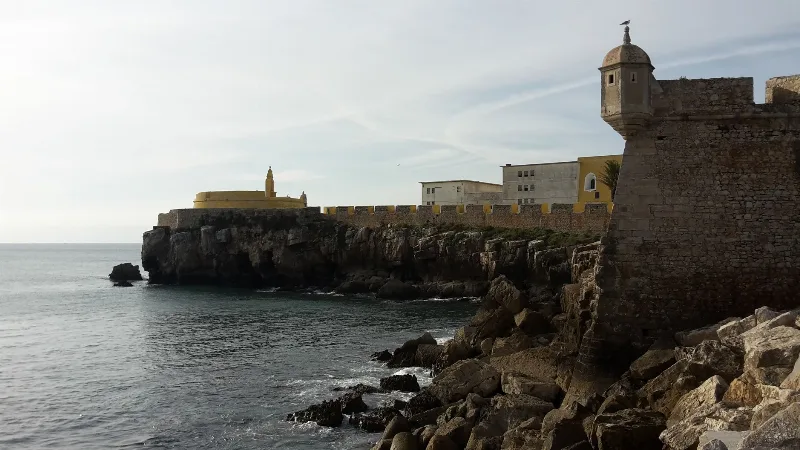
Peniche is a working fishing town on a rocky Atlantic peninsula in central Portugal, enclosed by a fortress that later became a political prison and now houses a national museum. Its cliffs, surf beaches and the offshore Berlengas islands shape daily life as much as the harbour does.
Alcobaça Monastery and its Gothic Tombs
Founded by Portugal's first king and built over more than a century, the Cistercian monastery of Alcobaça shelters the country's most celebrated medieval tombs, carved for Pedro I and Inês de Castro.
Caldas da Rainha
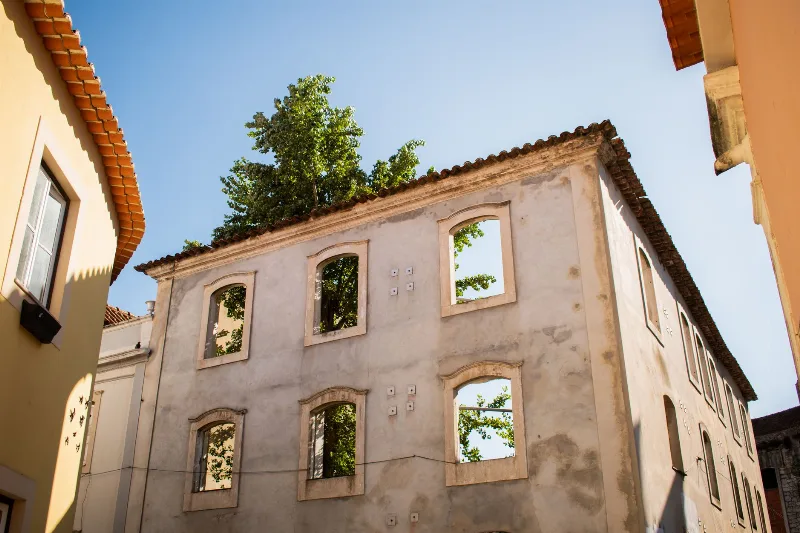
A guide to Caldas da Rainha, the Oeste town built around a fifteenth-century thermal hospital, known for its ceramics workshops, its daily fruit market and its position between the hills and the Atlantic coast.