
Lagoa de Óbidos and its Atlantic Sandbar
A shallow coastal lagoon in western Portugal, Lagoa de Óbidos is defined by the sandbar that separates it from the Atlantic and by the tidal rhythms that continually reshape it.
Lagoa de Óbidos is a broad, shallow lagoon on the Atlantic coast of western Portugal, lying just west of the walled town of Óbidos and within easy reach of Caldas da Rainha. It occupies the low ground between gently rising hills, with the sea close behind a line of dunes. Neither fully inland lake nor open bay, it is a transitional place where fresh water from small rivers meets the tide, and where the landscape changes noticeably from one season to the next.
A lagoon held back by dunes
The lagoon sits in the Oeste region, roughly an hour north of Lisbon, and forms one of the largest coastal lagoons in Portugal. Its western edge is closed off from the ocean by a narrow band of sand and dune vegetation, while its eastern and southern shores are softer, with reed beds, low marsh and patches of cultivated ground. The water is generally shallow, warm in summer and calm enough for beginners on a paddleboard, although wind funnels across it in the afternoons.
Fresh water arrives mainly through the Rio Arnóia and a few smaller channels, while salt water enters from the sea. The balance between the two gives the lagoon its brackish character and supports a mixture of estuarine and freshwater life.
The sandbar that opens and closes
The most distinctive feature of Lagoa de Óbidos is the sandbar, or restinga, that runs along its seaward side. It is not a fixed barrier. Storms, heavy rain and strong tides periodically cut a channel through it near Foz do Arelho, allowing the lagoon to drain and seawater to flow in. At other times, longshore drift pushes sand back across the opening and the lagoon becomes largely enclosed once more.
This cycle has gone on for centuries. Fishermen and local communities have long watched the inlet for signs of change, since the depth and position of the channel affect how water moves through the lagoon. The shifting bar also alters salinity and water levels, which in turn influence which plants and animals thrive in any given year. The result is a dynamic environment rather than a static picture, and visitors returning after a winter often find a shoreline subtly rearranged.
Marsh, reeds and birdlife
Around the margins of the lagoon, salt marsh and reed beds provide cover and feeding grounds for a wide range of birds. Waders probe the mudflats at low water, gulls and terns gather near the inlet, and herons and egrets hunt along the quieter channels. In migration seasons the lagoon becomes a stopover for species travelling between northern Europe and Africa, and the open water occasionally hosts larger visitors such as flamingos.
The vegetation is typical of sheltered coastal wetlands: sea rush, glasswort and other salt-tolerant plants on the lower ground, with tamarisk, pine and scrub on the slightly higher dunes. Careful observation from the edges rewards patience, particularly in the early morning when the surface is still.
Shoreline places and viewpoints
Foz do Arelho, on the western side, is where the lagoon and the ocean come closest. A beach on the lagoon side offers sheltered water, while the Atlantic side is exposed and lively. From the low hills above the village there are wide views across the water towards the dunes and, inland, the wooded ridge crowned by Óbidos castle.
On the southern shore, Bom Sucesso sits among market gardens and sand dunes, with a quieter stretch of water and a nature trail that follows the edge of the marsh. The village of Várzea da Rainha, to the north, lies close to the more rural margins of the lagoon. Óbidos itself, a short drive away, once drew fish and shellfish from these waters, and the lagoon formed part of the town's natural defences.
Walking, cycling and being on the water
Paths and minor roads loop around much of the lagoon, making it well suited to gentle cycling and walking, with regular stopping points for birdwatching. The flat terrain and reliable afternoon breeze have made the lagoon a recognised spot for windsurfing and kitesurfing, while kayaks and paddleboards are common in calmer conditions. Angling continues as a traditional activity in certain areas.
Late afternoon is a particularly rewarding time, when the light softens across the sandbar and the water takes on a pale, silvery tone. Whatever the season, the lagoon is best understood as a working landscape shaped by tide, wind and sediment, where the Atlantic is never far away and the coastline is never quite the same twice.
Related content
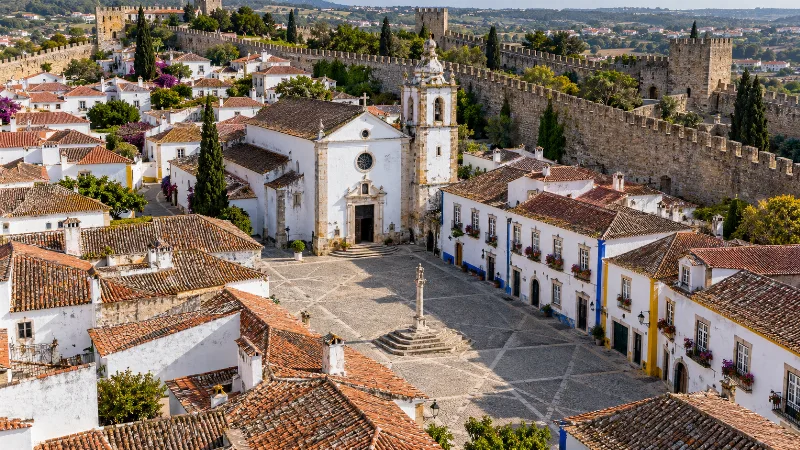
Óbidos
Óbidos is a walled hilltop town with cobbled lanes, whitewashed houses, a medieval castle and views across the surrounding countryside.
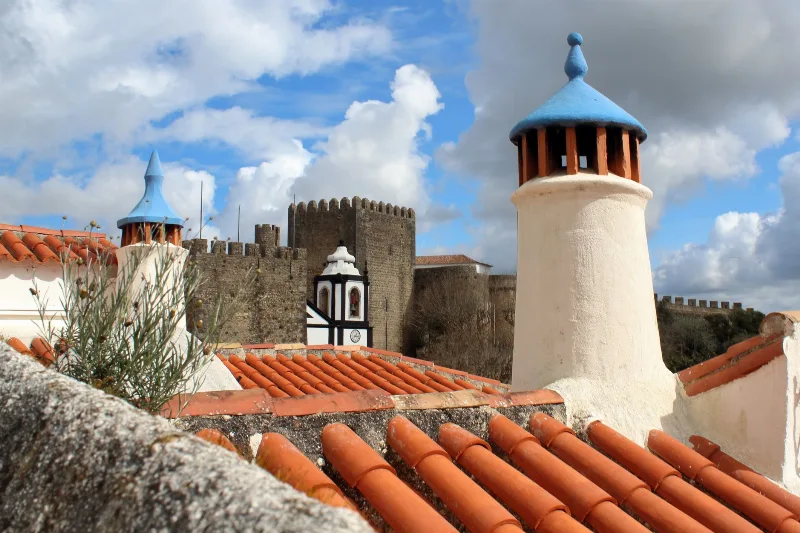
Óbidos
Óbidos is a small walled town in Portugal's Oeste region, built inside an intact medieval circuit of walls around a hilltop castle. Its streets, churches and sour-cherry liqueur tradition make it one of the country's most distinctive historic centres.
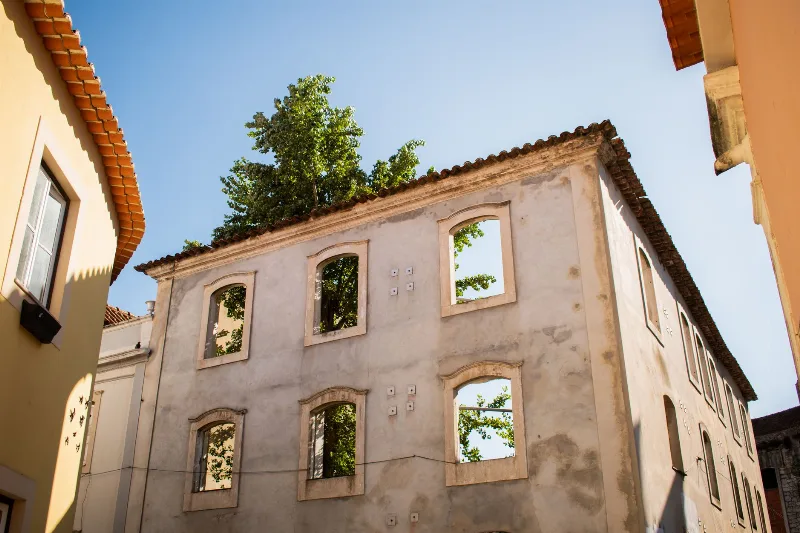
Caldas da Rainha
A guide to Caldas da Rainha, the Oeste town built around a fifteenth-century thermal hospital, known for its ceramics workshops, its daily fruit market and its position between the hills and the Atlantic coast.
Óbidos Medieval Walls and Whitewashed Streets
Óbidos is a compact walled town in central-west Portugal, known for its medieval defences and whitewashed lanes. This article explores its architecture, streets, viewpoints and surrounding landscape.
Exploring the Medieval Town of Óbidos
Explore exploring the medieval town of óbidos with a practical guide to notable places, regional landscapes, local heritage and travel planning in Portugal
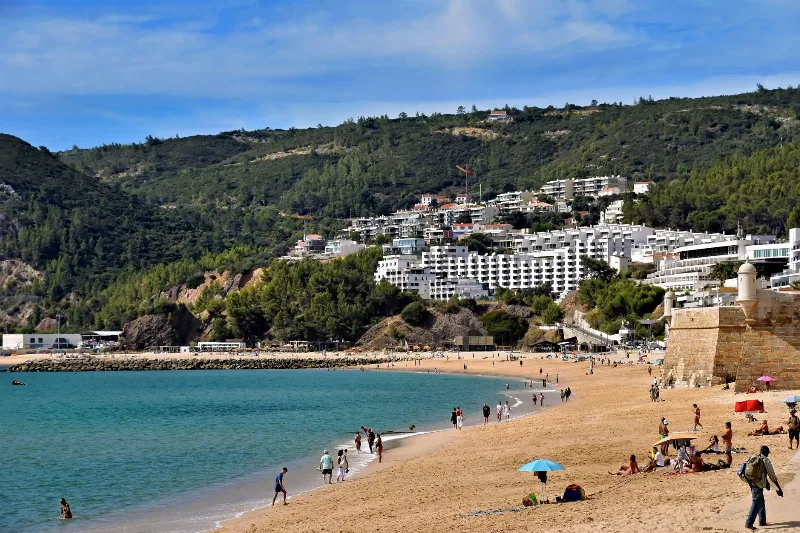
Best Regions to Visit in Portugal
Discover Portugal's most popular travel regions, from the historic cities of Lisbon and Porto to the beaches of Algarve, the countryside of Alentejo and the Atlantic islands.
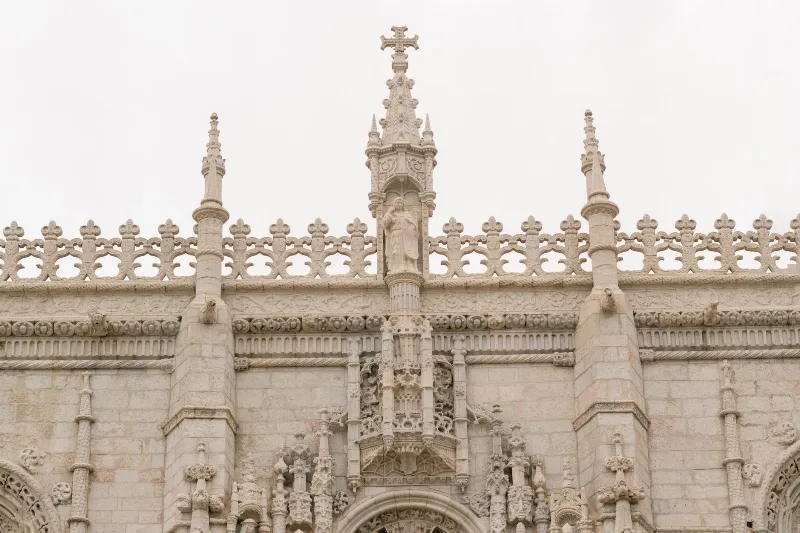
Alcobaça
A small town in central Portugal that grew up around one of Europe's best-preserved Cistercian abbeys, with a medieval monastic complex at its heart and a valley of orchards beyond it.
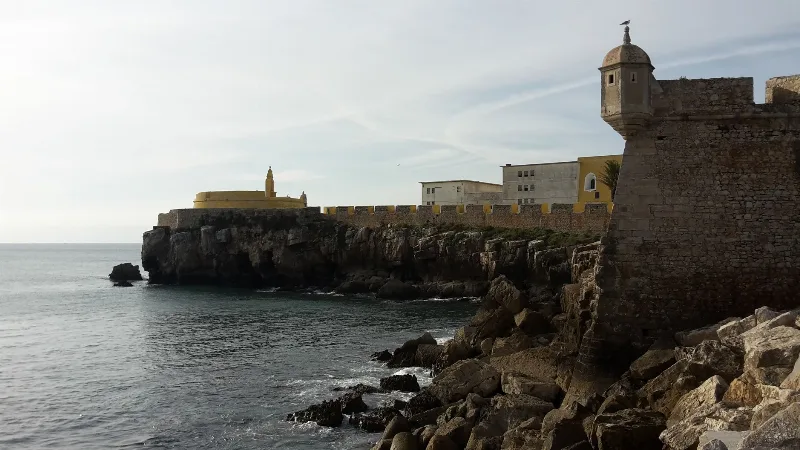
Peniche
Peniche is a working fishing town on a rocky Atlantic peninsula in central Portugal, enclosed by a fortress that later became a political prison and now houses a national museum. Its cliffs, surf beaches and the offshore Berlengas islands shape daily life as much as the harbour does.