
Porto Moniz Natural Pools and Volcanic Coastline
On Madeira's north-western coast, the village of Porto Moniz shelters a cluster of tidal pools carved out of black basalt, where Atlantic water washes into the rock along one of the island's most dramatic shorelines.
Porto Moniz sits on the far north-western corner of Madeira, a small village wedged between steep mountains and a coastline of dark, broken lava. Its best-known feature is a group of natural pools formed within the volcanic rock itself, where seawater washes in from the Atlantic and settles in a series of irregular basins along the shore. The result is a place that feels both wild and inviting: raw geological force on one side, calm saltwater in which to swim on the other.
A Village Built on Basalt
The village takes its name from the Portuguese nobleman who once held these lands, and for centuries it remained one of the most isolated communities on the island. The mountains behind it rise abruptly, and the rough sea in front made overland and maritime access difficult until a coastal road was cut through the cliffs. That isolation shaped the character of the place: a fishing and farming settlement of small whitewashed houses, terraced plots on the slopes and a church looking out over open water. Today the village remains compact and unhurried, with the natural pools as its main draw and the surrounding landscape doing much of the rest.
How the Volcanic Rock Pools Were Formed
The pools owe their shape to ancient lava flows that reached the sea and cooled rapidly, hardening into dark basalt with cracks, hollows and uneven edges. Wave action over many centuries widened and smoothed these depressions, leaving a natural platform of rock that fills and empties with the tide. In places the basins are shallow and warm quickly in the sun; in others they are deeper and hold cooler water. Low walls now tame some of the edges and provide somewhere to sit, but the fundamental structure is geological rather than man-made. Because the water is renewed by the ocean, it stays clear and saline, and small fish, limpets and crabs often share the pools with swimmers.
Swimming in the Atlantic Pools
Bathing here is a different experience from a conventional beach. There is no sand to speak of and no gradual shoreline; you step from rock into saltwater, often with a firm grip on the basalt. The pools vary in depth, which makes them suitable for cautious swimmers and confident ones alike, and the surrounding flat rock provides natural space for sitting in the sun. On calm days the water is glassy and sunlit; when the swell is up, waves break over the outer edge and the whole platform becomes a livelier place. Sea conditions govern everything, so it is worth watching how the tide and swell behave before committing to a swim.
Walking the Volcanic Coastline
The pools are only one part of a shoreline worth exploring on foot. A promenade and paths link the different pool areas with viewpoints over the cliffs, and the lava platform itself rewards slow investigation: blowholes, tide-cut channels, salt-tolerant plants rooting in crevices and the layered textures of the rock. Above the harbour stands an eighteenth-century fortification, now home to a small aquarium devoted to the marine life of Madeira and its wider Atlantic setting. Further along the coast, the valley of Ribeira da Janela opens up towards the high plateau of Paul da Serra, where laurel forest, cloud and waterfalls mark the transition from coast to mountain.
Local Flavours and Everyday Life
Fishing and small-scale farming remain visible in daily routines. Along the harbour you may see catches of limpets and goose barnacles, both gathered from wave-battered rocks and served simply with lemon and garlic. Locally caught fish, particularly the black scabbardfish known as espada, appears on menus alongside flatbreads and sweet potato dishes typical of the island. Terraced fields on the slopes still produce vegetables and fruit, and the village calendar turns around religious festivals and saints' days rather than tourist seasons. These traditions give Porto Moniz a working character that complements its striking setting.
Seasons and Sea Conditions
Spring and early summer often bring clear skies and calm water, when the pools are at their most sheltered. Autumn can be mild and quiet, with the light falling differently across the cliffs. Winter is the season of Atlantic swell, when the coast shows its power and swimming becomes dependent on the day's conditions. Cloud and rain can arrive quickly on this side of the island, so a flexible approach suits visitors: the pools, the paths and the surrounding valleys all offer something worthwhile whatever the weather brings.
Related content
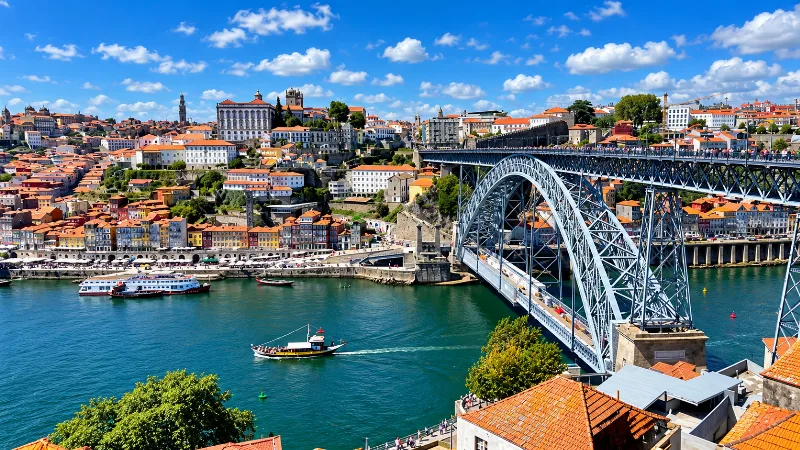
Porto
Porto is a compact northern city of steep streets, granite architecture, riverfront views, historic districts and strong local character.
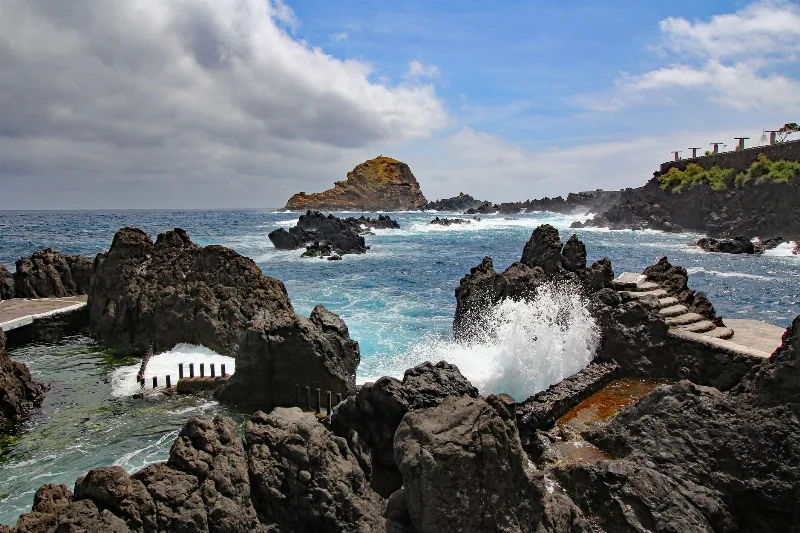
Porto Moniz
Porto Moniz is a small municipality on Madeira's north-west coast, known for seawater pools set in volcanic rock, a working harbour and steep green farmland. This guide covers its history, architecture, natural setting and nearby places.
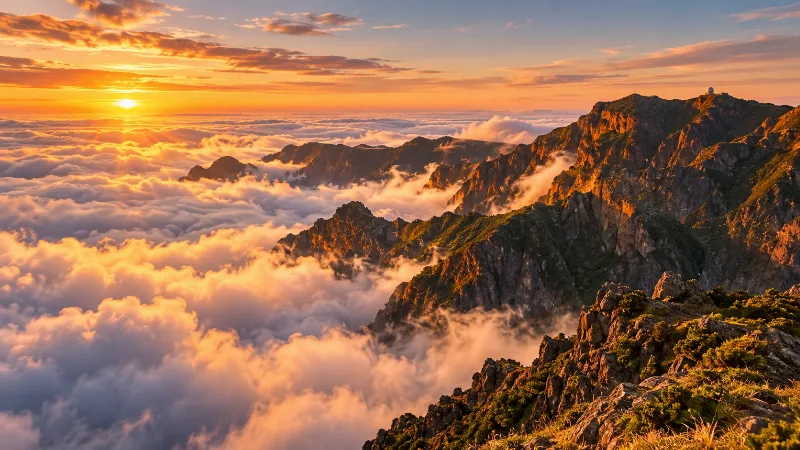
Madeira
Explore Madeira through Funchal, dramatic mountains, levada walks, subtropical gardens, volcanic coastlines and distinctive Atlantic island landscapes.
São Vicente
São Vicente is a small municipality on Madeira's north coast, set in a deep valley beneath steep mountain slopes and known for its lava-tube caves, its basalt parish church and the laurel forest that closes in around the village.
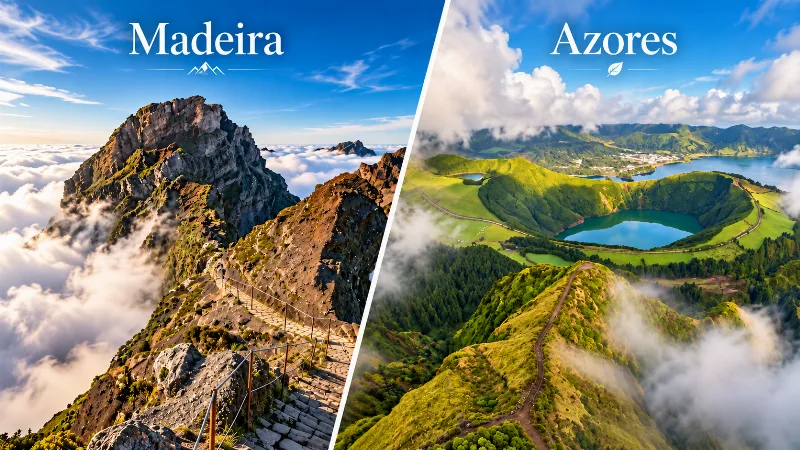
Madeira or Azores: Which Islands Should You Choose?
Madeira and the Azores offer very different Atlantic island experiences, from hiking and volcanic scenery to weather, transport, towns and travel style.
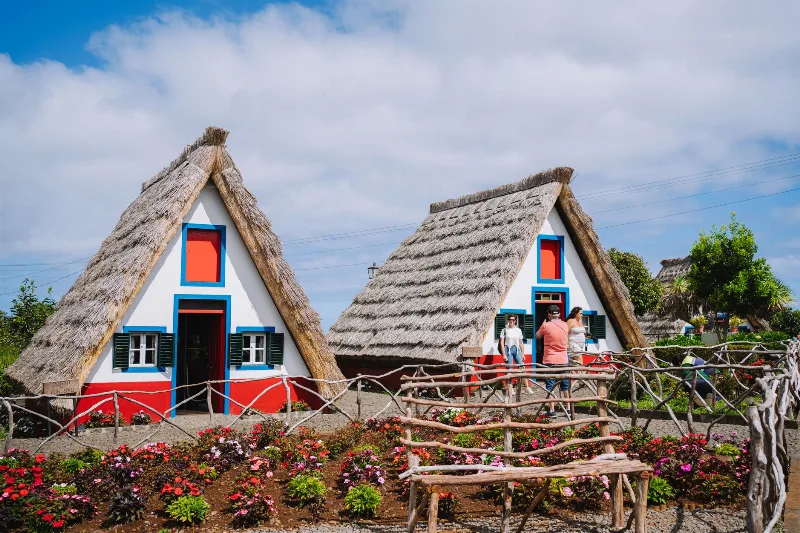
Santana
Santana is a town on Madeira's north coast, known for its steep-roofed thatched houses and for the mountains that rise directly behind it. It is a working Portuguese town rather than a resort, surrounded by terraced fields and laurel forest.
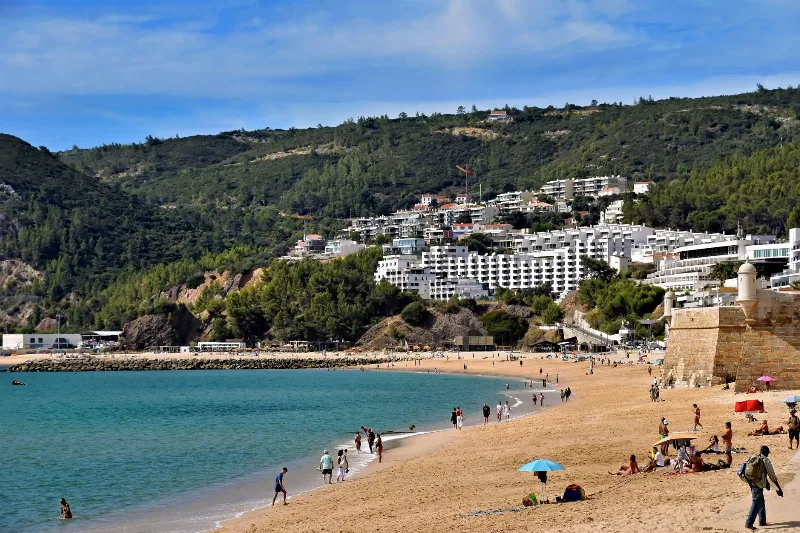
Best Regions to Visit in Portugal
Discover Portugal's most popular travel regions, from the historic cities of Lisbon and Porto to the beaches of Algarve, the countryside of Alentejo and the Atlantic islands.
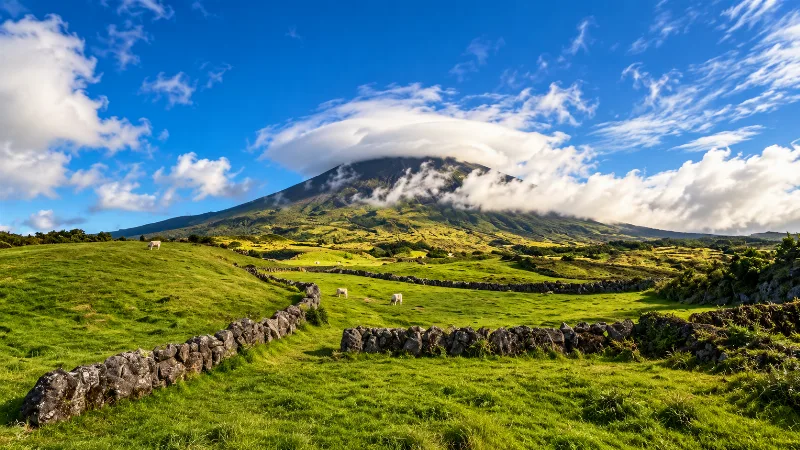
Pico Island
Pico Island combines Portugal’s highest mountain with volcanic coastlines, lava landscapes, vineyards, small settlements and expansive Atlantic scenery.