
Douro International Natural Park – River Cliffs and Border Landscapes
Douro International Natural Park follows stretches of the river along the Spanish border, with steep cliffs, rural plateaus and birdlife.
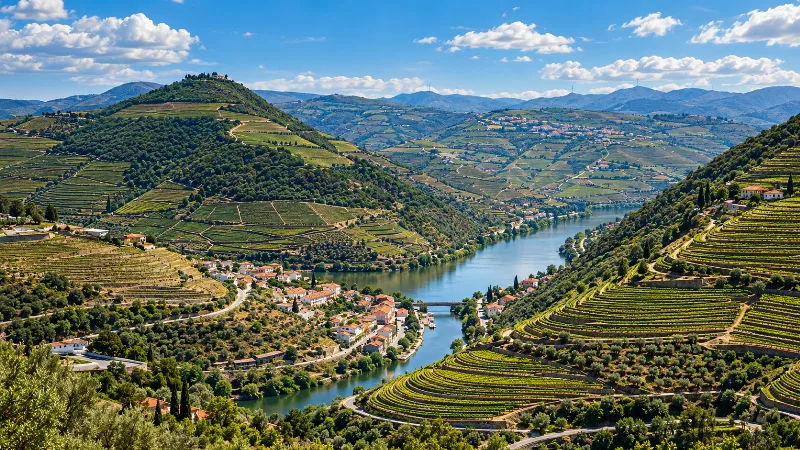
Douro International Natural Park lies in eastern Portugal along the border with Spain, where the Douro cuts through a landscape of deep valleys and high plateaus. This is a different setting from the better-known vineyard scenery farther downstream. Here, the river is often seen far below rocky viewpoints, while villages, fields and open country occupy the surrounding uplands. The park suits travellers who enjoy broad landscapes, rural journeys and time spent observing nature. The river gorge is the main visual feature, but it is not continuously visible from every road. Part of the experience is moving across the plateau before reaching a viewpoint where the valley suddenly opens below. Rather than trying to follow the entire protected area in one day, choose a smaller section around a suitable base. This allows time to appreciate the contrast between the inhabited uplands and the more enclosed river corridor. Birdwatching is one of the park’s characteristic activities. The cliffs provide habitat for large birds, including vultures, and the air above the valley can be as interesting as the river itself. Bring binoculars and allow quiet observation time from a suitable public viewpoint. A specialist guide can help identify distant birds and explain their relationship with the surrounding terrain. It is more useful to plan for patient observation than to arrive with a fixed expectation of seeing a particular species. Walking provides a slower view of the border landscape. Select a marked route that matches your available time and ability, and note whether it remains on the plateau or descends towards the valley. These can be very different outings even when their distances look similar. For a less active day, combine a few viewpoints with a village visit and an unhurried meal. The park does not need to be experienced through a long hike to make sense of its scale. Spring brings fresh growth to the countryside, while late winter and early spring can coincide with almond blossom in parts of the wider region. Autumn provides another useful period for walking and touring between settlements. Summer days are better planned with attention to shade and the timing of outdoor activity, particularly in the exposed interior. Winter offers a quieter atmosphere and a different quality of light, with the day’s route best chosen around local weather rather than a rigid schedule. Miranda do Douro, Mogadouro, Freixo de Espada à Cinta and the Figueira de Castelo Rodrigo area are useful geographical reference points when researching a visit. Their locations serve different sections of the park, so the best base depends on which landscapes you want to explore. A car usually gives the greatest flexibility between rural viewpoints and villages. Travellers using public transport should first establish a connection to a town, then arrange the final local journeys separately. Nearby cultural stops can add variety without changing the focus of the trip. Miranda do Douro provides historic streets close to the northern border landscape, while the village of Castelo Rodrigo offers a hilltop setting farther south. Longer journeys may continue towards other parts of Trás-os-Montes or the Douro region, but these should be treated as separate stages. For a first visit, a compact route with two or three carefully chosen stops leaves more time to understand the river gorge and the country above it.
Related content
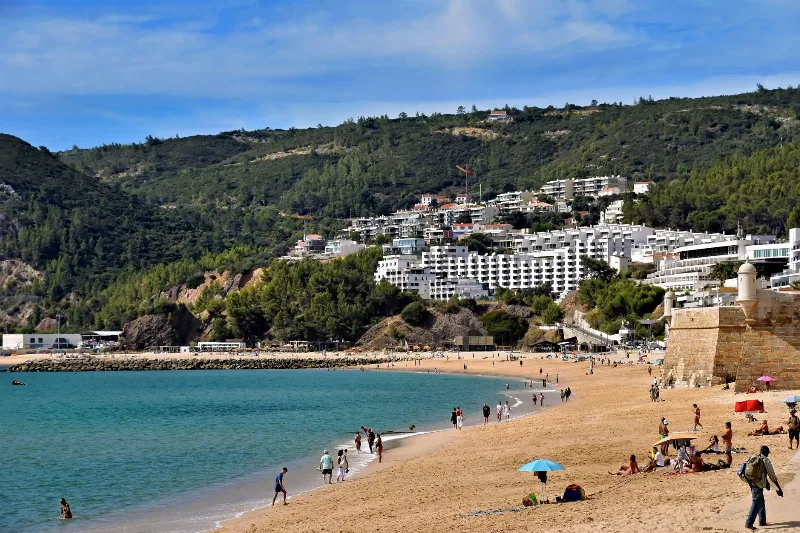
Best Regions to Visit in Portugal
Discover Portugal's most popular travel regions, from the historic cities of Lisbon and Porto to the beaches of Algarve, the countryside of Alentejo and the Atlantic islands.
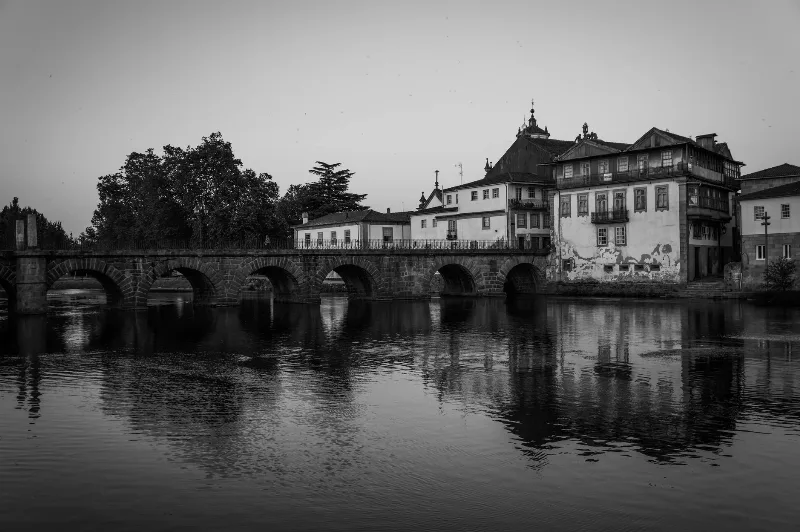
Chaves
Chaves is a granite town in Portugal's far north-east, built above the river Tâmega and shaped by Roman settlement, thermal water and centuries of frontier life. Its old bridge, castle keep and spa quarter give the place a character unlike anywhere else in Trás-os-Montes.
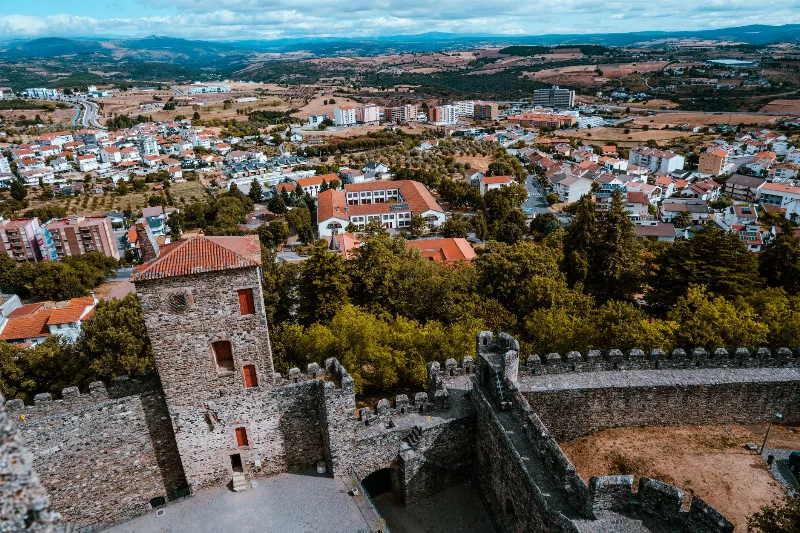
Bragança
Bragança is a granite-built city in north-east Portugal whose walled citadel, medieval castle and Romanesque civic hall stand above the surrounding Trás-os-Montes plateau, close to the Montesinho hills.
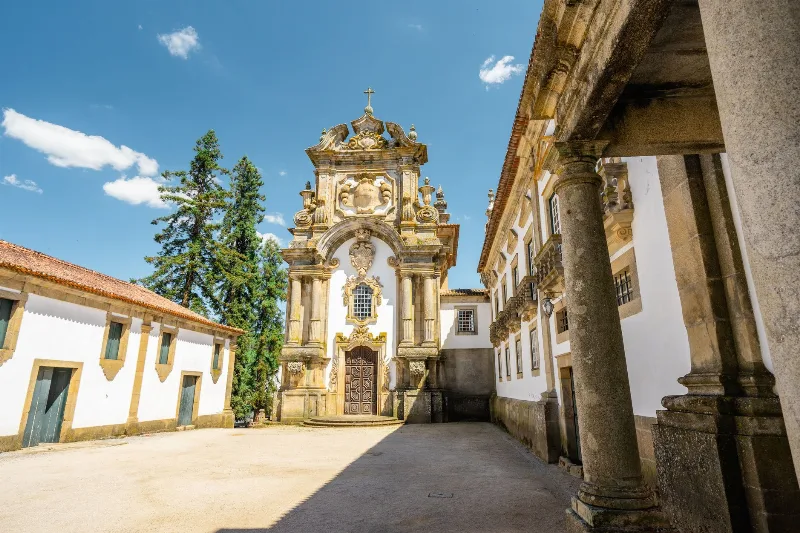
Vila Real
Vila Real is the district capital of northern Portugal's Trás-os-Montes, a granite town set above the Corgo gorge, with a noble old quarter, a university and the Baroque Palace of Mateus a short drive away.
Northern Portugal
Explore Porto, the Douro Valley, Braga, Guimarães, Peneda-Gerês and the green landscapes, food traditions and historic cities of northern Portugal.
The Guadiana River and the Border Landscape near Mértola
The Guadiana carves a deep valley along Portugal's eastern frontier, and the historic town of Mértola rises above it, carrying centuries of Islamic heritage and a landscape protected as a natural park.