
Serra da Estrela Cheese and Mountain Pastures
A soft ewe's cheese from Portugal's highest mountains, Serra da Estrela is set with wild thistle and ripened in cool cellars. Its character owes much to the thin upland pastures and native sheep of the range.
Serra da Estrela cheese is one of Portugal's most recognisable foods: a soft, pale-gold ewe's cheese made in the highlands of the country's tallest mountain range. Its character comes as much from the landscape as from the dairy, shaped by thin upland grazing, a hardy native breed of sheep and a wild thistle that grows in the same hills. The cheese has been made in these mountains for centuries and is still tied to the seasonal rhythms of small-scale farming.
A Cheese Shaped by Altitude
The Serra da Estrela runs across the centre of Portugal and includes the mainland's highest ground, culminating at Torre at 1,993 metres. The landscape is one of rounded granite summits, boulder-strewn slopes, deep valleys and open moorland, with snow occasionally lying on the tops in winter. The protected production area covers the slopes and valleys around towns such as Seia, Gouveia, Manteigas and Celorico da Beira, much of it inside the Parque Natural da Serra da Estrela, established in 1976.
Winters here are cold and wet and summers dry, and the growing season is short. Cereal cultivation is limited, which is one reason sheep farming has long dominated the local economy. The altitude, the poor soils and the distance between villages have all helped to preserve a style of cheese-making that depends on small flocks and handwork rather than on scale.
How Serra da Estrela Cheese Is Made
The cheese is made from raw ewe's milk, traditionally from the Bordaleira Serra da Estrela breed, a small and resilient sheep well suited to walking long distances over rough ground. The milk is filtered and gently warmed rather than heavily pasteurised in the traditional method. Instead of commercial rennet, producers use the dried flowers of the wild cardoon, Cynara cardunculus, steeped in water to create a vegetable coagulant that gives the curd its particular delicacy.
The set curd is ladled into cloths or moulds, drained, pressed by hand, turned several times and dry-salted. Ripening then takes place in cool, humid cellars, often on wooden or stone shelves, where the cheeses develop a thin rind and a soft, spreadable interior. By the rules of the protected name the cheese is matured for at least thirty days; those sold as velho are aged for several months longer, becoming firmer, darker and more pungent.
The Mountain Pastures Behind the Flavour
The flocks graze on high pastures of heather, broom, gorse and wild herbs, moving with the seasons in a pattern of short-distance transhumance that takes them to cooler ground in summer. Shepherds still use simple stone shelters on the upper slopes, and many holdings remain small, with a few dozen animals rather than hundreds. This kind of grazing is laborious and yields modest quantities of milk, but the varied vegetation is widely credited with contributing to the cheese's herbal, slightly tangy aroma.
The pastures themselves are part of the region's natural heritage. Heather moorland, rocky outcrops and small streams provide habitat for reptiles, birds of prey and a range of mountain plants, and walking routes across the plateaus pass close to working grazing land.
Seasons and Highland Life
Traditionally, lambing begins in late autumn and cheese-making is concentrated in winter and early spring, when milk is most plentiful. The cardoon flowers used as coagulant are gathered in summer and dried for the months ahead, a small task that links the cheese to the wild plants of the hills. In villages around the range, markets and agricultural fairs remain the places where the cheeses are most often bought directly, and where the connection between pasture, flock and cellar is easiest to see.
At the Table
Serra da Estrela is at its best served at room temperature, when the paste softens and begins to run beneath the rind. It is commonly eaten with dense rye bread, walnuts or a drizzle of honey, and pairs well with the red wines of the Dão region to the west or with a glass of port. Younger cheeses are mild and buttery; longer-matured ones are assertive enough to hold their own on a cheese board.
A Protected Name
Serra da Estrela cheese has held Protected Designation of Origin status since 1996. The designation sets out where the cheese may be made, which breed supplies the milk and how it must be produced and matured, protecting a method that has passed between generations of mountain families.
Related content
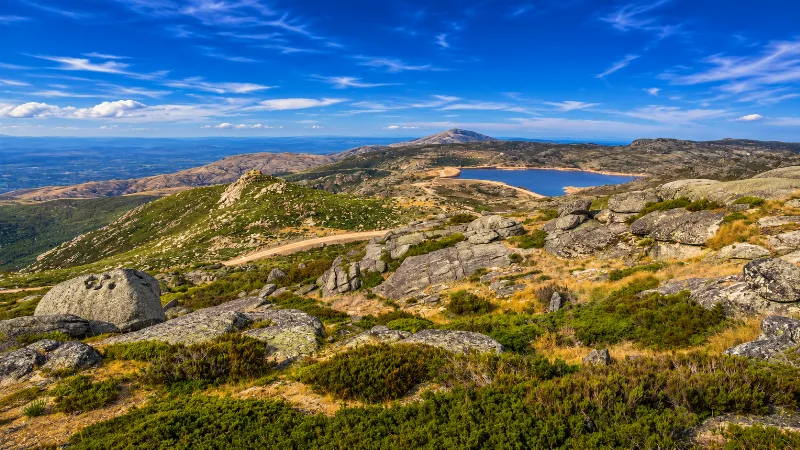
Serra da Estrela
Serra da Estrela is mainland Portugal’s highest mountain range, with granite plateaus, glacial valleys, villages, hiking routes and dramatic seasonal weather.
Serra da Estrela Granite Landscape and Glacial Valley
The highest ground in mainland Portugal is a weathered granite massif where ice once carved cirques, trough valleys and moraines. The Zêzere valley preserves some of the clearest glacial scenery in the country.
The Mondego River Valley from Serra da Estrela to Coimbra
The Mondego is Portugal's longest river to rise and finish entirely within the country, linking the granite heights of Serra da Estrela with the Atlantic at Figueira da Foz. Its valley passes through mountain scenery, wooded gorges, historic towns and a wide agricultural plain.
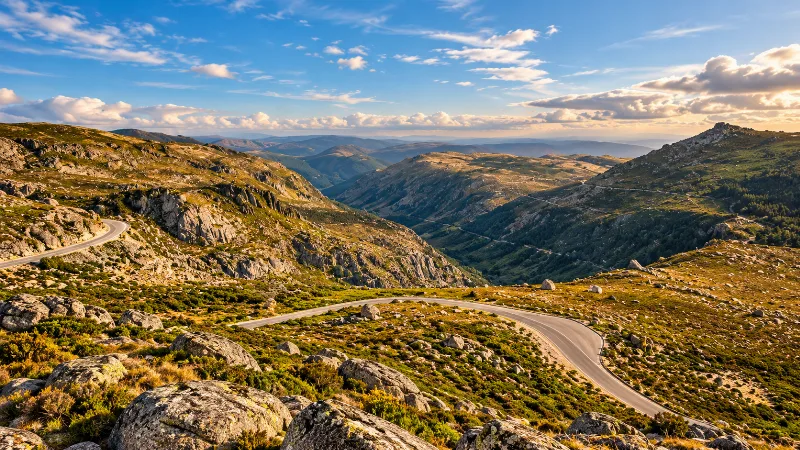
Central Portugal
Discover Coimbra, Aveiro, Serra da Estrela, Atlantic landscapes, mountain villages and the varied historic and natural scenery of central Portugal.
Exploring the Serra da Estrela Mountains
Explore exploring the serra da estrela mountains with a practical guide to notable places, regional landscapes, local heritage and travel planning in Portu
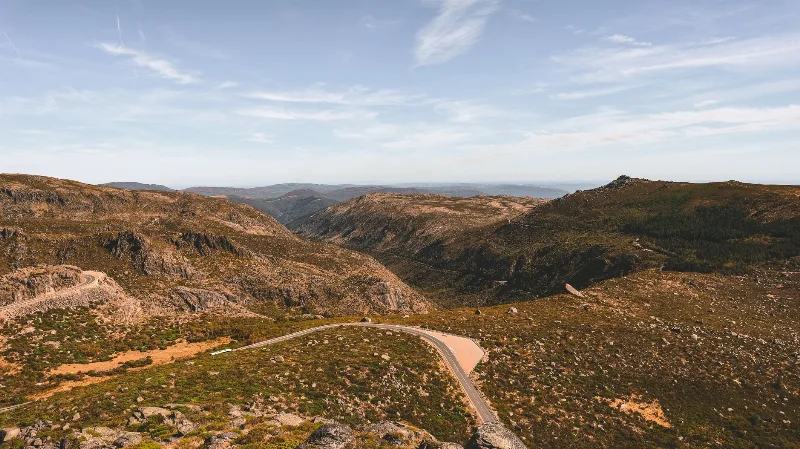
Guarda
Guarda is Portugal's highest city, set on a granite plateau beside the Serra da Estrela. This guide looks at its medieval streets, Gothic cathedral, Jewish heritage and mountain surroundings.
Azeitão Sheep's Cheese and the Setúbal Peninsula
Azeitão cheese is a soft sheep's milk cheese from the villages below the Serra da Arrábida, set with cardoon thistle and made by small dairies on the Setúbal Peninsula.
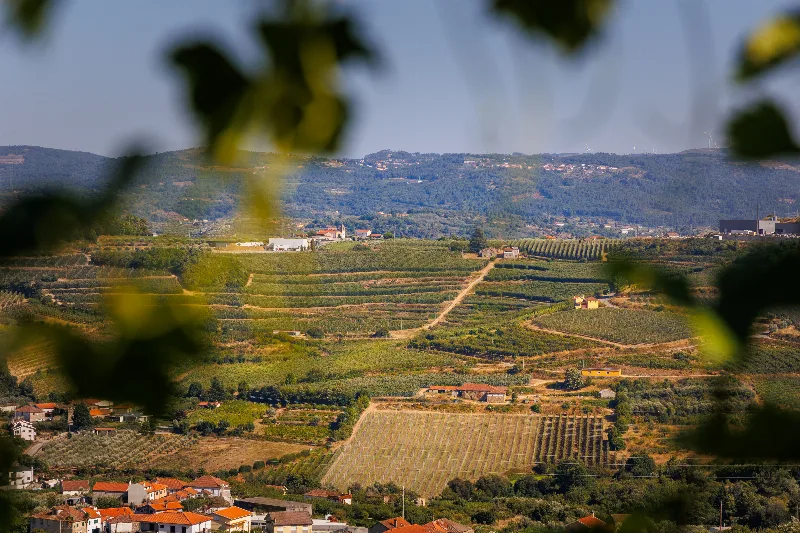
Viseu
A granite city in the Beira Alta of north-central Portugal, Viseu combines an old cathedral quarter, a national museum devoted to Renaissance painting and a position at the heart of the Dão wine region.