
The Alheira Sausage of Mirandela and Smokehouse Methods
Alheira is the smoked bread-and-poultry sausage of Mirandela in Trás-os-Montes, shaped by centuries of local smokehouse tradition. Its unusual history and gentle, savoury character make it one of northern Portugal's most individual foods.
Alheira is one of the most distinctive smoked sausages of northern Portugal, and its heartland is the town of Mirandela, set on the banks of the Tua river in the Trás-os-Montes region. Visitors who expect the dense, pork-heavy sausages common elsewhere in Iberia are often surprised: an alheira is soft and pale inside, bound together with bread and enriched with poultry and game rather than pork. Its dark, wrinkled skin and gently curved, horseshoe-like shape are the work of slow smoking over wood fires, a method that has shaped the local food economy for generations.
A Sausage with an Unusual History
The origin of the alheira is usually traced to the Jewish communities of Portugal in the fifteenth and sixteenth centuries. Families who had been forced to convert to Christianity were under scrutiny from the Inquisition, and the keeping of pork sausages in a smokehouse was a visible sign of conformity. According to local tradition, these families made their own sausages from bread, chicken, duck and game birds, then hung them beside pork chouriços so that the household appeared to follow the customs expected of it. Whether or not every detail of that account can be proven, the story is deeply embedded in the identity of the sausage, and the name itself is linked to the Portuguese word for garlic, one of its most important seasonings.
Ingredients and Preparation
An alheira begins with bread, usually wheat and sometimes rye, which is cooked into a soft mass and combined with olive oil, garlic, salt and paprika. Sweet and smoked paprika both appear, giving the filling a warm colour and a mild, rounded flavour. The meat element is light: chicken and turkey are common, with duck, partridge or other game adding depth in more rustic versions. Some producers include a proportion of pork, while others keep strictly to poultry and game. The mixture is left to rest so that the seasonings settle, then stuffed into a pork casing and tied into the familiar crescent. Because the filling is already cooked before stuffing, the raw sausage is soft to the touch and quite unlike a firm, air-dried chouriço.
Smokehouse Methods in Trás-os-Montes
Smoking is the stage that defines the alheira. Across Trás-os-Montes, families and small producers use fumários, compact stone or brick outbuildings, or simply the wide chimney space above a hearth. Sausages are hung high in the smoke and left for days or weeks, depending on the size of the batch and the weather. The fuel is almost always local hardwood: oak, chestnut and olive, sometimes with vine cuttings or bay. The fire is kept low so that the smoke stays cool, drying the casing and gradually darkening it to a deep mahogany without cooking the filling through. The result is a thin, slightly leathery skin and a gentle smokiness that sits close to the bread rather than overpowering it.
How Alheira Is Served
In Mirandela and throughout the surrounding districts, alheira is an everyday food as well as a festive one. It is most often grilled whole over charcoal until the skin blisters and splits, or sliced and fried in a little olive oil. Boiling is another common method, after which the sausage can be finished on the grill. It appears with turnip greens and boiled potatoes, with rice and beans, or alongside fried eggs as a quick, substantial meal. Because it is smoked rather than cured for long keeping, it should be cooked before eating, but it needs very little time over the heat.
Mirandela and Its Protected Status
The association between the sausage and the town is formal as well as traditional. Alheira de Mirandela carries Protected Geographical Indication status, which sets out where it may be made and the methods used. The surrounding landscape explains much of this: terraced hillsides, olive groves, chestnut woods and small mixed farms that supply the bread, the poultry and the wood for smoking. Mirandela itself is a modest agricultural town, crossed by the old bridge over the Tua, and its markets have long been a meeting point for producers from the villages around it.
Alheira within the Region's Food Culture
Trás-os-Montes is known for its enchidos, the family of smoked and cured sausages that includes chouriço, salpicão and the blood sausage known as butelo, and the alheira belongs naturally to that group. Its place in regional cooking reflects the practical character of the area: a food built from bread and poultry that could be preserved through smoke, stored through the winter and served without fuss. Today it is one of the most recognisable products of northern Portugal, valued for a flavour that is savoury and subtle rather than fierce, and for a history that continues to interest cooks and travellers alike.
Related content
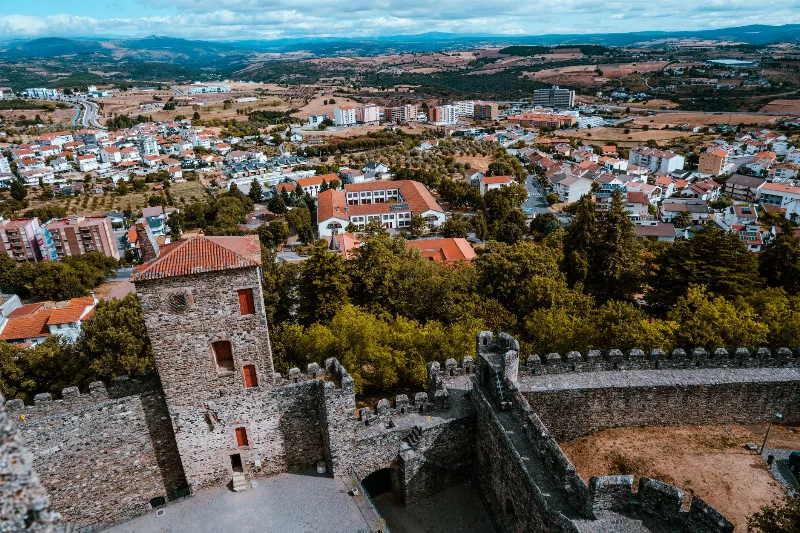
Bragança
Bragança is a granite-built city in north-east Portugal whose walled citadel, medieval castle and Romanesque civic hall stand above the surrounding Trás-os-Montes plateau, close to the Montesinho hills.
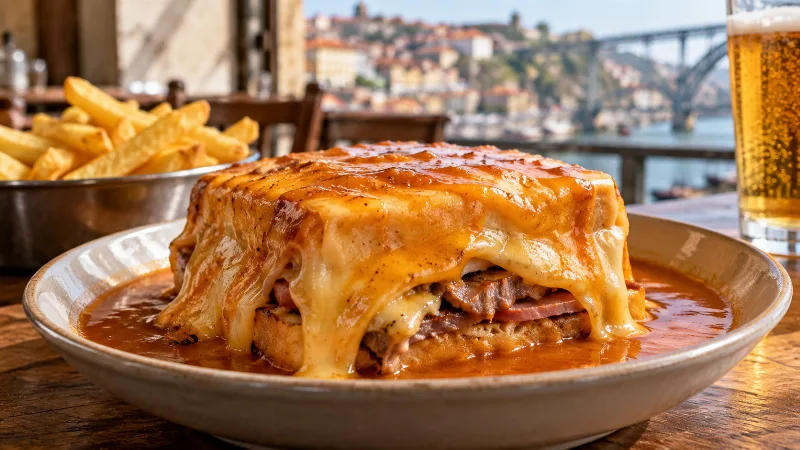
Francesinha
Francesinha is one of Porto’s most distinctive dishes, built around bread, meat, melted cheese and a rich sauce served as a substantial northern Portuguese meal.
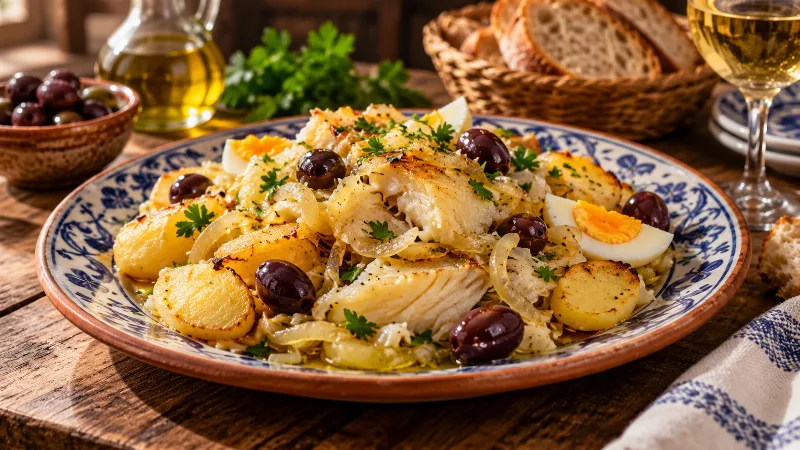
Bacalhau
Bacalhau is one of the foods most closely associated with Portuguese cooking, appearing in home kitchens, traditional recipes and regional variations across the country.
São Jorge Fajãs and the Island's Cheese Pastures
São Jorge's fajãs are fertile coastal terraces beneath dramatic cliffs, while the island's green pastures sustain a long tradition of Azores cheese making.
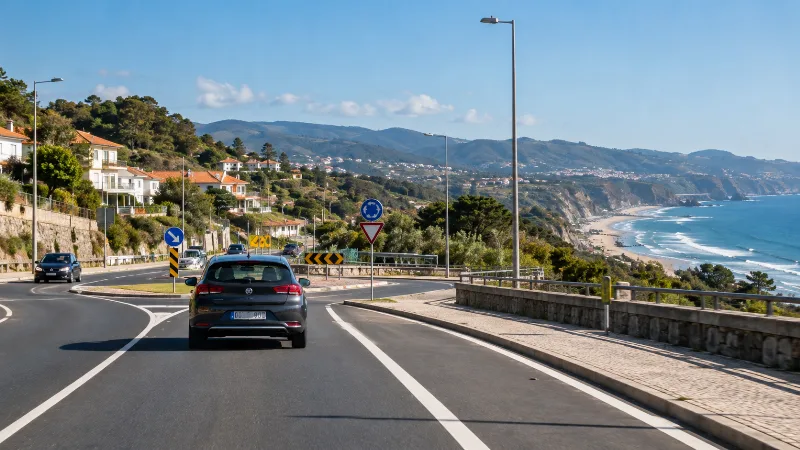
Driving in Portugal: Essential Rules for Visitors
Understand key driving considerations before a Portuguese road journey.
Algar de Benagil – A Natural Sea Cave in the Algarve
Algar de Benagil is a coastal cave near Benagil, known for its large opening in the roof and sculpted limestone interior.
Cozido das Furnas and Azorean Slow Cooking
Cozido das Furnas is a traditional Azorean stew cooked slowly in the geothermal ground of Furnas, on São Miguel. Its preparation links local ingredients, volcanic landscape and community cooking traditions.
Barcelos Rooster and Portuguese Folk Art
The painted clay cockerel from northern Portugal is more than a souvenir: it carries a medieval legend, a living pottery tradition and a widely shared message of good fortune.